Chile’s Guafo Island is poised for permanent protection

© Marcelo Flores / WWF Chile
Fall 2023
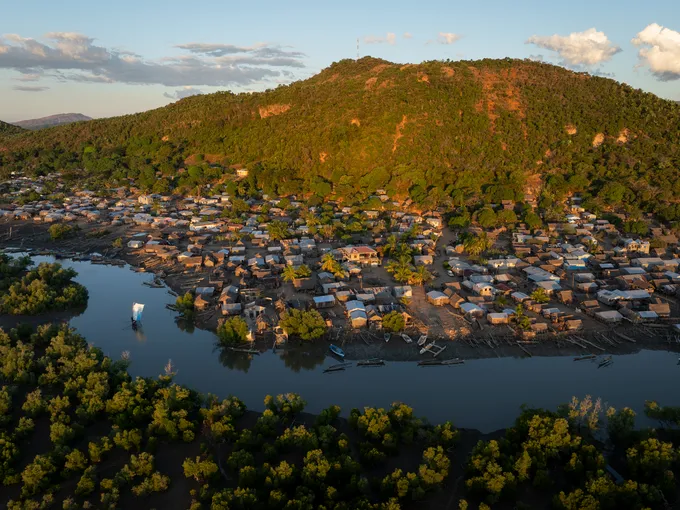
Our Fall 2023 “Holding Fast” feature took readers to the densely forested and uninhabited Guafo Island off the coast of Chilean Patagonia. There, a coalition of Indigenous communities—living on the nearby Quellón (Chiloé) Island—were working to establish a coastal marine space around Guafo that would ensure the continued health of the marine environment while allowing them to sustainably extract necessary resources. Since then, there have been several exciting developments.

© WWF
Community organizing
In 2024, 10 Mapuche Huilliche communities formed the Fundación Wafo Wapi to better organize their work, procure funds, and seek additional support. Foundation staff have trained with WWF to acquire skills such as community-based wildlife monitoring, including the use of drones. While their main goal remains the creation of the coastal marine space, they also organize knowedge-sharing workshops, cultural programming, and Indigenous education.
A future park
A group of donors, including Re:wild (a US-based conservation organization), purchased the majority of Guafo from a private owner in 2025. Its goal: to protect this 83-square-mile island from threats like coal mining and timber harvesting—and ultimately donate the property to the Chilean state for a future national park.
Coastal protections
Indigenous residents of Chiloé envision their role as protectors of Guafo’s marine environment, and WWF is helping strengthen long-running conservation initiatives in the waters surrounding Guafo to support that vision. WWF acts as a convener—connecting communities, other NGOs, local authorities, and local stakeholders to help build trust and advance shared conservation objectives.
What’s at stake
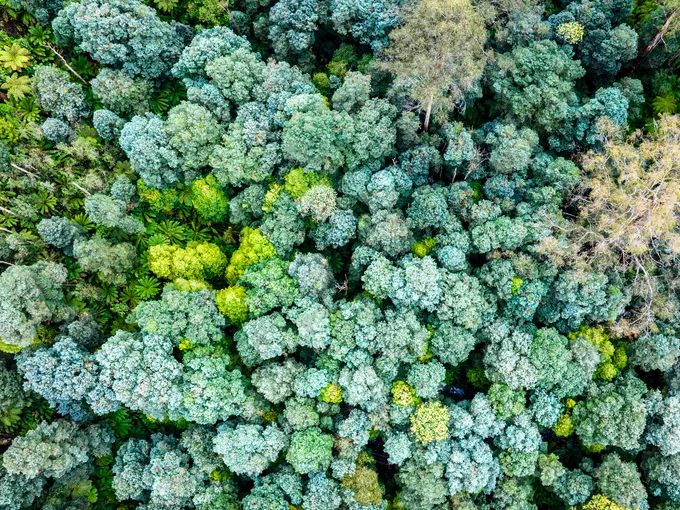
Guafo Island lies at the entrance to the Corcovado Gulf, a highly productive marine ecosystem that’s one of the most important feeding grounds for cetaceans in the southeastern Pacific. The island is also home to significant populations of seabirds, including the world’s largest breeding colony of near-threatened sooty shearwaters. A new park would protect these ecosystems in perpetuity.
© Shutterstock/pmvtisl
Explore more
Keep reading this issue of World Wildlife magazine