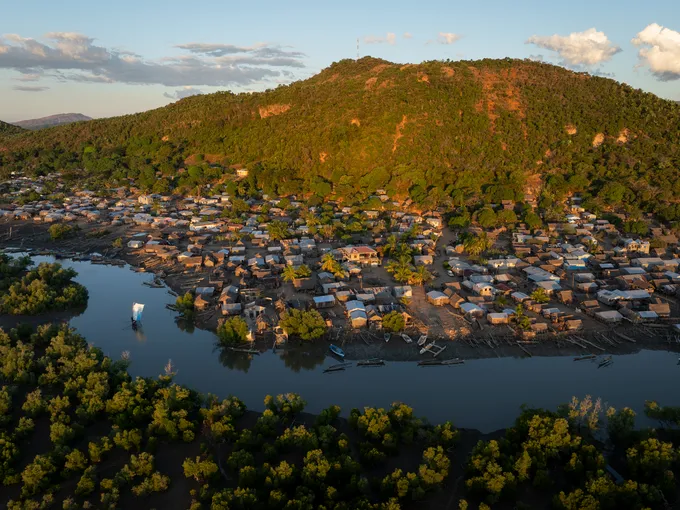
Protecting people by legally protecting mangroves

© Tarina Rodriguez / WWF-US
© Jason Houston / WWF-US; © Jürgen Freund / WWF; © Fritz Pölking / WWF; © istock.com / Pictures Paradise
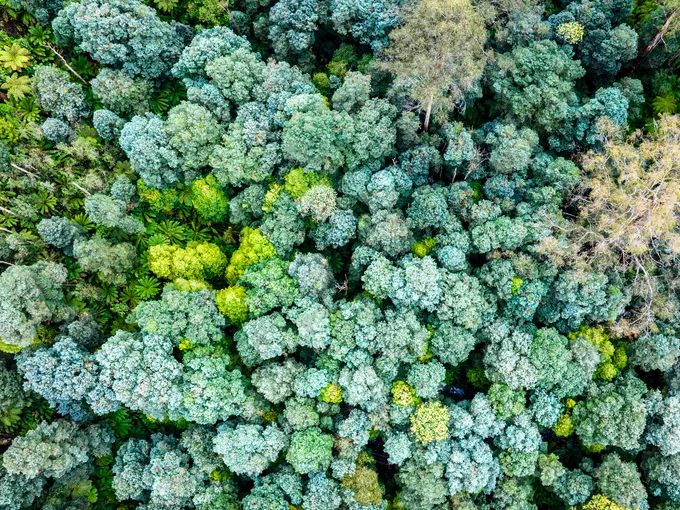
Mangrove forests are among our planet’s most essential ecosystems. They capture carbon, filter water and air, shield shorelines and communities from extreme weather, shelter young marine species, and underpin coastal economies.
But since 1996, roughly half of these ecosystems have been destroyed; without help, they could be gone within a century. In response, WWF and partners in the Global Mangrove Alliance are working together to halt mangrove loss, double the extent of mangroves in protected areas, and restore half of what’s been lost by 2030.
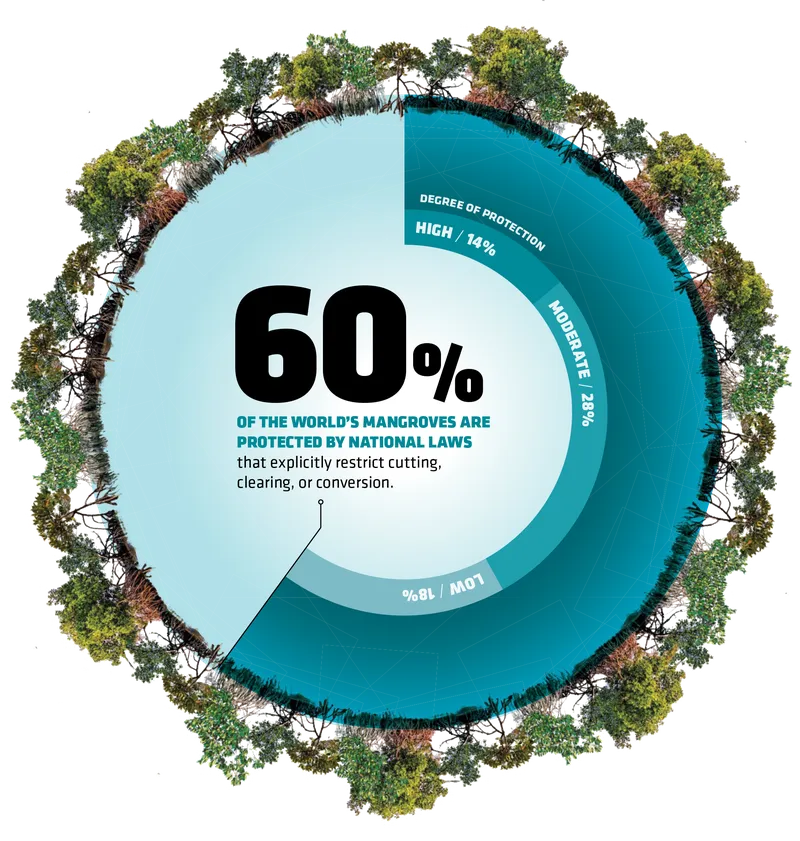
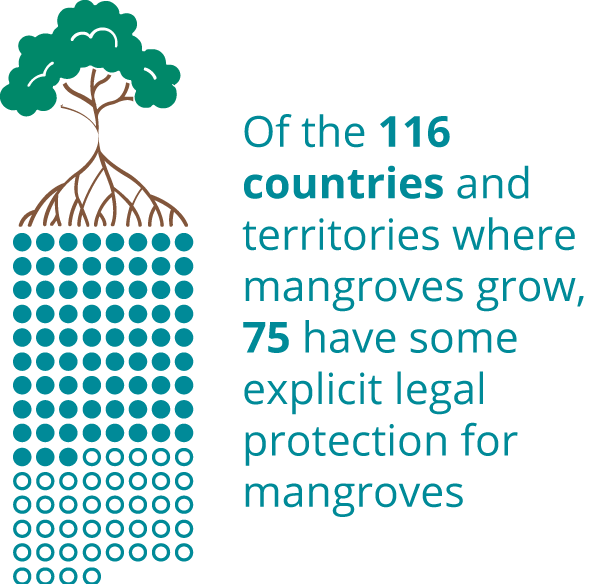
To better understand how mangroves are currently protected by national laws and policies—and to see where gaps remain—the alliance examined legal frameworks for the 116 countries and territories where these coastal forests take root.
What emerged was a hopeful picture: Laws that support mangrove conservation and sustainable use are already widespread globally. And by strengthening and leveraging legal frameworks—including by investing in community-managed areas in countries like Belize and Fiji, for example—the alliance can help accelerate mangrove protection and restoration, delivering benefits for the climate and wildlife while supporting the livelihoods of some 10 million people.

© Shutterstock/pmvtisl
Explore more
Keep reading this issue of World Wildlife magazine