In the Amazon, an Indigenous community invests in ecotourism
The Kumaruara community celebrates its culture and creates new livelihood opportunities

© WWF / Tatiana Cardeal
It wasn’t until Irenilse Batista Sousa researched her roots that she understood what it was to be Kumaruara.
Growing up in Vista Alegre do Capixauã—a village only accessible by the waters of the Brazilian Amazon’s Tapajós River—the now-chief knew her family and the wider community were Indigenous. Yet they had long lost their language and were far removed from their culture, following decades of colonization and decimation of what connected them to their identity.

© WWF / Tatiana Cardeal
“We wanted to value our Indigenous culture,” says Sousa. “And we wanted to go after what is ours and what we have the right to.”
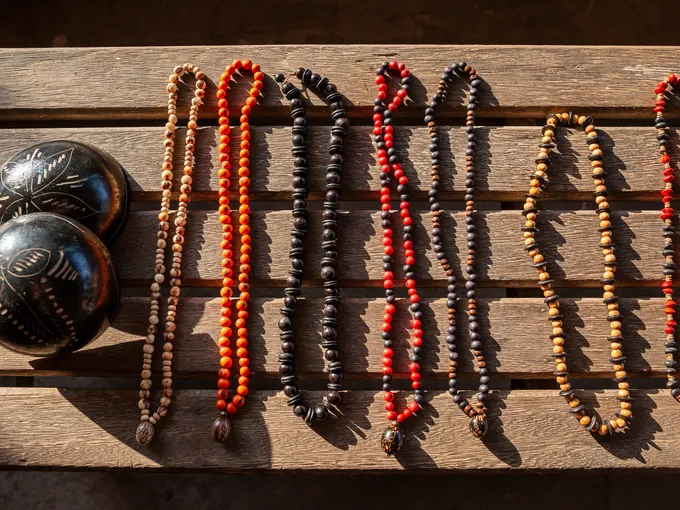
It took three years of speaking with other Kumaruara people from neighboring villages and tracing their own families’ past to confirm what they already knew: They were Kumaruara. From there, they set out to reclaim what they had lost so they could pass it on to future generations and stop it from disappearing again. They learned everything from songs and rituals to body painting to how to make traditional jewelry, bowls, and percussion instruments.
© WWF / Tatiana Cardeal
© WWF / Tatiana Cardeal
Their pride in being Kumaruara grew and, with it, a desire to share their culture with the world. They started welcoming tourists into their community, partnering with guides from the nearby beach town of Alter do Chão, who began bringing visitors downriver to stop by the village of 29 families.
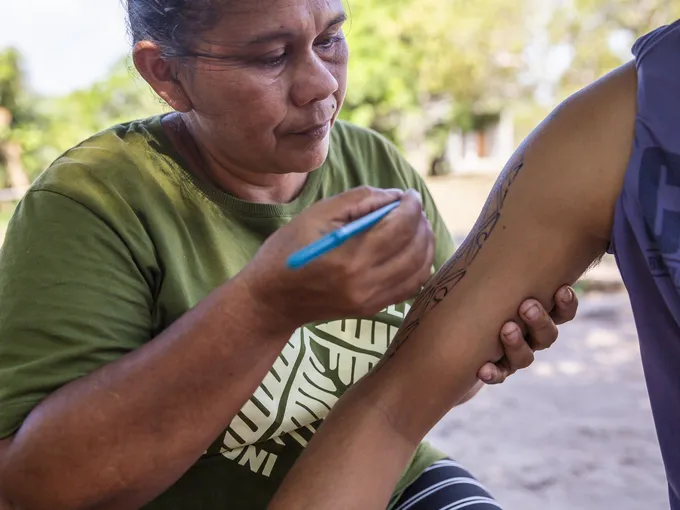
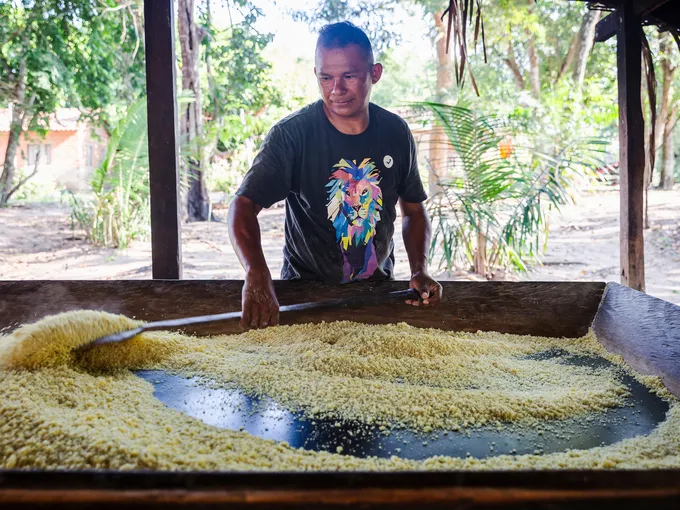
Tourism also allowed the community to diversify its income, which had previously come only from selling manioc flour. Tourists now participate in a range of activities, from forest hikes and canoeing to witnessing traditional dances and rituals and body painting with dye from the jenipapo fruit.
© WWF / Tatiana Cardeal
© WWF / Tatiana Cardeal
Women have been particularly affected by the changes in Vista Alegre do Capixauã, which have provided them with more independence and opportunities for leadership positions. Youth have also benefited, with more reasons to want to stay and build their lives where they grew up.
“We always say to young people, ‘You have to be here by our side because we’re here now, but maybe tomorrow we won’t be,’” says Sousa. “‘Who is going to take care of this village in the future? It’s you. It’s young people.’”
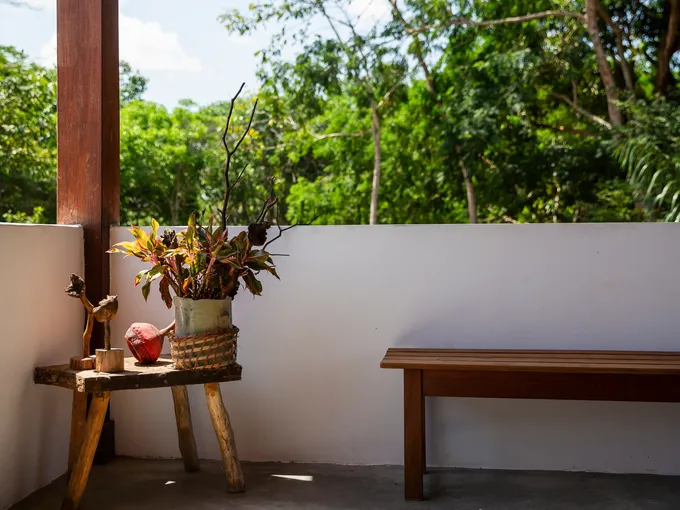
WWF partner Projeto Saúde e Alegria supported the Kumaruara community in construction of a new lodge and trainings in areas such as lodge management and professional kitchen operations. Today, the Kumaruara offer lodging for guests to stay overnight, including a communal hammock room for those who want to bring their own to hang in the circular space, treated water, and reliable internet. Guests are served a traditional lunch with ingredients from their gardens and the river.

© WWF / Tatiana Cardeal