New Amazon connectivity corridor declared in Ecuador
A milestone achievement for people, wildlife, and nature

© Esteban Barrera / CI Equador
In a landmark move for biodiversity conservation and recognition of the essential role of Indigenous territories in protecting nature, the Government of Ecuador has declared the first Amazon connectivity corridor in Ecuador, known as the Palora-Pastaza Connectivity Corridor.
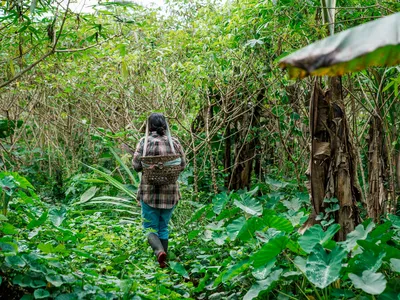
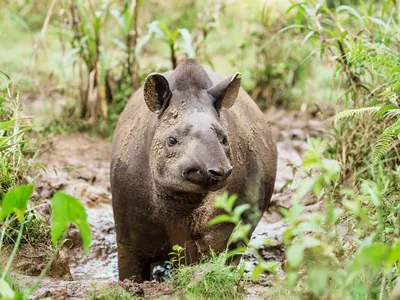
Connectivity corridors, sometimes known as wildlife corridors, allow animals to move freely between designated protected areas. This movement allows them to find food, breed, and establish new home territories. When protected areas are connected, they help people too: supporting clean air, healthy soil and freshwater, and creating livelihoods for Indigenous communities. The Palora-Pastaza Corridor spans nearly 800,00 acres (more than 300,000 ha) of tropical forest. The corridor ensures connectivity between the Sangay National Park and the Indigenous territories of the Shuar, Achuar and Kichwa Indigenous Peoples, in the Palora and Morona Santiago provinces. It supports free movement of iconic and threatened species such as jaguars, tapirs, harpy eagles, Andean bears, and many other species. At the same time, it protects the ecological integrity of one of the most biodiverse regions on the planet.
© Esteban Barrera / CI Equador
© Esteban Barrera / CI Equador
© Esteban Barrera / CI Equador
This official declaration is the result of a collaborative process that started in 2023 and included Ecuador’s Ministry of Environment, Indigenous communities, regional and local governments, conservation organizations, including WWF, Conservation International, and the Global Environment Facility (GEF). It reflects years of joint work to map ecological values, confirm community priorities, and secure this legal recognition.
One pivotal moment of this process was the Free, Prior, and Informed Consultation that allowed Indigenous nationalities and communities to collectively decide whether they wanted to include their territories within the corridor. Together, representatives from Indigenous and local governments, created a committee to ensure a fully effective participatory approach during the design process and beyond. This committee is now an important governance mechanism for the future decision making and management of the corridor.
In the Ecuadoran Amazon, this new pathway is a huge win for wildlife and intact ecosystems. It will play a vital role in the face of climate change and increasing deforestation. The corridor will also create more economic opportunities for its people, as bioeconomy and nature based economic opportunities can flourish cultural and territorial rights are strengthened and there’s access to new investments and partnerships that benefit the region.