Northern Landscape, Madagascar
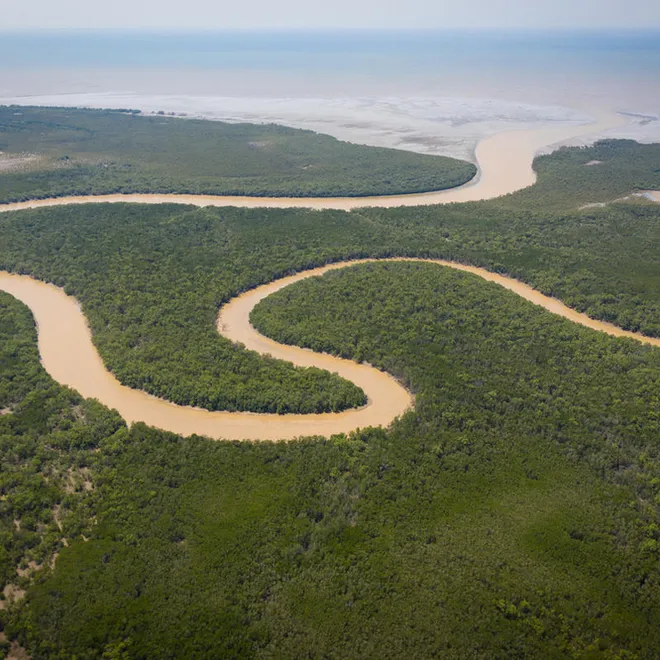
© Nick Riley / WWF-Madagascar
Madagascar’s northern landscape, including all of the Diana region and parts of the Sava and Sofia regions, contains one of the island country’s largest forest blocks. Comprised of rainforests and mangroves, this majestic area forms a natural barrier against the cyclones common to the east of Madagascar.
Home to more than 1 million people, the area’s 4.6 million hectares of diverse ecosystems contain wetlands and savannas. Of the more than 2,281 species identified here, 538 are endemic. Additionally, the forest block is located at the heart of the six great rivers that flow throughout the area, providing several million people with water for drinking and agriculture.
Agricultural expansion, illegal logging, climate change, illegal fishing, and deforestation currently threaten this vital landscape. To achieve a sustainable development model in the region, WWF is focused on an integrated approach to forest protection that combines biodiversity conservation and community development.
Snapshot
-
Produces ~80% of the world's vanilla
-
Home to 2,281 identified species
Five hundred thirty-eight of these species are endemic
-
Provides a natural barrier against cyclones
Massive rainforests and mangroves help protect the landscape.
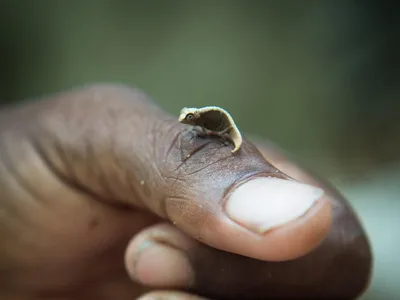
The Madagascan dwarf chameleon—one of the world’s smallest chameleons—is iconic to the country’s Nosy Hara archipelago.
© Nick Riley/WWF-Madagascar
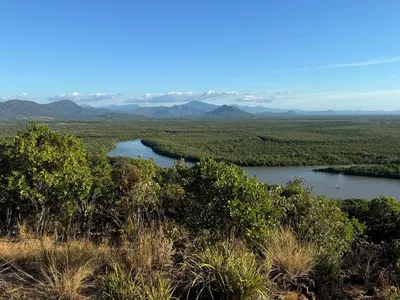
A view of Ambaro Bay's mangroves from the village of Amkiabe in Madagascar.
© WWF-US/Brittany Williams
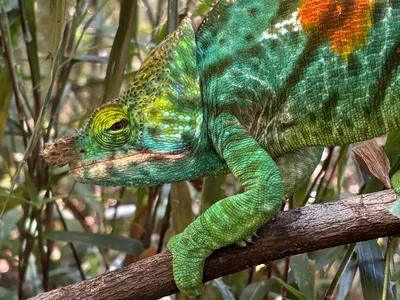
A male Parson’s chameleon.
© Lucas Black
Featured species
Silky sifaka
The silky sifaka’s name—which translates to “angel of the forest”— is a nod to its white fur. Critically endangered, it lives only in small pockets of the northeastern humid forest of Madagascar. According to The IUCN Red List of Threatened Species (2024), fewer than 250 mature individuals exist in the wild.

© WWF-Madagascar / RAKOTONDRAZAFY A. M. Ny Aina