© naturepl.com / Franco Banfi / WWF
Plastics
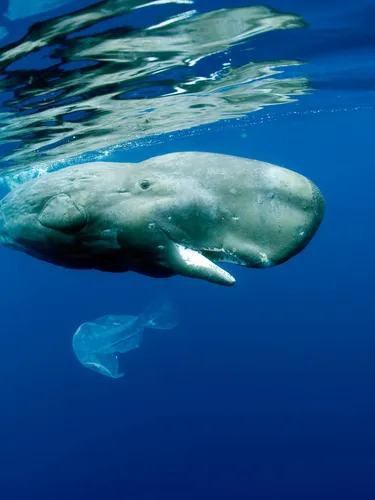
Without ambitious action, plastic pollution will more than double by 2040 to 280 million metric tons per year — the equivalent of a dump truck every second entering our environment. And it’s choking our planet, polluting the air, water, and soil both people and nature need to survive.
As this crisis spreads to every corner of the globe, WWF is leading the charge to help reimagine how we reduce, source, design, and reuse the plastic materials that communities depend upon. This includes eliminating the single-use plastic that we don’t need, shifting to sustainable sources for the plastic that we do need, and improving our material system to collect, reuse, recycle, and compost all plastic that we use. Because while plastic can help make our hospitals safer, our food last longer, and our packages more efficient to ship, it has no place in nature.
WWF is fighting for a world with no plastic in nature, and we’re not alone in this fight. We are witnessing a groundswell of support from the American public and business in reducing plastic pollution. A majority of Americans—85%—think that plastic waste pollution is a serious problem that requires immediate political action to solve. Major companies are also supporting collaborative efforts to address plastic pollution.
Together, we can create a world where our oceans teem with life, not discarded nets, bottles, and bags. Where no communities breathe harmful pollutants from plastic production or burning. Where we are better stewards of the earth and move away from single-use plastics, and where every indispensable plastic product is used to make another.
It’s a world where people and nature thrive together.

© Troy Mayne / WWF
Help stop plastic pollution
Send a message to world leaders, asking them to chart a path to a future with less plastic in nature.
Why addressing plastic pollution matters
© Greg Armfield
The cost of the broken plastic system
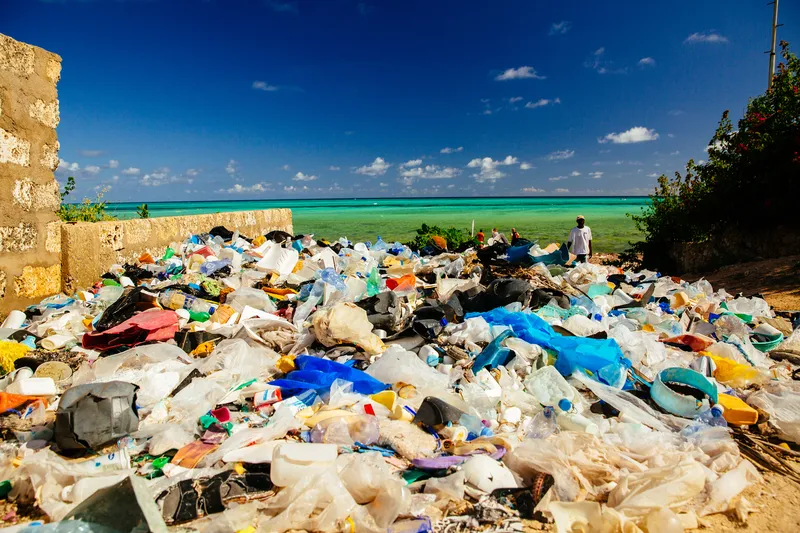
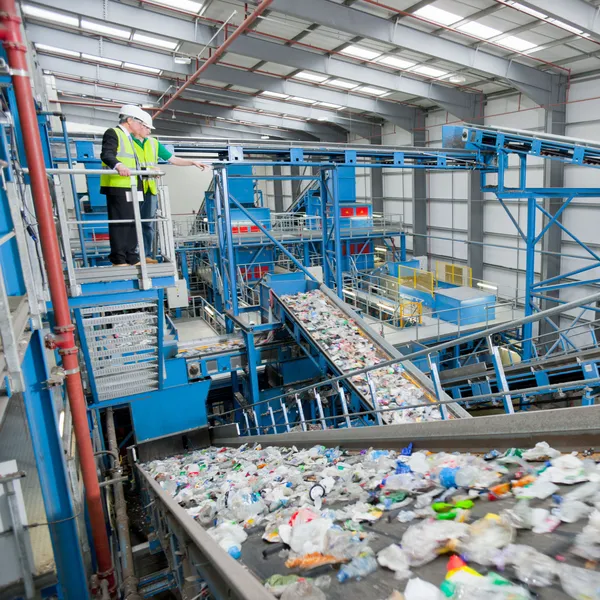
Plastic production has more than doubled in the past 20 years. In the US alone, it is estimated that the annual volume of plastic waste produced is over 42 million metric tons—only 8.7% of which is recycled. Landfilled plastics result in significant losses to the US economy: an estimated average of $7 billion in market value in 2019. Our current waste management system and recycling infrastructure cannot properly manage the volume of virgin plastic. To solve this, we are going to need everyone—policymakers, industry leaders, consumers, and others—to do their part to reduce unnecessary plastic and reuse the plastics we discard.
© naturepl.com/Sue Daly/WWF
Considering trade offs is critical
Tackling the plastic pollution crisis shouldn’t come at an environmental cost, and any solution we take to reduce plastic waste must consider trade offs. That means ensuring that plastic reduction strategies consider the impacts on the planet as a whole and don’t lead to unintended consequences for other critical environmental efforts.
© naturepl.com / Paul Williams / WWF
Impact on wildlife
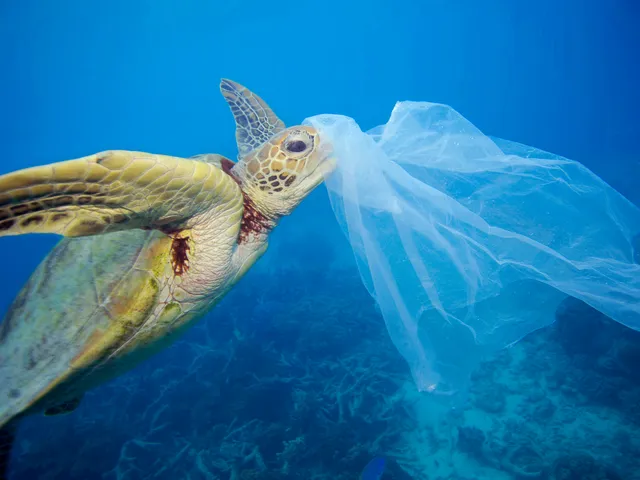
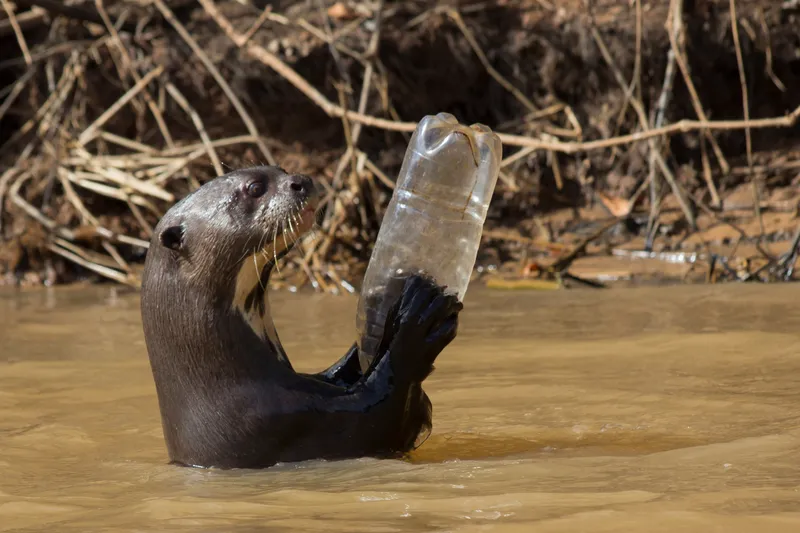
While researchers are only just beginning to understand the scope and scale of plastic’s impact on wildlife, we know that at least 2,144 species have been found to encounter plastic pollution in their natural habitats. It is estimated that up to 90% of seabirds and 52% of sea turtles have mistakenly eaten plastic.
In addition to ingestion, entanglement and habitat loss are two other significant outcomes threatening wildlife.
© Georgina Goodwin / Shoot The Earth / WWF-UK
Impact on people
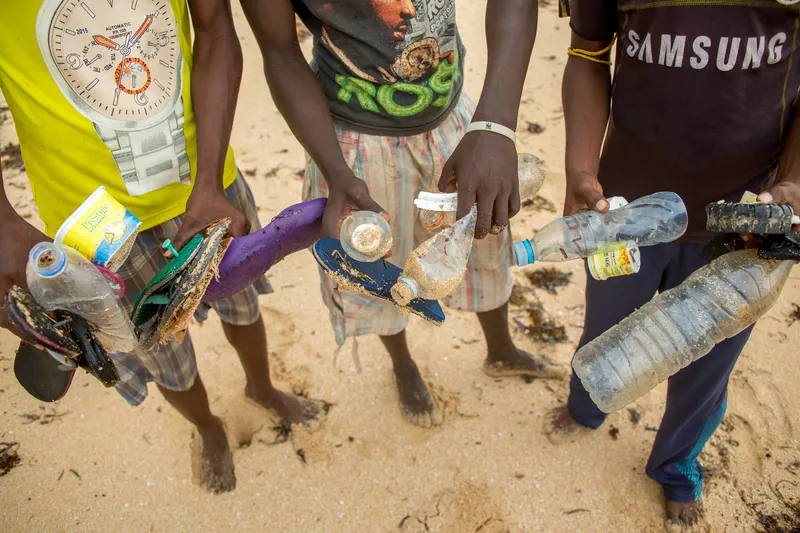
Plastic pollution impacts people and their communities. Without global regulation and standards, communities in low- and middle-income countries are being exposed to the most harmful effects of plastic production and pollution, including air pollution, increased risk of flooding, disease, threats to livelihoods, and unsafe working conditions. And in the US, we generate the most plastic waste in the world, recycling only 5% while 70% ends up in a landfill. Plastic waste is polluting American rivers, coastlines, landscapes, and communities.
© Sam Hobson / WWF-UK
Global harmonization will be a turning point
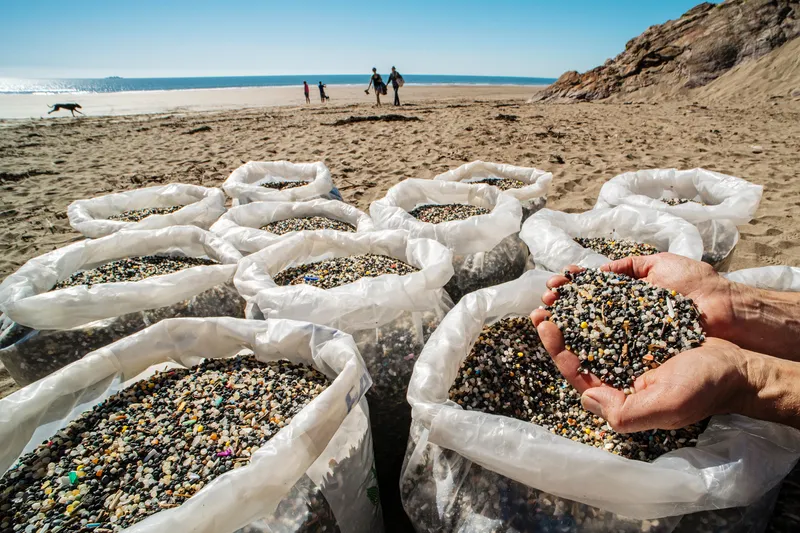
A majority of Americans (82%) feel positive about a new global agreement to stop plastic pollution. They see the trash in their parks, waterways, and neighborhoods. WWF urges all world leaders to act strongly and decisively in developing an effective agreement—one that is both ambitious and fair.
We also need interventions that urgently establish and scale new approaches to this issue. Solving the plastic pollution crisis is challenging and expensive, even more so for the places that are most impacted. WWF engages in over 20 countries, with coordinated approaches to global actions, such as Plastic Reboot and Plastic Smart Cities.
How WWF is taking action on plastic pollution

© Global Warming Images / WWF
At WWF, our vision is for No Plastic in Nature by 2030. This means being better stewards of the Earth, and that starts by taking less and being smarter about the resources that we do take. This future is not only possible but required for the health of our planet. Our global initiative takes a holistic approach to enable action, engaging our networks of activists, policymakers, industry leaders, and other collaborators and rights holders in ways that transform the world’s plastic systems.
Harmonizing plastic policy
To address the plastic pollution crisis at the scope and scale necessary, we need to target the root of the issue: a broken system. Achieving broader goals will require advancing smart plastic policy that drives holistic system change and enables the frameworks for success. WWF is advocating for government action at every level to address plastic pollution:
Congressional action
WWF is advocating for bipartisan legislative solutions to address plastic pollution, including for reduced reliance on single-use plastics, improved data collection and infrastructure for recycling, and Extended Producer Responsibility measures to ensure that companies creating plastic waste are responsible for reducing their plastic footprint.
State-level action
WWF is engaging in priority states to help advance legislation that would reduce plastic waste and support strong implementation of existing laws that were passed in seven states.
Global action
WWF is advocating for the negotiation of a legally binding global treaty on plastic pollution that is bold, ambitious, and effective.
Encouraging ambitious corporate action
Major companies support collaborative efforts to address plastic pollution. These industry leaders are also calling for federal government action to enact policies that incentivize good behavior and level the playing field for companies that want to do more to address this problem.
Large-scale corporate action is a necessary lever for change, and WWF is tapping into this potential by helping the world’s biggest companies make an impact within and beyond their supply chains.
WWF’s flagship program, ReSource, connects companies, stakeholders, and governments to share discoveries and investments across the plastic material lifecycle, advancing broader circularity goals.
Through Bioplastic Feedstock Alliance (BFA), we are advancing thought leadership on responsibly sourced bio-based plastic, so companies are equipped with the best science and sourcing practices as they shift to sustainable inputs for their new plastic needs.
Working around the world, we’re partnering with governments, businesses, civil society organizations, and experts to build systems that keep plastic out of nature. Through 15 country projects, Plastic Reboot provides catalytic funding, coordination, and technical support to find and test circular policies and solutions. Plastic Reboot is supported by the Global Environment Facility, co-led by the United Nations Environment Programme and World Wildlife Fund, and implemented in partnership with the United Nations Development Programme and the United Nations Industrial Development Organization.
Lift Collaborative, convened by WWF, the Circulate Initiative, and Circulate Capital, and supported by Builders Vision, aims to create systems-level coordination between international development funding and private sector investment to identify, fund, and scale plastic-reduction solutions where they are most needed. Lift Collaborative will support projects with financial, environmental, and social return on investment that will move the needle on plastic pollution.
We are mobilizing companies to support the policy solutions that will unlock circularity on the global stage through the Business Coalition for a Global Plastics Treaty.
WWF has also compiled years of work with companies into a step-by-step guide for others to align with the ambition to get started on a journey toward circularity. The Blueprint for Credible Action on Plastic Pollution is a helpful tool both for companies initiating a new plastic strategy and those seeking to maintain leadership or expand existing strategies and plans. Companies with strategic plans in place to address plastic pollution can use the Blueprint to identify gaps in existing programs and pinpoint opportunities for expansion and collaboration.
Learn more about opportunities for corporate engagement.
Harnessing individual action
An overwhelming majority of US consumers—85% of the American public—think that plastic waste pollution is a serious and concerning problem that requires immediate political action to solve. Individually, we can't solve this problem, but we can all contribute in ways to help build a world without plastic pollution in nature. We need strong policies to keep producers of plastic accountable, and at the same time, there are daily steps we can take within our own lives to help, including advocating for change.
At WWF, we are engaging with supporters across the US to advocate for global and domestic improvements in infrastructure, as well as holding producers responsible for sourcing non-virgin plastic materials. We also encourage supporters to sign up to participate in our actions, and learn more about what they can do in their communities.
News and stories
Experts
-
Annelise Adrian
Senior Program Officer, Plastics and Material Science
-

Kevin Allexon
Director, US Plastics Policy and Advocacy
-

Tarunika Anand
Senior Policy Advocate, State and Federal Plastics Policy
-

Alix Grabowski
Senior Director, Plastic and Material Science
-

Brianna Sheppard
Manager, Plastic and Material Science
-

Erin Simon
Vice President and Head, Plastic Waste and Business
-

Mary Jo Snavely
Director, Plastics and Material Science

Protect nature now
Nature needs your urgent help. Donate to WWF today and protect the beauty of nature for generations to come.
© Guy Edwardes/naturepl.com/WWF