Publications
-
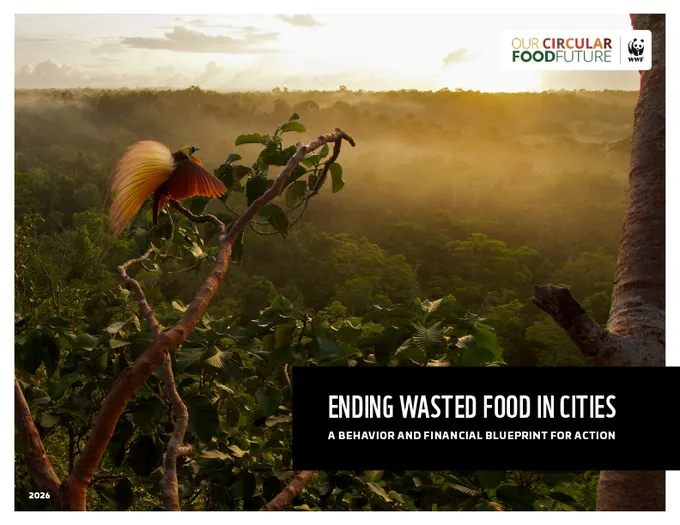
Ending wasted food in cities in Indonesia and elsewhere creates jobs and dramatically reduces future methane emissions. By scaling immediate investments into organic infrastructure and behavior change, Jayapura and Merauke could see a 62% and 52% projected decrease in future methane emissions by 2045.
-
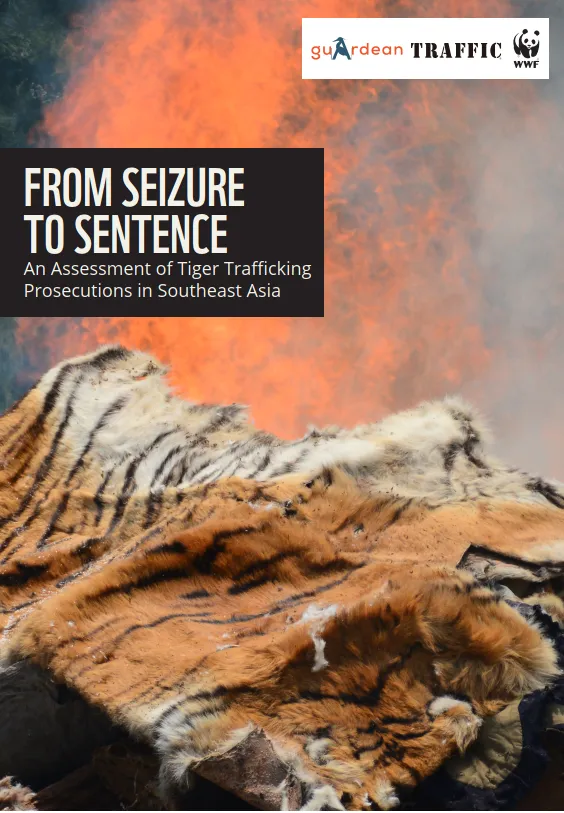
A joint report by WWF, GuArdean, and TRAFFIC, From Seizure to Sentence: An analysis of tiger crime prosecutions in Southeast Asia, finds significant weaknesses in tiger crime prosecutions across Southeast Asia where tiger trafficking remains a persistent threat to the future of wild tigers.
The report examines tiger‑related arrests, prosecutions, and sentencing outcomes across seven tiger range countries (Cambodia, Indonesia, Lao PDR, Malaysia, Myanmar, Thailand, and Viet Nam) between 2019 and 2024, assessing how criminal justice systems respond to tiger trafficking and identifying gaps in prosecution, sentencing, transparency, and accountability.
-
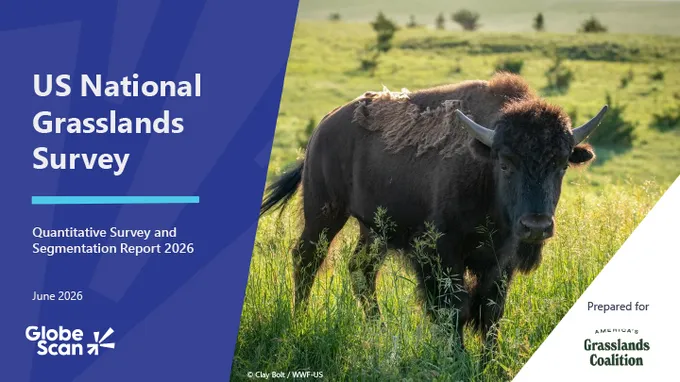
The 2026 US National Grasslands Survey was commissioned by the America’s Grasslands Coalition, which includes WWF, to better understand public awareness, perceptions, and attitudes toward grasslands across the United States. It also aims to assess levels of support for grassland conservation and to inform the design and strategic direction of future outreach and engagement efforts.
This report presents findings from a nationally representative survey of 2,014 US respondents conducted by GlobeScan, an independent research consultancy, between April 16–28, 2026. The sample reflects the US population across age, gender, education level, and state population.
-
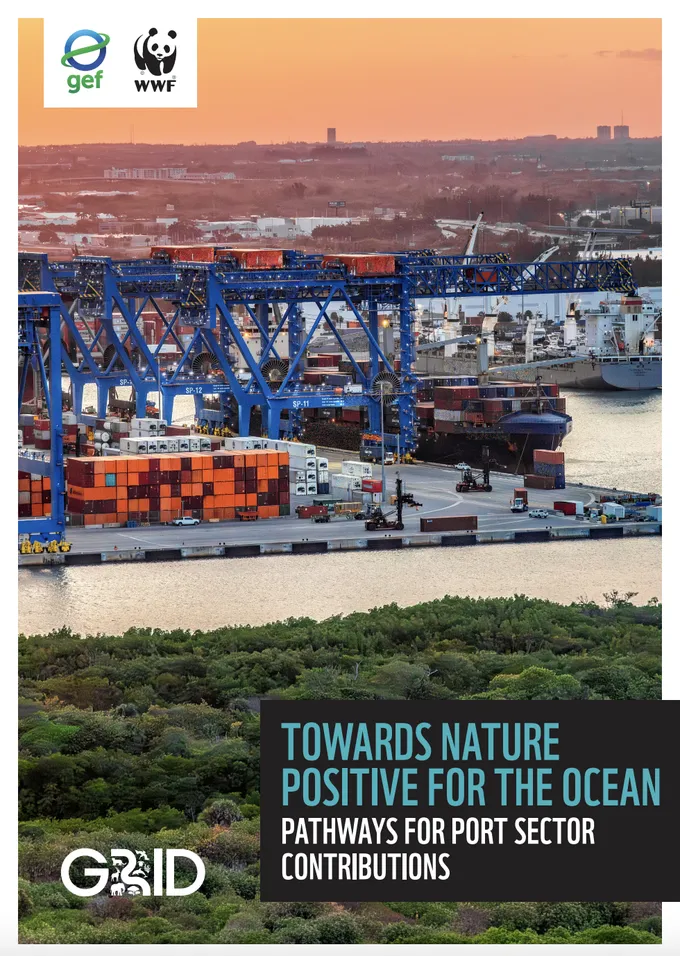
Ports are essential to the global economy, but they sit at the frontline of ocean degradation. With port expansion accelerating globally, a fundamental shift in approach is needed to avoid placing additional pressures on already stressed coastal and marine ecosystems.
The WWF report Towards Nature Positive for the Ocean: Pathways for Port Sector Contributions offers practical, science-based pathways to help port planners, developers, operators, and owners credibly contribute to global nature-positive goals: halting and reversing biodiversity loss by 2030 and achieving full recovery by 2050. Published under the Global Environment Facility-funded Greening Transportation Infrastructure Development (GRID) program, the report’s central message is that infrastructure and nature do not need to be competing priorities.
The report provides practical actions for embedding nature into every stage of the port life cycle. Drawing on the AR3T framework—Avoid, Reduce, Restore & Regenerate, and Transform (aligned with the Science Based Targets Network)—the report outlines pathways for the port industry to avoid and reduce impacts, restore and regenerate ecosystems, and transform broader systems.
-
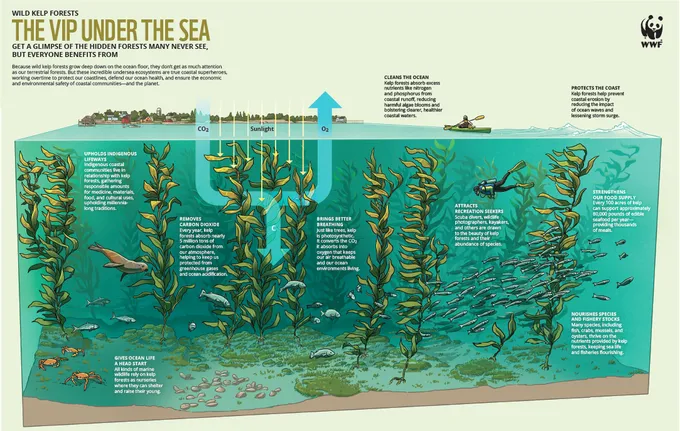
Unlike land forests, kelp forests are hidden deep in the ocean. Therefore, they are often forgotten despite being true coastal superheroes, helping to protect shoreline biodiversity, supporting local ocean health and sustaining coastal fishing communities. These forests are under threat around the world by changing ocean conditions. This infographic explains why protecting kelp forests is critical to protect habitats and support ocean health.
Infographic series
- The VIP Under the Sea
- Boast About Your Coast
- What to Know About the Grow
- Innovation that Helps Conservation
-
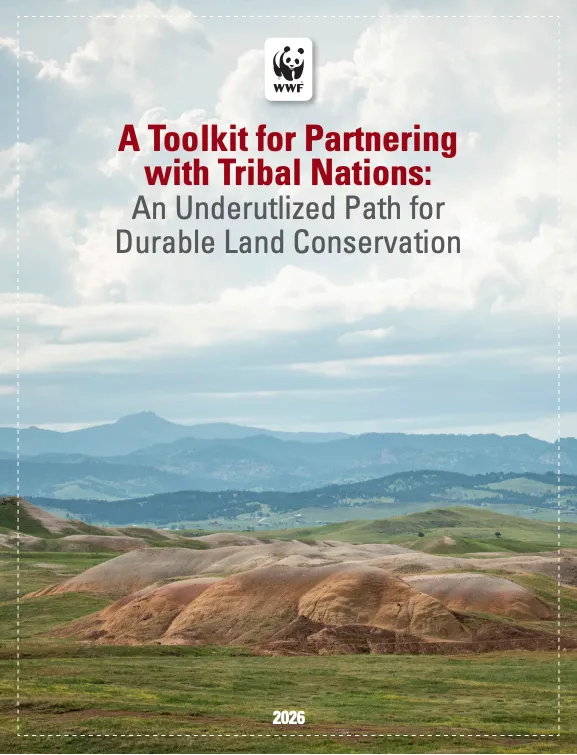
Tribal Nations have sustainably managed natural resources since time immemorial, yet they remain one of the most underutilized partners in modern conservation. This toolkit explores how partnerships with Tribal governments can create durable conservation outcomes while supporting Tribal sovereignty and self-determination. Drawing on practical guidance, legal frameworks, and examples from across the United States, it shows how Tribal-led strategies can lead and reshape efforts to protect wildlife, habitats, and culturally significant landscapes for future generations.
-
Una descripción detallada del GFLT, que ayuda a los usuarios a planificar y realizar mediciones de campo.

-
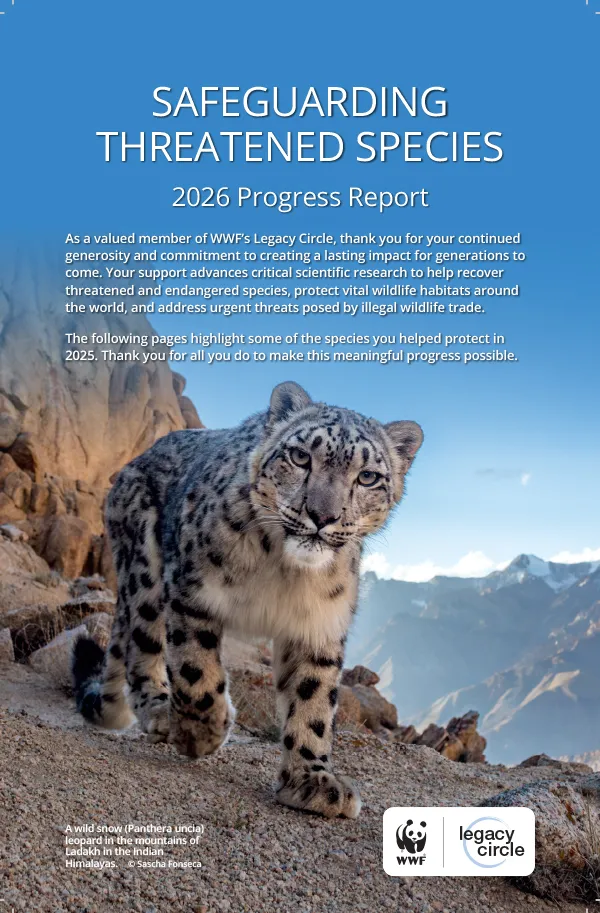
As a valued member of WWF’s Legacy Circle, thank you for your continued generosity and commitment to creating a lasting impact for generations to come. Your support advances critical scientific research to help recover threatened and endangered species, protect vital wildlife habitats around the world, and address urgent threats posed by illegal wildlife trade.
The following pages highlight some of the species you helped protect in 2025. Thank you for all you do to make this meaningful progress possible.
-
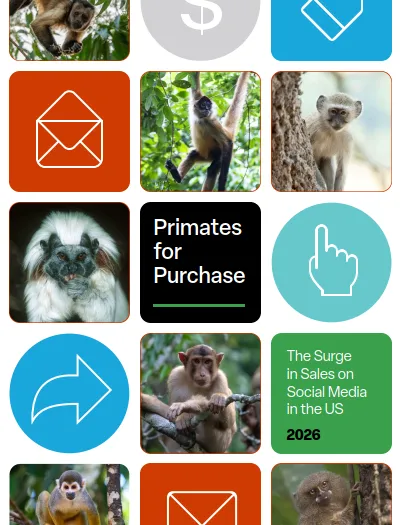
The report, Primates for Purchase: The Surge in Sales on Social Media in the US (2026), reveals the alarming extent to which primates are being traded openly on major social media platforms in the United States. Published by the Association of Zoos and Aquariums (AZA), the International Fund for Animal Welfare (IFAW), and World Wildlife Fund (WWF), the study incorporates online monitoring research, stakeholder interviews, regulatory mapping, and media analysis, with recommendations for policymakers, law enforcement agencies, technology companies, and the public.
-
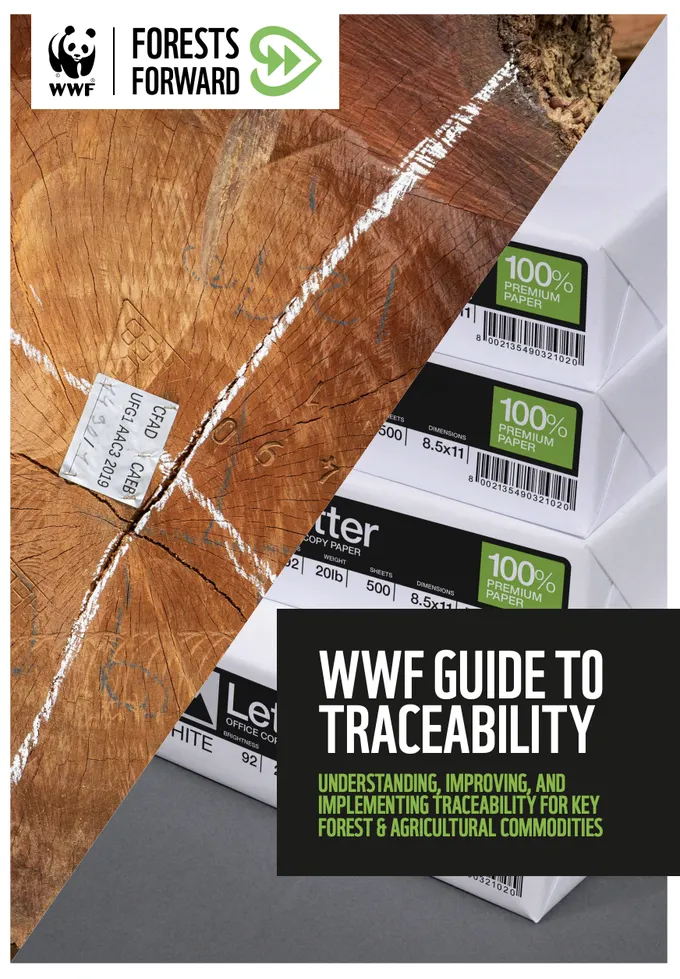
WWF’s Guide to Traceability—published by WWF's Forests Forward corporate engagement program—supports companies, governments, nongovernmental organizations, and other stakeholders to understand, improve, and implement effective traceability for key forest-risk commodities.
Traceability is essential for the responsible sourcing of specific forest and agricultural commodities linked to deforestation, conversion, illegality, and human rights violations, such as timber, palm oil, rubber, soy, cocoa, coffee, and leather/beef. However, traceability can be challenging due to complex global supply chains, mixing of commodities from different origins, and the absence of standardized data collection.
The guide seeks to address these challenges and support responsible, deforestation- and conversion-free sourcing of forest-risk commodities by:
- Clarifying the key elements that traceability tools and systems should incorporate to be as effective as possible, given current knowledge and technology
- Driving the development and enhancement of these tools and systems
- Providing a road map to companies that want to establish effective traceability
Companies play a key role:
- Large, downstream companies such as brands and retailers have an extremely important role to play in driving the development and implementation of effective traceability
- Well-resourced primary suppliers that source raw materials from farms and forests are best positioned to gather and transmit needed data, exercise controls, and support responsible production within their supply areas
Traceability is a means to an end. Leadership companies need to go beyond using and supporting the development of traceability tools and embrace additional approaches that strike at the roots of the problems and advance durable solutions.