Publications
-
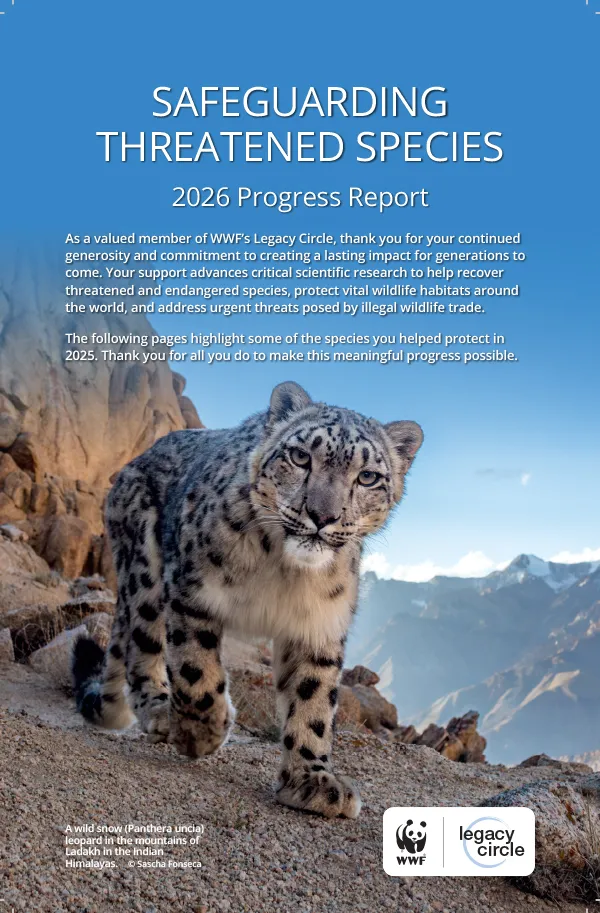
As a valued member of WWF’s Legacy Circle, thank you for your continued generosity and commitment to creating a lasting impact for generations to come. Your support advances critical scientific research to help recover threatened and endangered species, protect vital wildlife habitats around the world, and address urgent threats posed by illegal wildlife trade.
The following pages highlight some of the species you helped protect in 2025. Thank you for all you do to make this meaningful progress possible.
-
The report, Primates for Purchase: The Surge in Sales on Social Media in the US (2026), reveals the alarming extent to which primates are being traded openly on major social media platforms in the United States. Published by the Association of Zoos and Aquariums (AZA), the International Fund for Animal Welfare (IFAW), and World Wildlife Fund (WWF), the study incorporates online monitoring research, stakeholder interviews, regulatory mapping, and media analysis, with recommendations for policymakers, law enforcement agencies, technology companies, and the public.
-
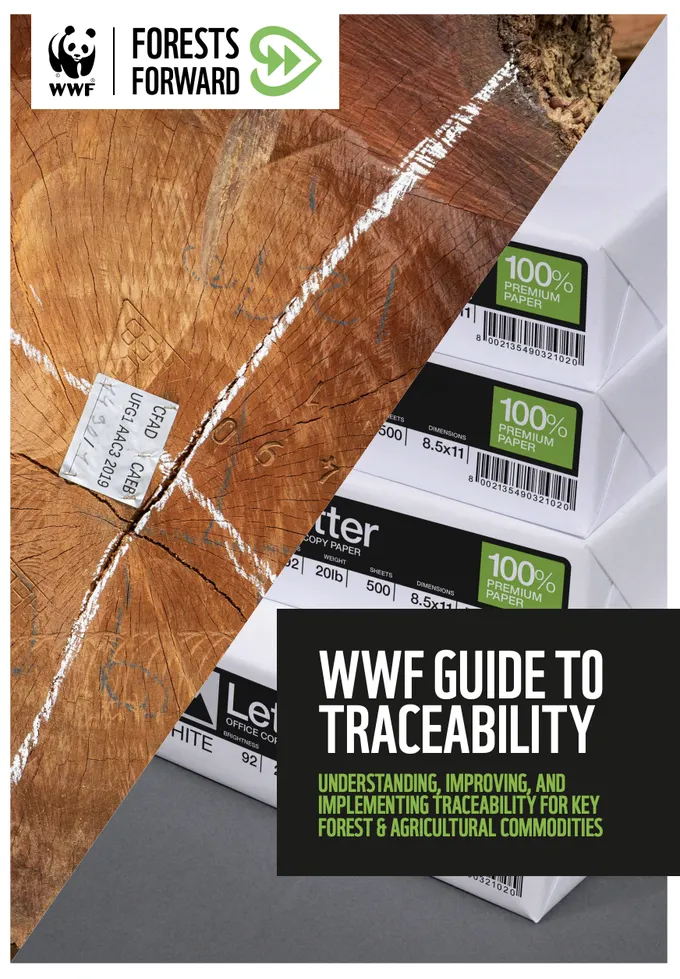
WWF’s Guide to Traceability—published by WWF's Forests Forward corporate engagement program—supports companies, governments, nongovernmental organizations, and other stakeholders to understand, improve, and implement effective traceability for key forest-risk commodities.
Traceability is essential for the responsible sourcing of specific forest and agricultural commodities linked to deforestation, conversion, illegality, and human rights violations, such as timber, palm oil, rubber, soy, cocoa, coffee, and leather/beef. However, traceability can be challenging due to complex global supply chains, mixing of commodities from different origins, and the absence of standardized data collection.
The guide seeks to address these challenges and support responsible, deforestation- and conversion-free sourcing of forest-risk commodities by:
- Clarifying the key elements that traceability tools and systems should incorporate to be as effective as possible, given current knowledge and technology
- Driving the development and enhancement of these tools and systems
- Providing a road map to companies that want to establish effective traceability
Companies play a key role:
- Large, downstream companies such as brands and retailers have an extremely important role to play in driving the development and implementation of effective traceability
- Well-resourced primary suppliers that source raw materials from farms and forests are best positioned to gather and transmit needed data, exercise controls, and support responsible production within their supply areas
Traceability is a means to an end. Leadership companies need to go beyond using and supporting the development of traceability tools and embrace additional approaches that strike at the roots of the problems and advance durable solutions.
-
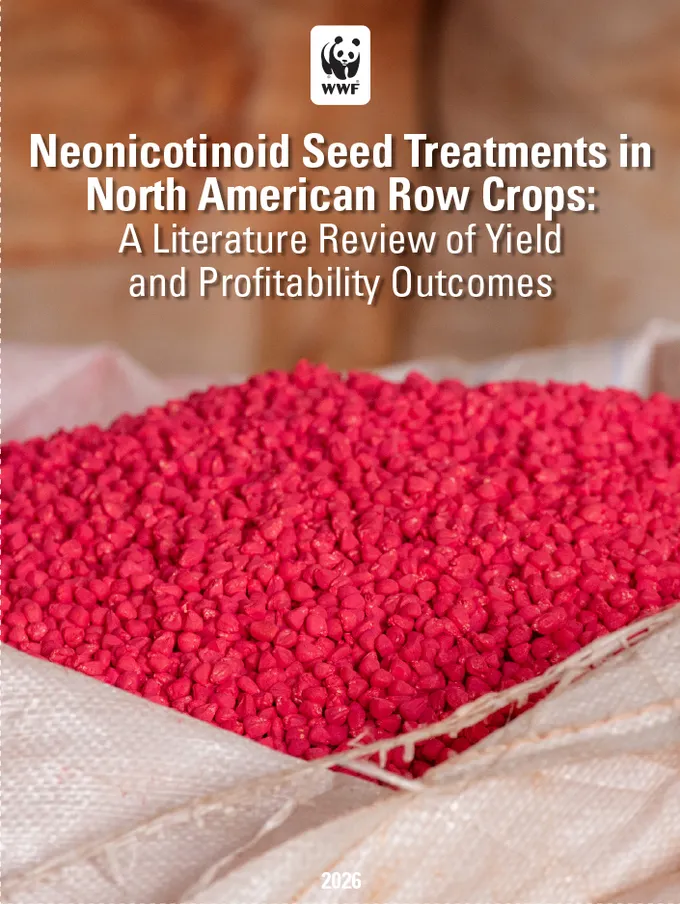
In the United States, almost 100% of conventional corn, 60% of soy, and 50% of wheat seed have a seed coating that includes neonicotinoid pesticides. These systemic insecticides were first introduced in the 1990s as a less harmful alternative to more traditional pesticides, but the beneficial impacts of these seed treatments on farmers’ yields have been shown to vary by geography, crop, and weather. In fact, since their release, many studies have shown that while neonicotinoids allow farmers to take a more preventative approach to pest-management through seed-coatings, their persistence in the soil and their highly water-soluble nature has, by many accounts, caused significant environmental harm and sometimes decreased crop yields. To explore these claims of benefits versus unintended environmental and economic consequences, this literature review has included North American studies that looked at whether neonicotinoid seed treatments (NSTs) impact yield and profitability for farmers with a focus on corn, soy, and wheat crops. To do this, we collected North American studies that compared the yield and/or economic return on investment between crops grown from seeds coated with neonicotinoid insecticides and crops grown from seeds without these products. The authors of this review hope that by doing so, we can guide a more thoughtful, assess-and-decide approach to use that will reduce the widespread impacts on pollinators, songbirds, humans, and more.
-
Invasive species are a major environmental, economic, and social threat. To support a novel approach to fighting invasive species, WWF has created a ‘Market Uses for Invasive Species’ framework to help address this scourge in an environmentally, economically, and socially beneficial way in support of our broader mission of protecting the natural world and its resources.

-
Recognizing a need to advance a systems-based, circular economy approach to material use, WWF published this vision statement.

-
In this white paper, WWF provides an overview of technical considerations on the impact of fiber-based packaging through the entire system. The paper offers a comprehensive overview across the fiber-based packaging lifecycle—from sourcing to paper and fiber packaging production to use and to end of life.

-
In this white paper, WWF outlines the fundamentals of systems thinking when considering the lifecycle impacts of packaging. The paper provides an overview of system optimization and the function of packaging, then connects these points to end-of-life considerations, the waste hierarchy, and product impact considerations.

-
In this white paper, WWF provides an overview of technical considerations on the impact of plastic packaging through the entire system. The paper offers a comprehensive overview of potential impacts through the plastic packaging lifecycle—from sourcing to production to use and to end of life.
-
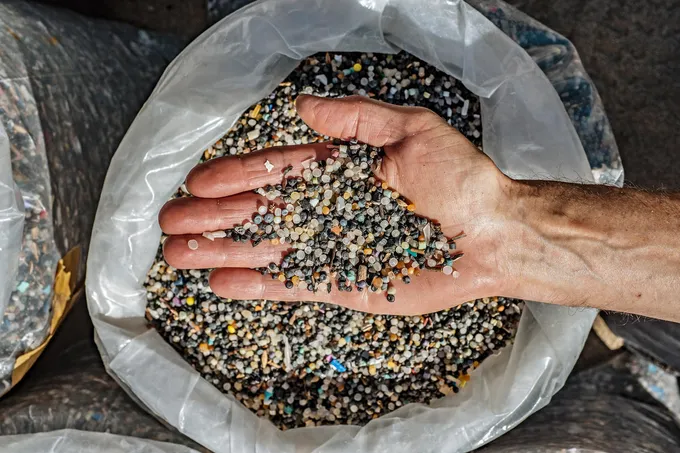
The recycling system in the United States is broken, and we need to create a circular economy that collects all recyclable materials so they can be remade into new products. The linchpin to a circular economy is Extended Producer Responsibility (EPR) on a national scale, and WWF and the American Beverage Association (ABA)--organizations with distinct missions--have aligned behind principles for a consistent and flexible EPR framework in the US.