Publications
-
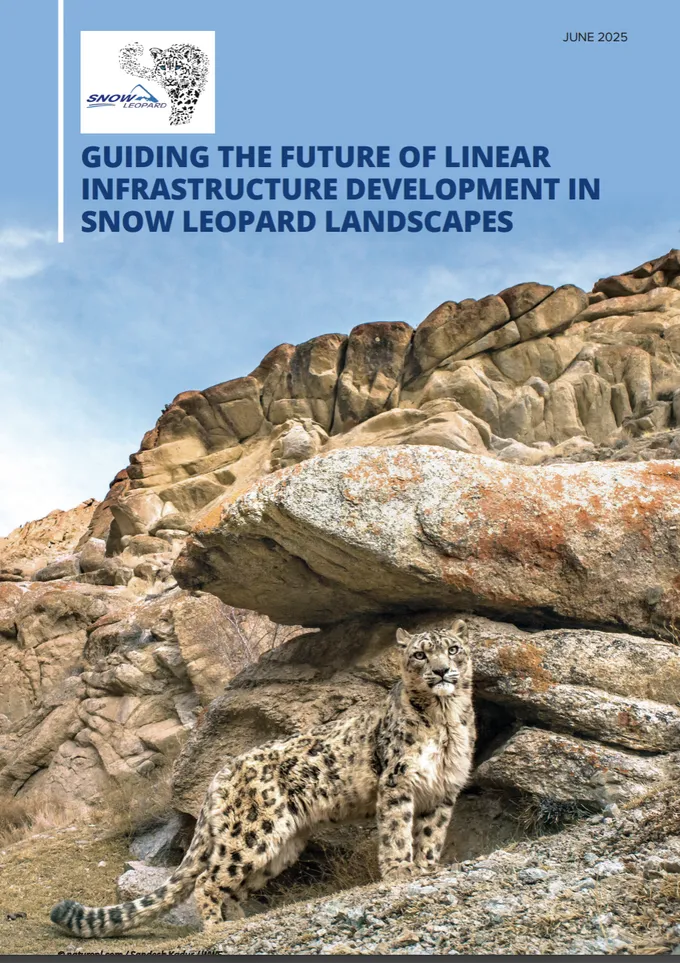
Linear infrastructure (LI)‚ – such as roads, railways, power transmission lines, canals, pipelines, and border security and other forms of fencing‚ – is necessary to connect people and services and support communities. However, it also threatens snow leopards and the high-mountain ecosystems they inhabit. Concerns include habitat fragmentation, illegal hunting and trade, wildlife-vehicle collisions, and other forms of human-wildlife conflict. In addition, feral dogs, invasive species, pathogens, and pollutants introduced by LI further disrupt the environment and drive biodiversity loss. Climate change worsens these threats, while LI itself exacerbates climate change.
The Global Snow Leopard and Ecosystem Protection Program (GSLEP), an alliance of the 12 countries comprising the snow leopard‚'s range, formed a working group of scientists and conservationists to create guidance for how infrastructure development can integrate protections for these big cats. Led by the International Snow Leopard Trust, WWF, and the Center for Large Landscape Conservation, the working group presented a guidance document, Guiding the Future of Linear Infrastructure Development in Snow Leopard Landscapes, at the 9th GSLEP Steering Committee Meeting in Cholpon Ata, Kyrgyz Republic, in June 2025, attended by environment ministers or their representatives.
This initial guidance recommends how governments, civil society, and local communities in snow leopard range countries can use avoidance and mitigation techniques to address these threats. It covers the infrastructure life cycle and follows the mitigation hierarchy‚ – a framework to avoid, minimize, and mitigate negative environmental impacts. The guidance offers solutions to protect biodiversity and ecosystem health throughout the infrastructure project‚'s life cycle, but it also revealed gaps in our knowledge that we propose addressing in future work. Implementing the measures defined here and working to address knowledge gaps will reduce risks to snow leopards and their prey, support human communities living in these ranges, preserve the ecosystem services snow leopards depend on, and lower the risk of infrastructure failure.
-
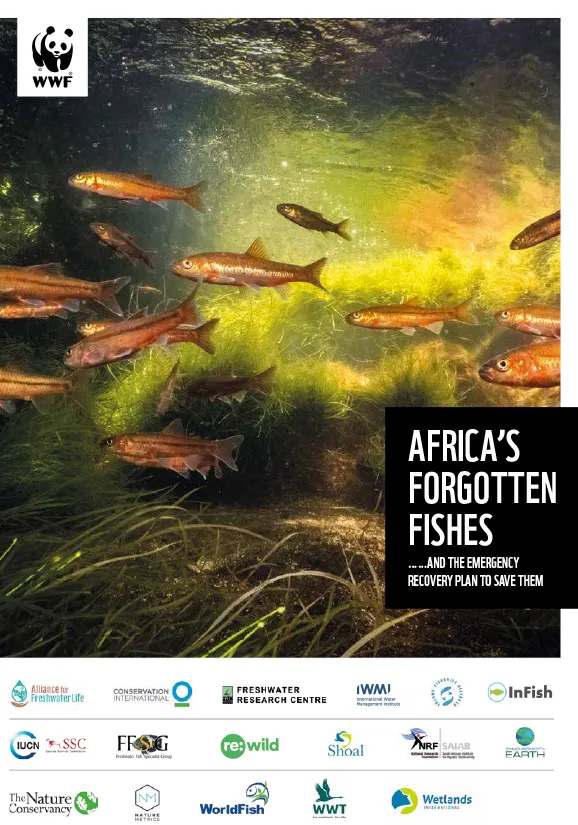
Africa‚'s Forgotten Fishes spotlights the extraordinary richness and critical importance of the continent‚'s freshwater fishes‚ – home to more than 3,280 species, most of them found nowhere else on Earth. These fishes are essential to the health of rivers, lakes, and wetlands across Africa, and they sustain the food security, nutrition, livelihoods, and cultures of tens of millions of people. Yet despite their value, freshwater fishes remain largely invisible in policy and development decisions, and are now facing alarming declines due to damming, habitat degradation, overexploitation, invasive species, and climate change. This report calls for urgent action, including adoption of a science-based Emergency Recovery Plan and broader participation in the African-led Freshwater Challenge, to protect, restore, and sustainably manage freshwater ecosystems‚ – securing a future for Africa‚'s fishes and the people who depend on them.
-
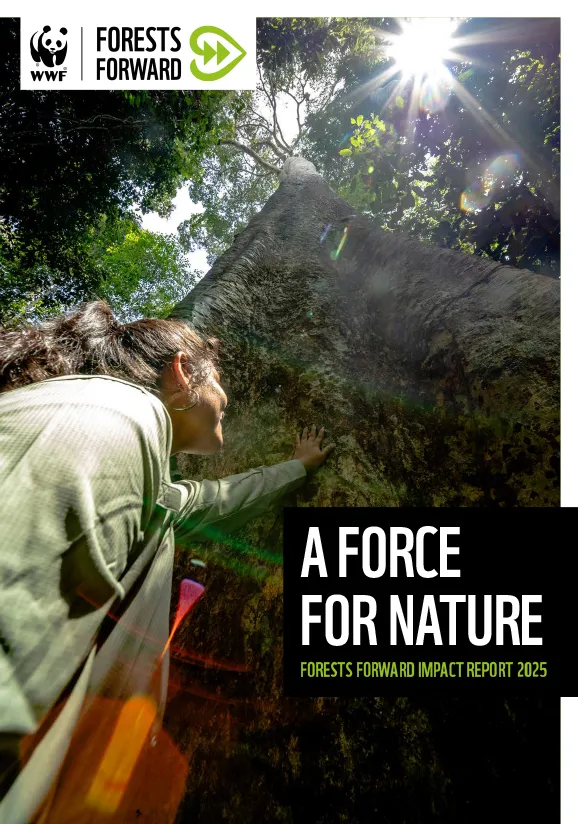
The Forests Forward Impact Report reveals that 26 leading companies, including US-based businesses, from nine sectors are improving forest management or going beyond responsible sourcing to support forest conservation projects around the world.
Through Forests Forward, WWF’s flagship program for corporate leadership on forests, WWF projects financed by private sector partners are helping conserve a total forest area of 1.3 million hectares in some of the most vital and vulnerable landscapes through actions such as forest restoration.
An additional 2.7 million hectares of tropical forest are benefiting from improved forest management measures implemented by forest management companies participating in Forests Forward. Responsible sourcing efforts being implemented by partner companies are also translating to many more hectares of improved forest management across the globe.
With less than five years until 2030 deadlines for global goals on nature and climate, the Forests Forward Impact Report emphasizes how critical the private sector is in filling finance gaps. It also outlines how forests play an outsized role in addressing biodiversity loss and economic equality.
-
In this guidance document, the Bioplastic Feedstock Alliance aims to align decision-makers on an approach for setting biobased plastic targets within the broader landscape of sustainability targets and environmental performance goals.
-
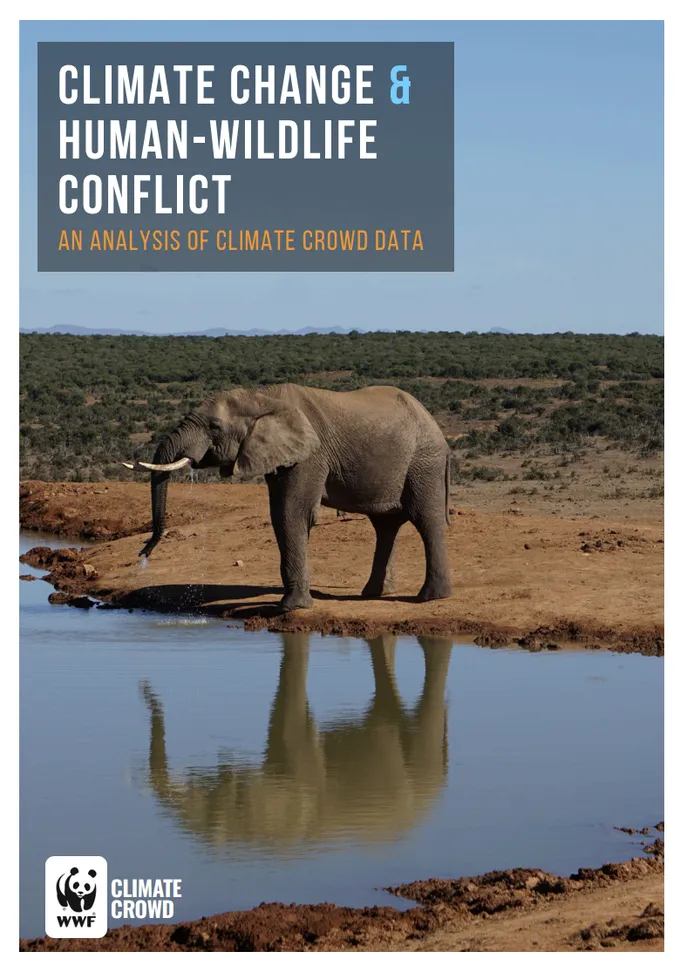
As we experience intensifying environmental changes and resource scarcity, humans and wildlife are altering their behaviors, leading to increased competition for food and water and escalating human-wildlife conflict. WWF‚'s Climate Crowd report highlights the interconnectedness of human and wildlife responses to climate stressors and the complex dynamics that drive conflict, based on data from key-informant interviews about how communities on the ground are experiencing and coping with climate change. The findings of this report underscore how climate stressors are putting people and wildlife at odds with each other, ultimately contributing to human-wildlife conflict.
-
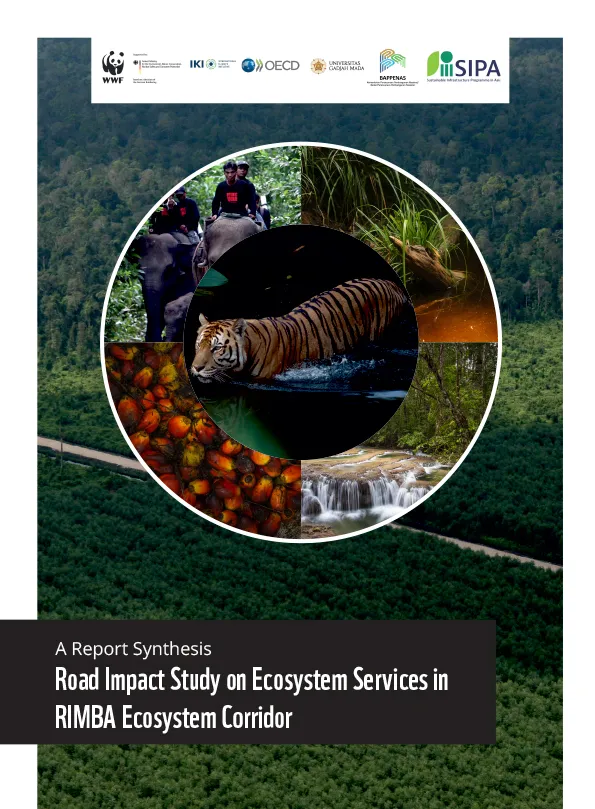
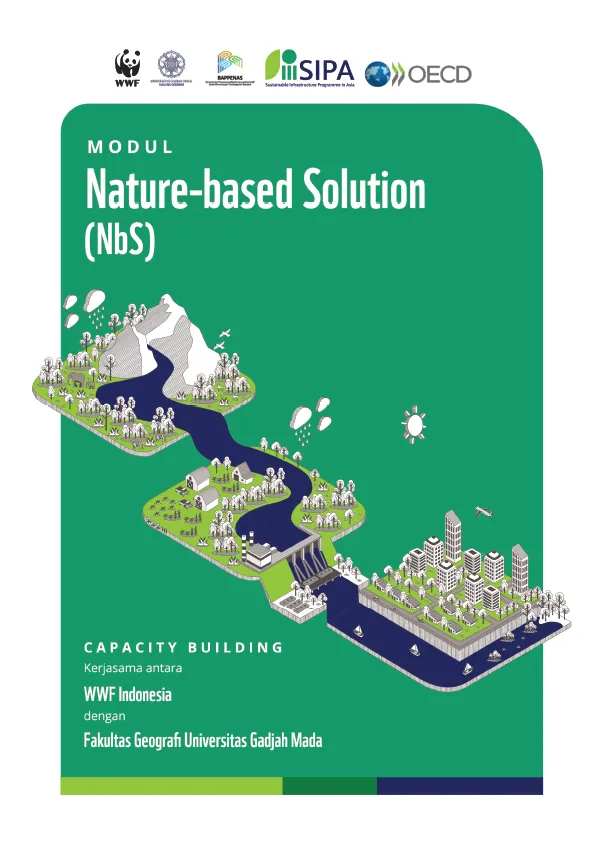
In the last five years, people in the central Sumatra have been cheering up the newly constructed toll roads that they perceive to be a potential economic growth. The section of toll road connecting two important cities in Riau Province (Dumai- Pekanbaru)‚ – and also the other sections between Jambi and Palembang (some section are under construction)‚ – is believed to give a hint that the Government is determined to put the linear infrastructure into the list of National Strategic Project. Being in charge of the toll road building, the Ministry of Public Works and Public Housing (PUPR) and Agrarian and Spatial Planning/National Land Agency (ATR/BPN) have received a feedback‚ – to be taken into account for ecosystem studies for the development of toll road infrastructure in the central Sumatra corridor containing‚ – stakeholders‚' concern for wildlife habitat, including WWF Indonesia. The planned toll road sections seemed to be a delicate issue at the beginning as some of them pass through elephant and tiger habitat areas, yet eventually, it can be overcome‚ – thanks to the decision that they made to build some animal bridge facilities through which wildlife still manage to make cross-section mobility. This approach is known as nature- based solutions (NbS).
We hope that this report synthesis can help policymakers and decision makers in understanding the impacts of linear infrastructure on ecosystems and wildlife. Chances are, there may be some imperfections in this report synthesis, and thus we encourage all stakeholders to share inputs and suggestions with us.
-
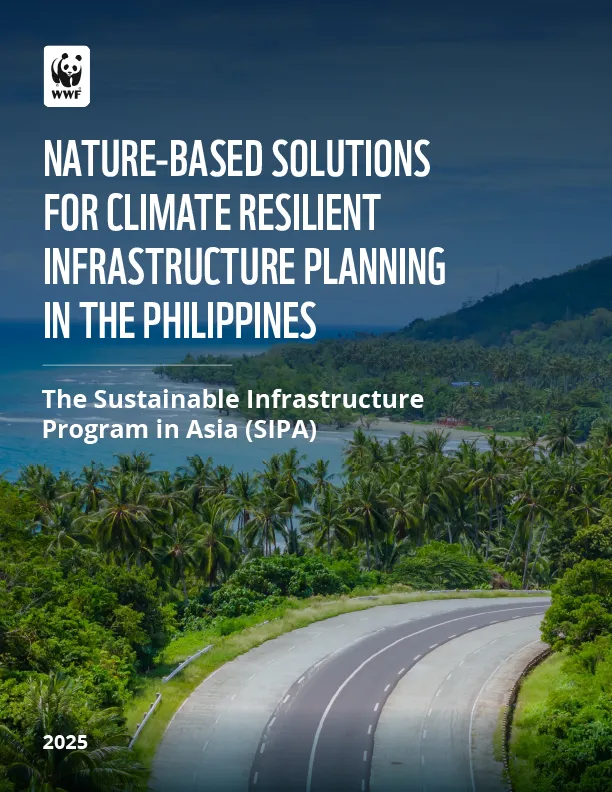
This technical report is among the outputs for WWF‚'s Sustainable Infrastructure in Asia Program (SIPA). This report focused on the objective of integrating Nature-based Solutions (NbS) into infrastructure planning in the Philippines, specifically in Butuan City, Agusan del Norte. To achieve this, a comprehensive methodology was employed, that included document analysis, key informant interviews, and focus group discussions.
The results and discussion part of this technical report provides a socio-economic profile of the local population, a physical characterization of the area, an assessment of climate and natural hazards, and a description of the ecological systems and biodiversity in Butuan City. Additionally, it synthesizes local plans, policies, institutions, and stakeholders to contextualize the local policy environment and identify factors that may support or hinder NbS project implementation.
The climate risk assessment section evaluates two primary hazards affecting Butuan City: flooding and rainfall-induced landslides. This assessment considers both existing linear infrastructures and proposed infrastructure projects. It concludes with an impact chain analysis to illustrate the effects of complex climate risks on the city.
The section on ecosystem services quantifies priority ecosystem services identified by local stakeholders as critically important and in urgent need of intervention. This quantification will assist infrastructure planners in selecting interventions that enhance or restore ecosystem services, while ensuring that infrastructures are more resilient to climate change. It also aims to support biodiversity conservation efforts.
Furthermore, the report outlines the preconditions and recommendations for implementing NbS in Butuan City. Finally, it identifies gaps, challenges, and opportunities to guide NbS implementers in overcoming potential roadblocks and leveraging prospects for mainstreaming NbS in linear infrastructure planning.
-
KEY FINDINGS:
- Ecosystems most impacted by road infrastructure and settlement development within 15-25km support climate resilience for nearly 54 million people and 66% of the road network on just 19% of Philippines‚' lands.
- Evaluating all intact ecosystems nationwide that could support NbS benefits, conserving priority areas on just 16% of Philippines‚' land area supports climate resilience for 43 million people and 42% of the road network.
- Restoring degraded forests to support multiple NbS to enhance climate resilience found on just 13% of the country would benefit about 51 million people and close to 52% of the road network.
- Most of these priority areas are outside the protected area network, necessitating new regulatory approaches or land use management schemes for successful conservation or restoration efforts.
- There are, however, immediate "win-win" opportunities for NbS investments under conservation or restoration inside protected areas and Key Biodiversity Areas that would simultaneously support climate resilience for people and infrastructure and biodiversity outcomes.
- These analyses would be particularly useful for planning and prioritization processes of the NEDA‚'s Infrastructure Flagship Program, the next update of the Philippine Development Plan (PDP), and the ongoing update of the Philippine Biodiversity and Conservation Plan (PBSAP).
- Achieving this requires investments in training and capacity building programs at all levels across these agencies and key departments on how to assess and integrate NbS in infrastructure planning. WWF and the University of Philippines Los Banos (UPLBFI) have developed such training materials for this purpose under the SIPA project.
- Maps and associated data should be integrated into existing key agencies and departmental web platforms and centralized national data and mapping platforms like the NAMRIA Geo Portal to ensure maximum utility for planners across departments and agencies.
-
-
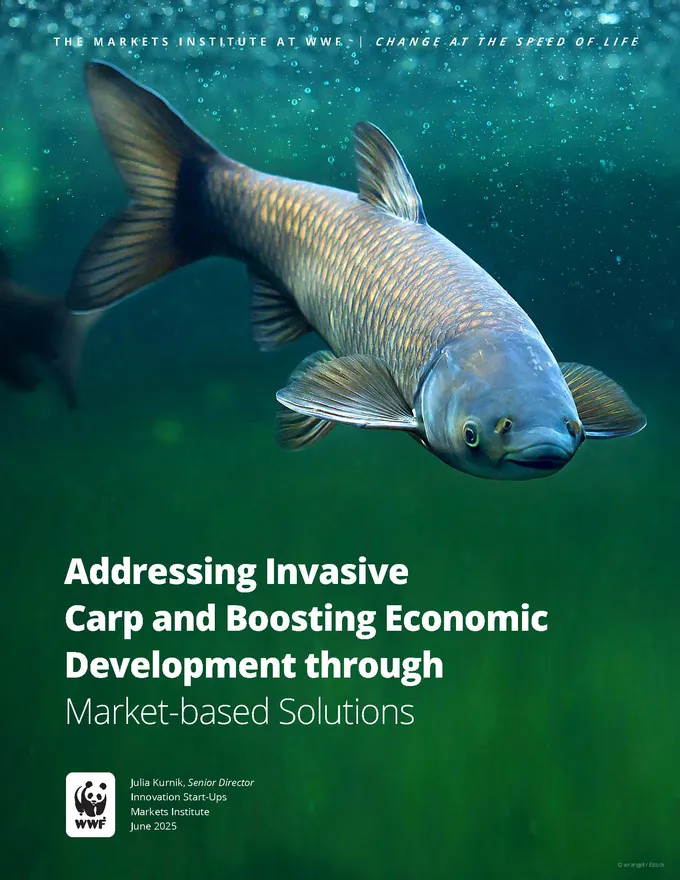
Addressing Invasive Carp and Boosting Economic Development through Market-based Solutions explores how market-driven strategies‚ – particularly through the pet food industry‚ – can help mitigate the environmental and economic damage caused by invasive carp in American rivers. These carp species, introduced in the 1970s, now dominate river ecosystems, outcompeting native species and degrading water quality. Despite their nutritional value, carp are underutilized in the U.S. due to their bony structure and negative public perception. However, the growing demand for sustainable, protein-rich ingredients in pet food presents a promising opportunity to create a viable supply chain that both reduces carp populations and supports local economies.
The report outlines how moderate harvesting of carp could help suppress their density, restore ecosystem services, and improve biodiversity, even if full eradication is unlikely. It also emphasizes the importance of supporting fishers through innovative business models like co-ops and vertical integration to ensure equitable and sustainable supply chains.