Publications
-
Building on three years of the largest consumer surveys about the elephant ivory trade in China, WWF in cooperation with GlobeScan has conducted a survey specifically targeting Chinese outbound travelers to destinations in East and Southeast Asia - a group that has been identified as one of the only demographics in China that has been purchasing more ivory since the domestic ban went into effect in 2018.
The survey, which was conducted between August 2019 and January 2020, surveyed over 3000 Chinese consumers who had traveled to seven key destinations in Asia - Cambodia, Hong Kong SAR, Japan, Laos, Myanmar, Thailand, and Vietnam - at some point during the previous two years. It showed that about one in ten of those surveyed had planned to purchase ivory prior to making their trip. More than half of the people who reported buying ivory said they did so as a gift for a friend or family member, while a quarter did so as a gift for a business relation. A shocking 22% of surveyed travelers had somebody recommend visiting an ivory retailer, with recommendations most often given by local tour guides and staff at tourist information centers. As such, targeting the practice of gifting ivory, as well as designing interventions with the travel and tourism sectors as facilitators in ivory purchases, will be key going forward.
-
The ivory ban is widely recognized as a game changer for elephant conservation. However, more work must be done to tackle illegal wildlife trade, including urgent action to reduce intention of ivory purchases from Chinese travelers visiting neighboring countries. Therefore, in-depth research on Chinese travelers' ivory consumption overseas is urgently needed so that effective messaging can be developed to influence this important group of consumers.
-
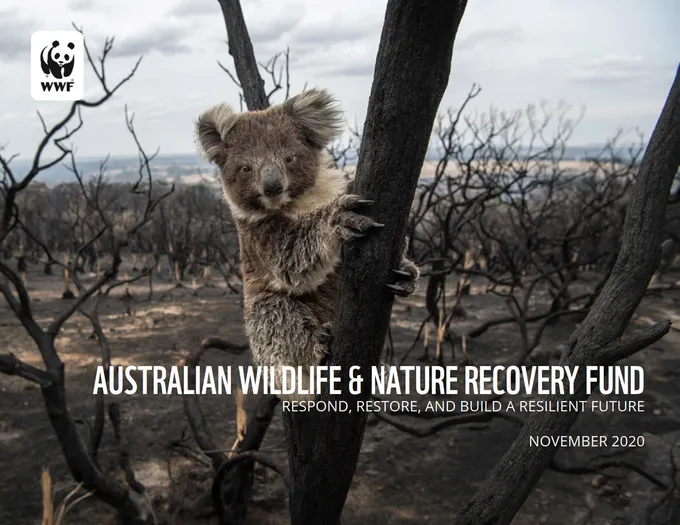
During our first phase of the WWF Australian Wildlife & Nature Recovery Fund, we responded by providing emergency support to our partner organizations on the frontlines that were rescuing and caring for the wildlife impacted by the fires. We now are shifting to the second phase of recovery, working to restore landscapes and protect wildlife. We are also laying groundwork for the third phase of our plan, building resilience for the future of Australia by cultivating multi-year, high impact investments in nature through government, business, and community partnerships.
-
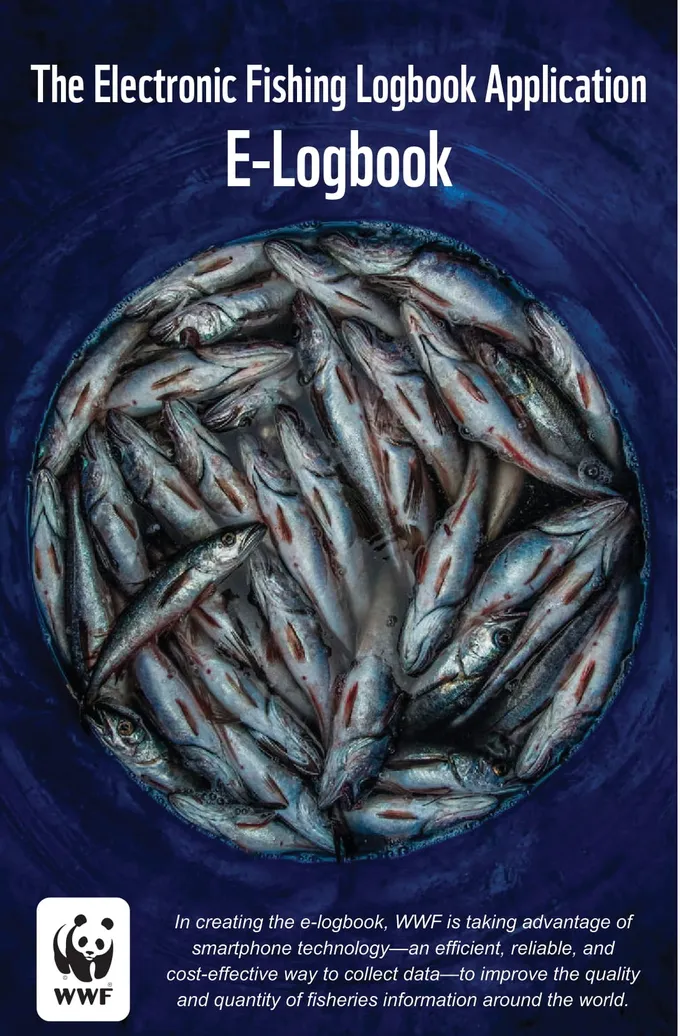
Together with fishers, authorities, researchers, and onboard observers, WWF co-designed and developed an e-logbook system that allows fishers to use their mobile devices to electronically record and transmit fishing catch and effort data. This brochure summarizes the benefits of adopting this system, the success it‚'s already seen, and future plans for implementation.
-
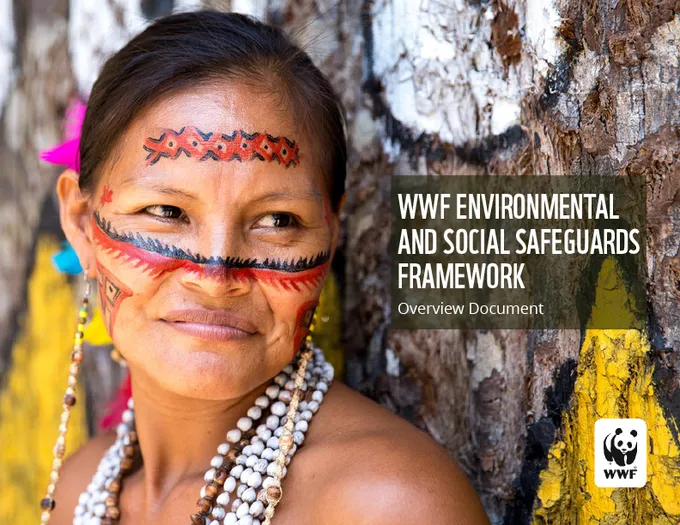
WWF‚'s Environmental and Social Safeguards Framework (ESSF) provides an institutional mechanism to manage the environmental and social risks of WWF‚'s work, helps deliver better conservation outcomes, and enhances the social well-being of local communities in the places where WWF operates. The safeguards framework is designed to address a broad range of environmental and social risks, mindful of the different challenges and needs in different parts of the world. It systematizes good governance practices to achieve human rights, transparency, nondiscrimination, public participation, and accountability, among other goals.
This document outlines WWF‚'s safeguards framework and its policies, standards, risk screening tools and planning documents, as well as the institutional arrangements that make implementation possible.
-
With thousands of hydropower dams planned across the globe, a report from WWF and The Nature Conservancy demonstrates how we can solve the world‚'s climate and energy challenge without sacrificing our remaining free-flowing rivers and the diverse benefits they provide to people and nature.
-
In this white paper, we highlight place-based river protections in three countries, including national legal mechanisms such as river designations in the United States and Norway, and environmental water reserves in Mexico.
-
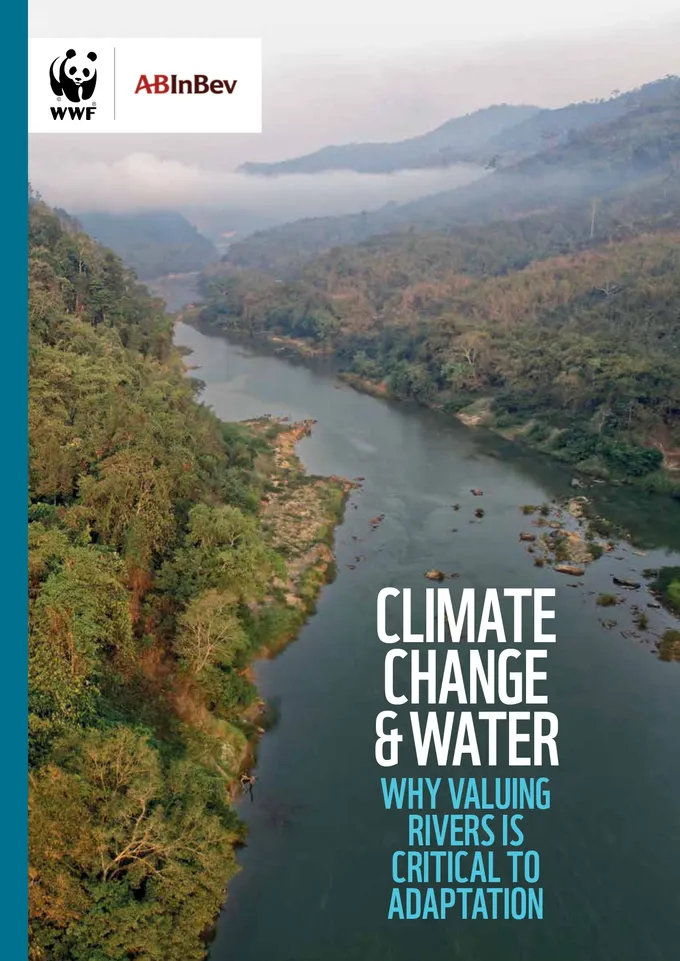
While freshwater is a major conduit through which climate impacts are felt, it can also play a central role in climate adaptation and resilience-building for people, economies, and nature. Managing water carefully through nature-based solutions is a crucial element in tackling the most serious global climate risks
-
"Follow the money" (FTM) techniques are increasingly being applied to investigate natural resource crimes and networks, but the corruption that facilitates these crimes is not often included in programs and initiatives that apply financial investigations to environmental crime. The FTM approach analyzes the illicit natural resource supply chain from a financial perspective. This mindset can be used to identify all possible financial responses to corruption from a crime prevention, detection and enforcement perspective.
For more resources, visit the Targeting Natural Resource Corruption project Knowledge Hub---
This content is made possible by the generous support of the American people through the United States Agency for International Development (USAID). The contents are the responsibility of World Wildlife Fund (WWF) and do not necessarily reflect the views of USAID, the United States Government, or individual TNRC consortium members.
-
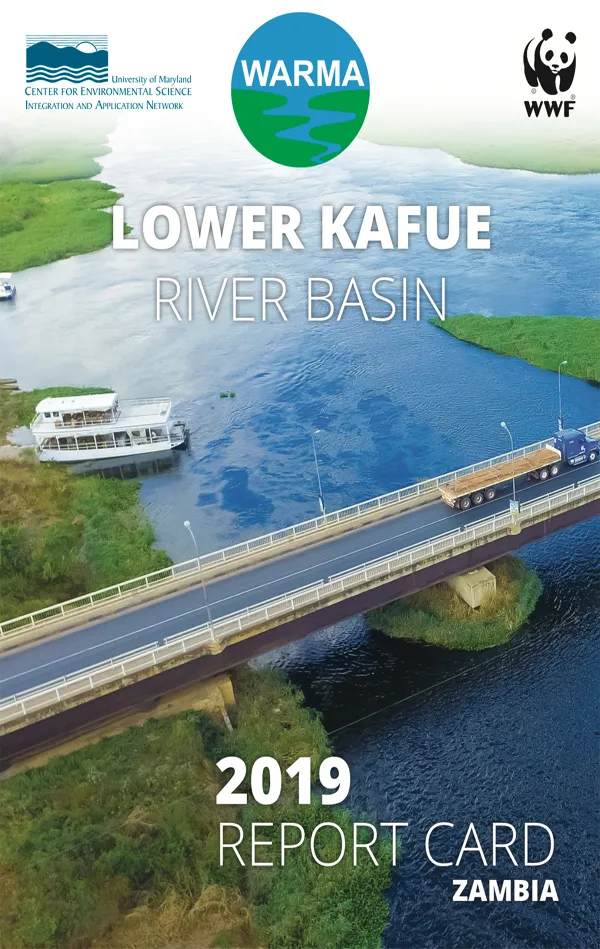
Similar to school report cards, river basin report cards provide performance-driven numeric grades or letters that reflect the status of a river basin on a regular basis. They effectively integrate and synthesize large, and often complex, information into simple scores that can be communicated to decision-makers and the general public. The Lower Kafue River Basin Report Card was created through a series of stakeholder workshops with representatives of Zambian government agencies, academic institutions, NGO representatives, community based organizations, and the private sector.