Publications
-
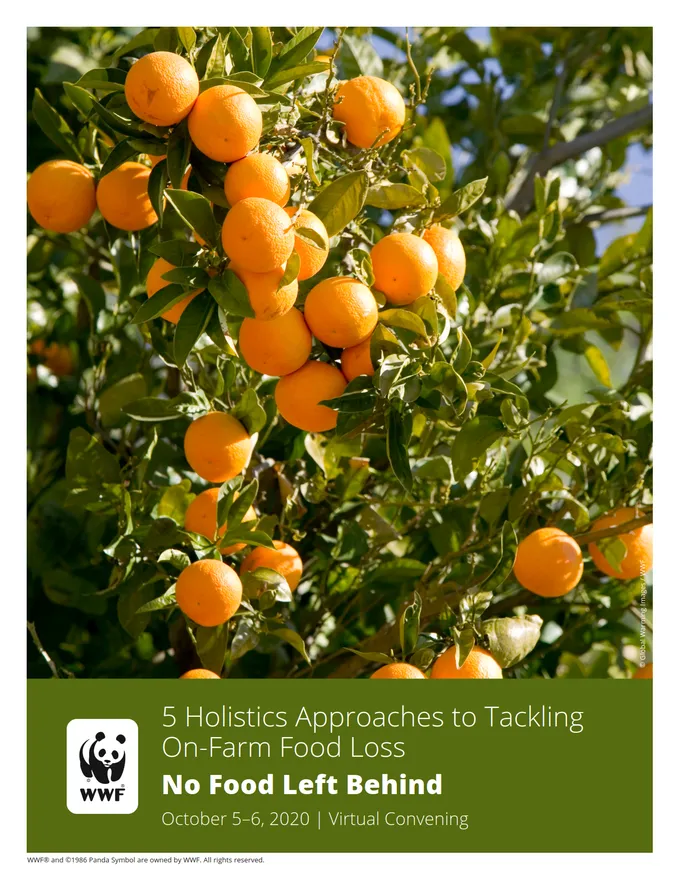
World Wildlife Fund (WWF) brought together a diverse group of produce supply chain stakeholders from across the industry at the 2020 No Food Left Behind virtual convening to develop actionable and approachable interventions to minimize produce loss and surplus‚ – both on-farm, as well as along the supply chain.
Out of the convening, attendees developed five new holistic interventions that could begin to reduce produce loss and surplus across the value chain.
-
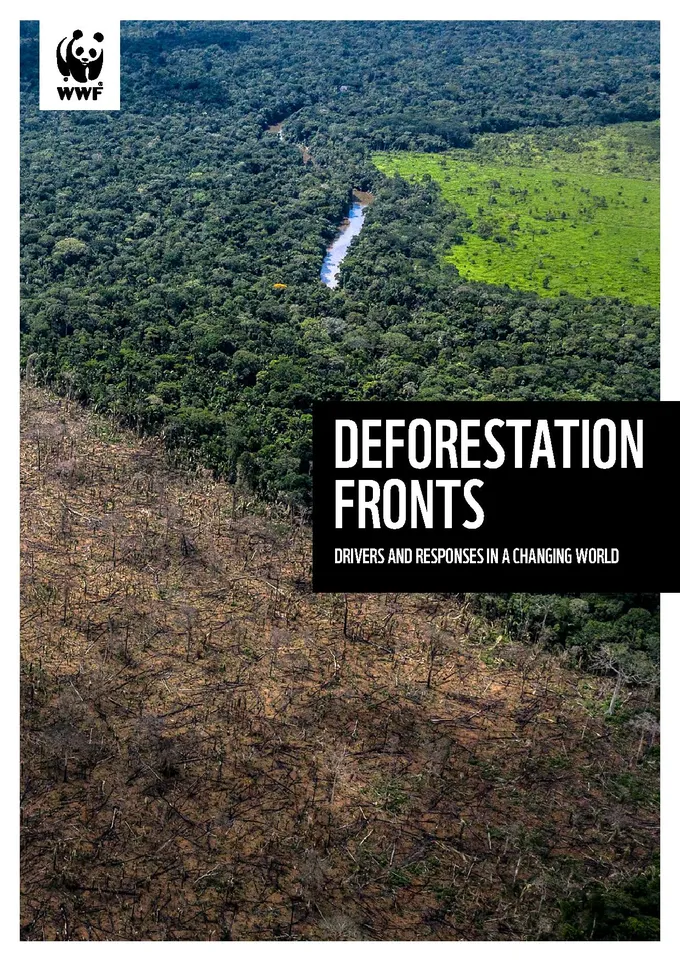
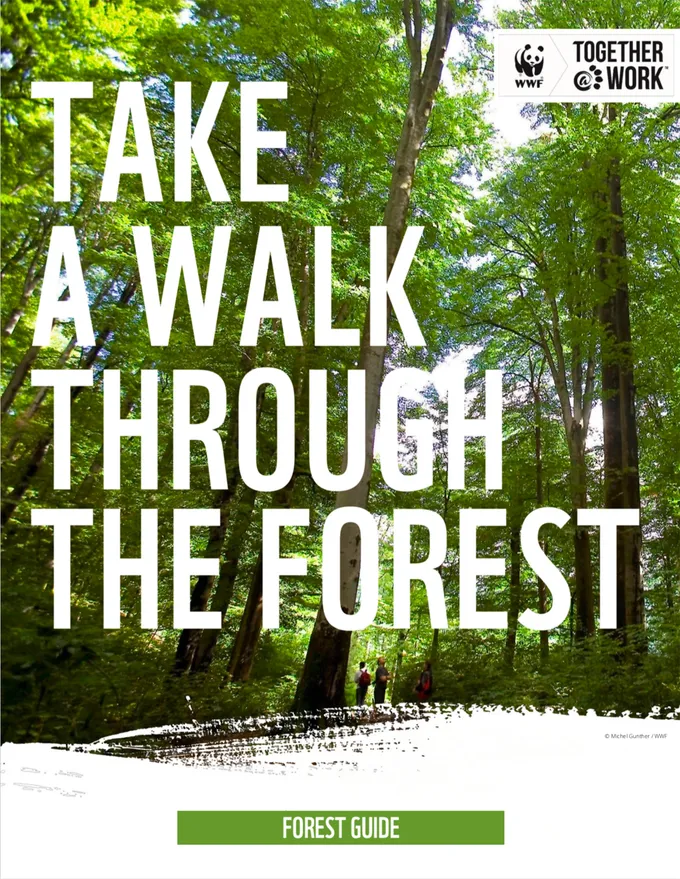
The causes, pace and magnitude of deforestation and forest degradation have changed over time. The way that different causes of deforestation link together and the effects they have on forests varies across regions. Globally, a multitude of approaches have been implemented to halt deforestation and forest degradation. While progress has been made in halting forest loss and degradation, both continue at alarming rates.
-
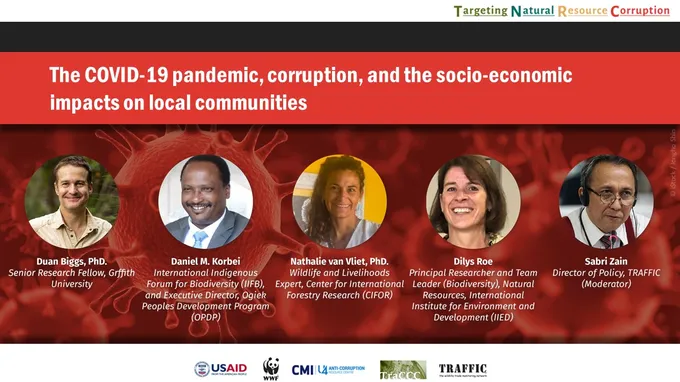
Governments are today faced with an unprecedented public health emergency that has forced them to close borders and lock down cities and communities. But as serious as the health crisis is, the pandemic is also a socio-economic crisis, with impacts that may be longer term. These impacts can include increased corruption risks, and strategies are needed to mitigate the socio-economic impacts of the pandemic in such a way as to help prevent corruption. TNRC convened a Virtual Panel on "The COVID-19 pandemic, corruption, and the socio-economic impacts on local communities" on December 14, 2020 to examine some of these impacts and mitigating strategies.
---
This content is made possible by the generous support of the American people through the United States Agency for International Development (USAID). The contents are the responsibility of World Wildlife Fund (WWF) and do not necessarily reflect the views of USAID, the United States Government, or individual TNRC consortium members.
-
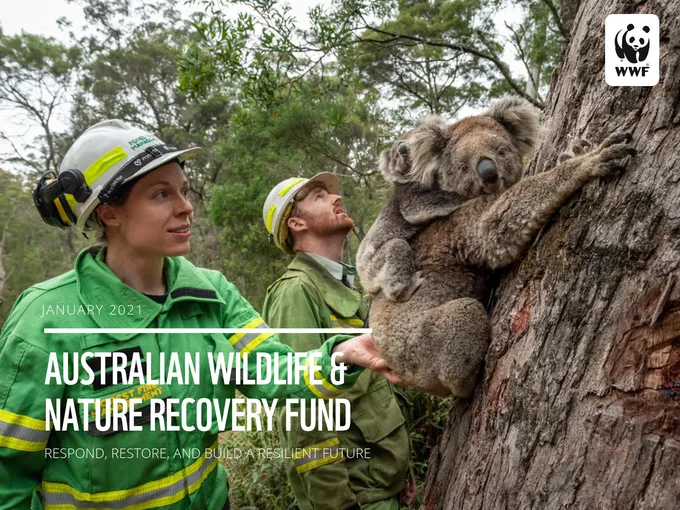
In January 2020, WWF-Australia responded to the bushfires launching the global Australian Bushfire Recovery Fund and mobilized urgent response. We could not do any of this work without the generosity of our supporters in Australia and around the world. Thanks to you, we raised $45 million for the WWF Australian Wildlife & Nature Recovery Fund.
The WWF-Australia Wildlife and Nature Recovery Fund was established with three goals:
- Respond: Respond to the needs of fire-impacted wildlife and species with urgency.
- Protect: Protect what remains and deploy interventions that mitigate the processes that will increase the frequency and severity of both current and future fires.
- Restore: Restore Australia‚'s scorched landscapes drawing upon leading climate adaptation science so that our flora and fauna can flourish, and Australians can rely on vital ecosystem services long into the future.
-
This paper introduces the Corporate Climate Mitigation Blueprint in hopes of cutting through the noise and focusing on the actions that can underpin a truly effective corporate strategy for mitigating the effects of climate change and protecting nature. This Blueprint is framed in the context of broader corporate climate efforts, and thus also highlights three additional critical elements which must be done in parallel‚ – advocating for climate policy such as carbon pricing and sector-specific incentives, collaborating with peers to achieve lasting climate progress, and improving company and ecosystem resilience in the face of global warming.
-
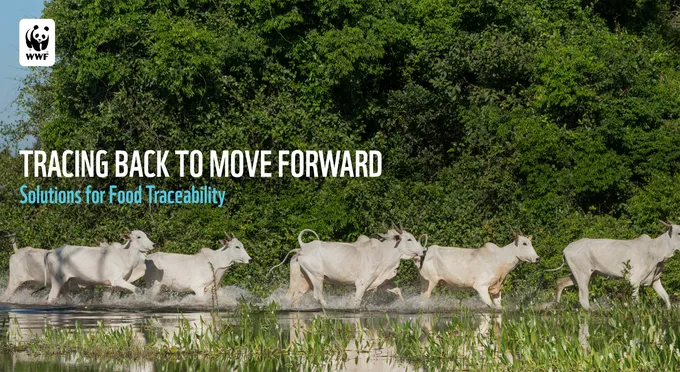
Our natural resources are critical for both people and planetary health. Increasingly complex global supply chains put a heavy strain on labor, land, water, and energy resources as companies and governments work to feed a growing global population. If resource use exceeds regeneration, natural systems will rapidly deteriorate.
-
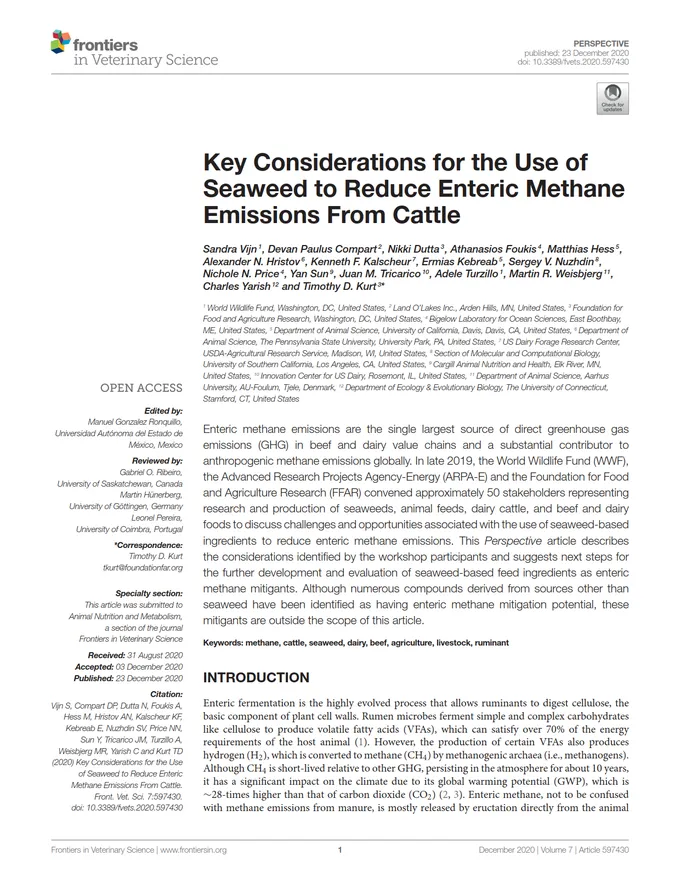
Enteric methane emissions are the single largest source of direct GHGs in beef and dairy value chains and a substantial contributor to anthropogenic methane emissions globally. In late 2019, WWF, the Advanced Research Projects Agency-Energy (ARPA-E), and the Foundation for Food and Agriculture Research (FFAR) convened approximately 50 stakeholders representing research and production of seaweeds, animal feeds, dairy cattle, and beef and dairy foods to discuss challenges and opportunities associated with the use of seaweed-based ingredients to reduce enteric methane emissions. This Perspective article describes the considerations identified by the workshop participants and suggests next steps for the further development and evaluation of seaweed-based feed ingredients as enteric methane mitigants. Although numerous compounds derived from sources other than seaweed have been identified as having enteric methane mitigation potential, these mitigants are outside the scope of this article.
-
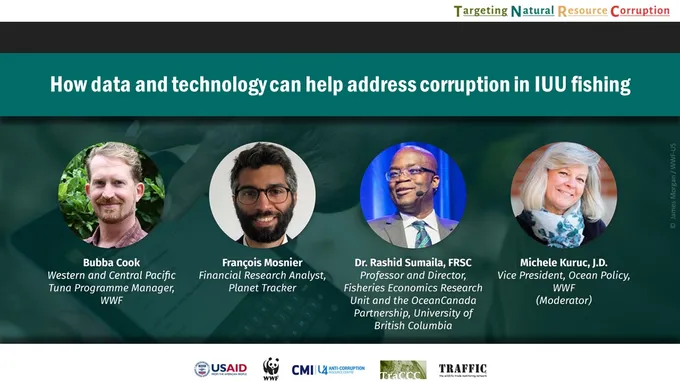
This presentation accompanied a virtual panel hosted by TNRC on December 2, 2020 to discuss the the promise and problems of using data and technology to address corruption in illegal, unreported and unregulated (IUU) fishing.
For more resources from the Targeting Natural Resource Corruption project, visit the TNRC Knowledge Hub.
---
This content is made possible by the generous support of the American people through the United States Agency for International Development (USAID). The contents are the responsibility of World Wildlife Fund (WWF) and do not necessarily reflect the views of USAID, the United States Government, or individual TNRC consortium members.
-
-
Climate change is amplifying and creating new risks for companies. As storms, droughts and heat waves become more frequent and severe, natural systems that provide the essential inputs to sustain production and ensure business continuity face ever-increasing threats. Companies must now ensure they are not only sustainable, but also "resilient" ‚ – that is able to withstand, recover from, and adapt to changes in weather and climate.
WWF‚'s practical guide illustrates steps businesses can take to help maintain profitability and social license to operate in a climate-insecure future. Rising to Resilience: A practical guide for business and nature breaks down the complex idea of planning for instability and managing change‚ – beyond the capabilities of traditional risk management‚ – and can help as companies work to ensure that investments of both time and resources are worthwhile in the long term.
The steps detailed in the guide include:
- Assessing Risk: assembling available knowledge and resources, planning for change, and developing a long-term capacity for informed, flexible management
- Developing a strategy to manage for change, not just persistence
- Implementing local solutions that are nature-friendly, responsive, and flexible
- Monitoring, evaluating, and adaptively managing
A companion guide, Rising to Resilience: How water stewardship can help business build climate resilience, provides some tools that can help businesses prepare for and respond to climate change‚'s effects on water resources‚ – the primary medium through which climate change impacts are felt. This guide, produced jointly with The Coca-Cola Company, includes a case study detailing the company‚'s water resilience pilot in Central America.