Publications
-
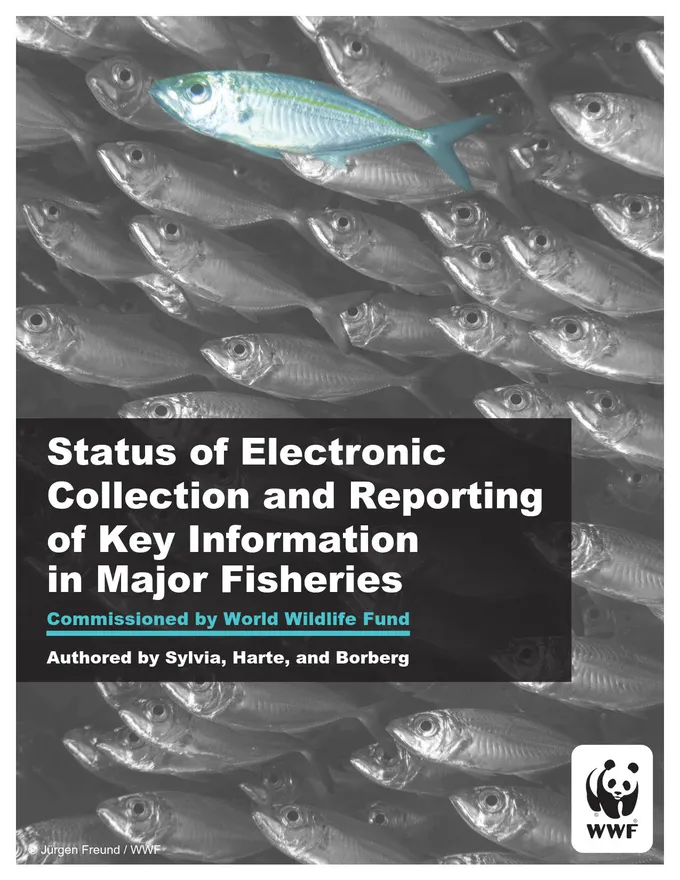
Have the world's fisheries entered the digital age? Today, best practice guides for fisheries are filled with references to all things electronic; yet, how many fisheries are utilizing these technologies in their routine operations?
This report provides an evaluation of the status of electronic collection and reporting of key fisheries and product information in major fishing nations and regions. Electronic fisheries information systems (EFIS) that allow for the accurate and verifiable collection of fisheries data‚ – and the sharing and tracing of that data from harvest through the value chain to final point of sale‚ – are slowly developing in regional, national, and global systems, in both developed and developing countries, and national and international fisheries.
-
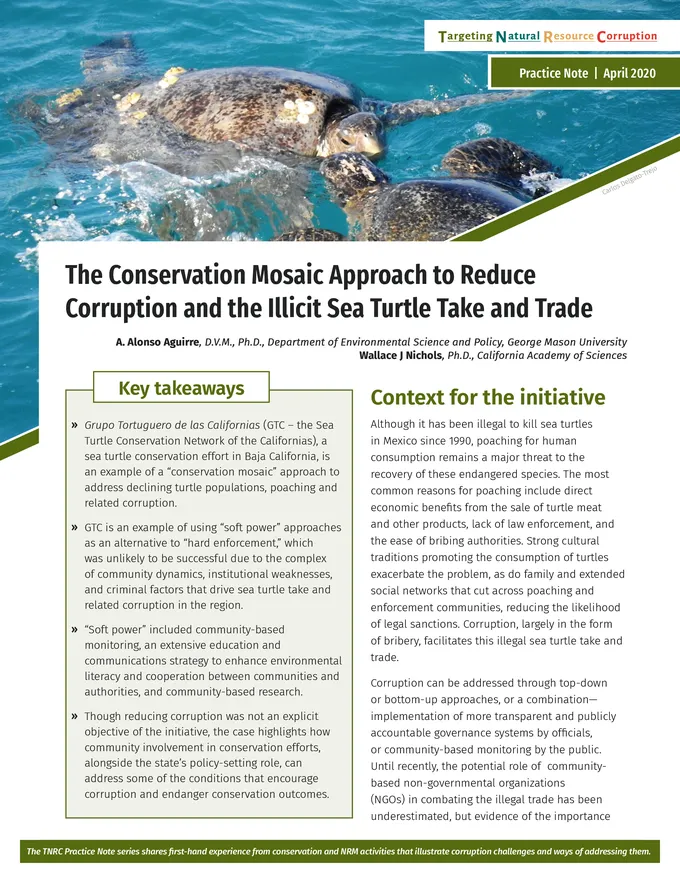
Although it has been illegal to kill sea turtles in Mexico since 1990, poaching for human consumption remains a major threat to the recovery of these endangered species. The most common reasons for poaching include direct economic benefits from the sale of turtle meat and other products, lack of law enforcement, and the ease of bribing authorities. Strong cultural traditions promoting the consumption of turtles exacerbate the problem, as do family and extended social networks that cut across poaching and enforcement communities, reducing the likelihood of legal sanctions. Corruption, largely in the form of bribery, facilitates this illegal sea turtle take and trade.
---
This content is made possible by the generous support of the American people through the United States Agency for International Development (USAID). The contents are the responsibility of World Wildlife Fund (WWF) and do not necessarily reflect the views of USAID, the United States Government, or individual TNRC consortium members.
-
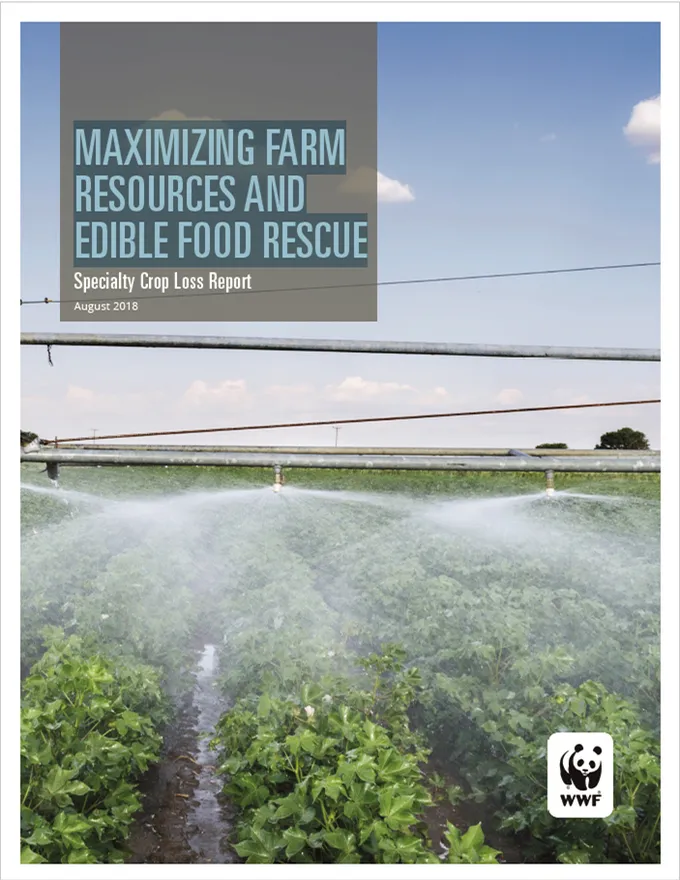
This third report in the No Food Left Behind series further examines post-harvest loss and looks at options for recovering surplus produce and decreasing loss rates. Focusing on labor as one of the main reasons farmers are often unable to harvest, the report looks for solutions that can make economic sense for growers, potentially create a new job market, and get edible, surplus food to the food rescue and recovery network.
Through an iterative human-centered design and research process, the research team asks the question of whether the agricultural industry could leverage technology and the gig-economy workforce to tackle the challenge of getting surplus produce to market.

-
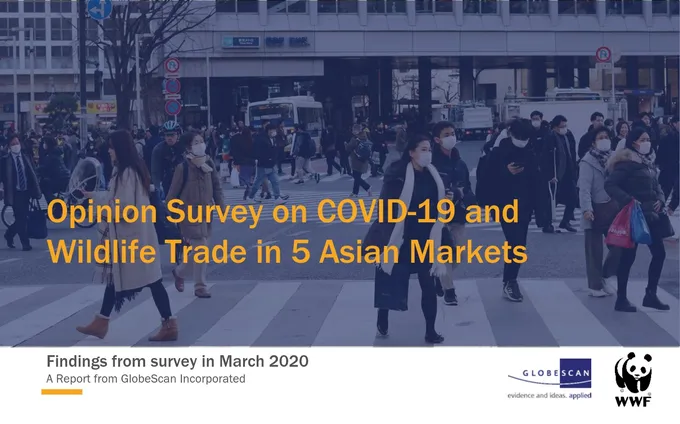
The COVID-19 coronavirus, which is suspected to have originated in Wuhan in the Hubei province of China, has become a global pandemic. With illegal and unregulated wildlife markets likely to increase the risk of outbreaks in the future, WWF commissioned GlobeScan to conduct a survey among the general public in Hong Kong SAR, Japan, Myanmar, Thailand, and Vietnam to measure and better understand opinions on what support looks like for the closure of all illegal and unregulated markets, within the context of the COVID-19 global pandemic.
Between the 3rd and the 11th of March, 2020, GlobeScan interviewed 5,000 respondents. Respondents were randomly selected and were asked about their sentiments on the coronavirus outbreak in their respective country and their opinions on illegal and unregulated markets selling wildlife. For the purpose of this survey, ‚Äòwild animals‚' were defined as non-domesticated, non-livestock terrestrial animals (non-insect and non-aquatic).
-
Last year the Amazon captured the world‚'s attention as fires tore through the world‚'s largest rain forest. This report outlines what enabled these fires, and what actions WWF and partners have taken to aid in response and recovery.
-
Nature-based Solutions are varied approaches to address a wide range of challenges for society, while also benefiting people and nature. Recently, Nature-based Solutions have emerged as essential tools to support broader efforts to reduce greenhouse gas emissions and adapt to the impacts of climate change.
-
-
-
Tuna are among the world's most commercially valuable fish. This strong global demand for tuna and the overcapacity of fishing fleets will likely cause stocks of the seven major commercial tuna species to decline if management strategies are not improved. While WWF has primarily engaged in sustainability efforts with major global tuna brands, retailers and consumers, the G-FAST model aims to improve sustainability practices from the very beginning of the supply chain through directly engaging with tuna fishing vessel owners.
-
This report outlines the research methodologies and technical research of WWF's No Food Left Behind: Underutilized Produce Ripe for Alternative Markets including a discussion of results featuring voices from the field and quantification of the environmental impacts of loss.
Revision updated as of March 09, 2020