Publications
-
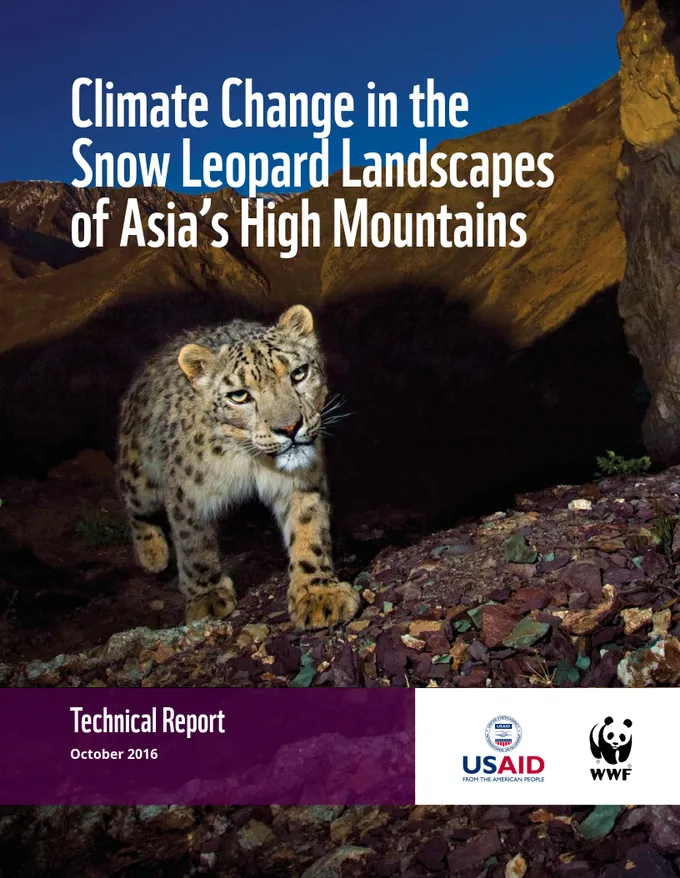
A report summarizing findings of future climate projection modelling for WWF Asia High Mountains Project field sites in Bhutan, India, the Kyrgyz Republic, Mongolia, Nepal and Pakistan. Findings of this work have been used to develop future climate scenarios for these areas that are guiding development of climate adaptation strategies at each site. (38 page Technical Report)
-
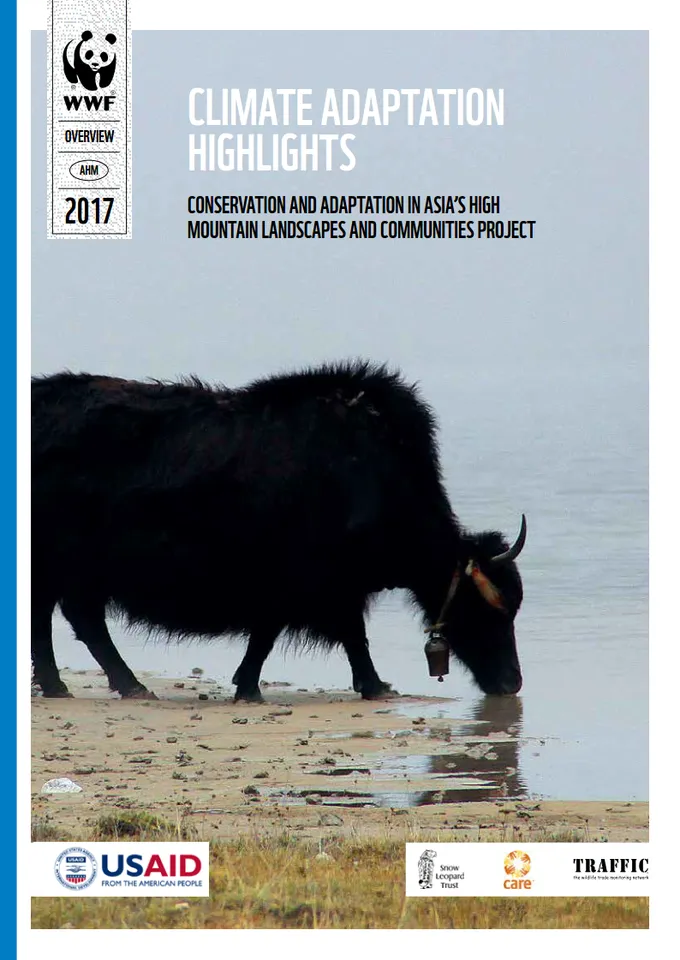
An overview of highlights from WWF Asia High Mountains Project climate adaptation field activities in Bhutan, India, Kyrgyzstan, Mongolia, Nepal, and Pakistan. Also includes highlights of WWF’s range-wide climate and hydrological modelling work for snow leopard habitat. (14 page Brochure)
-
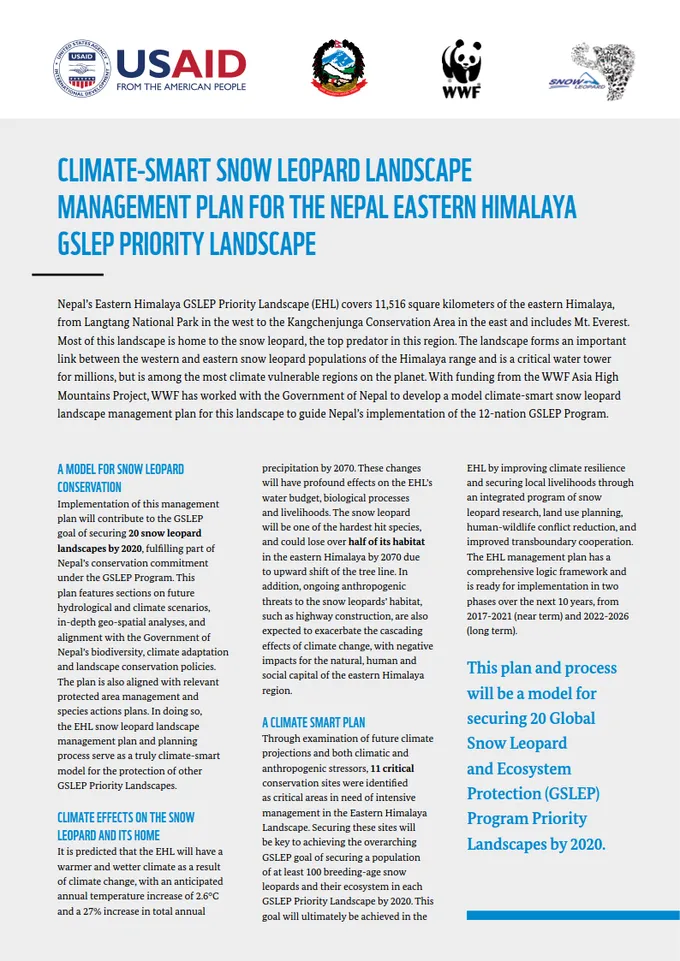
A quick look at the Government of Nepal’s climate-smart snow leopard landscape management plan for Nepal’s Eastern Himalaya Global Snow Leopard and Ecosystem Protection (GSLEP) Program priority landscape. This is the first landscape management plan to be launched under the GSLEP Program and a major milestone in achieving the GSLEP goal of securing 20 snow leopard landscapes by 2020. This plan will also be used as a model for replication by other snow leopard range states. (2 page Brochure)
-
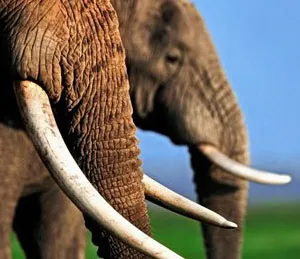
As a landmark ban on domestic elephant ivory trade comes into effect in China , TRAFFIC and WWF commissioned the largest-ever ivory consumer research by GlobeScan, an independent research consultancy, to discover the nature of ivory consumption in 15 surveyed cities with relatively active ivory markets in China. This research aimed to identify the underlying factors influencing ivory consumption, people’s attitude toward the complete domestic ban on commercial ivory trade, and consumers’ perception toward campaign messages.
-
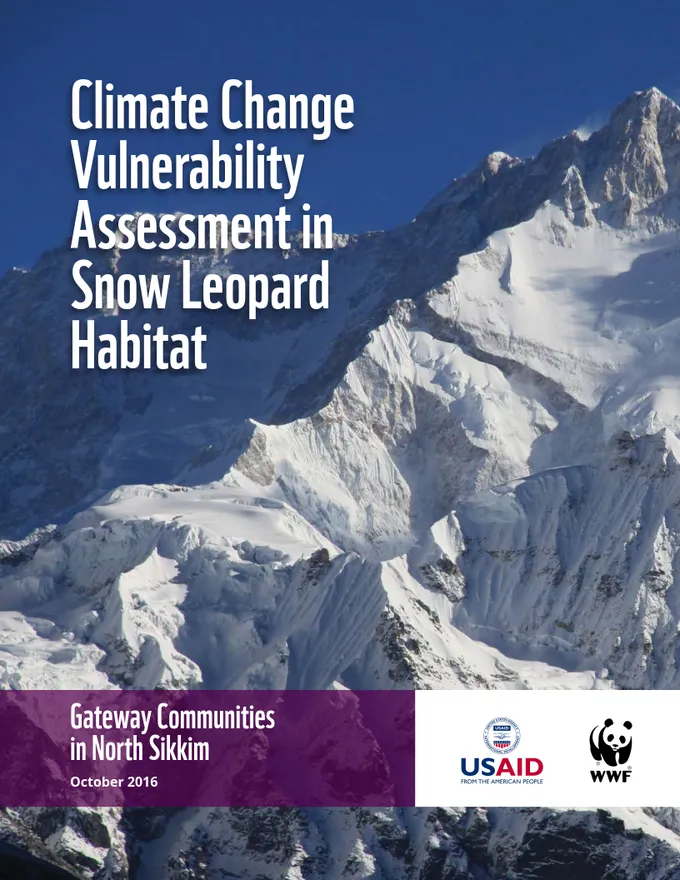
Climate Change Vulnerability Assessment in Snow Leopard Habitat: Gateway Communities in North Sikkim
A climate vulnerability assessment for the Asia High Mountains Project region of North Sikkim, India. The vulnerability assessment focuses on the upper catchments of the Teesta River basin around the villages of Lachen and Lachung, which are the gateway communities to snow leopard habitat in this region. This assessment identifies drivers of vulnerability, prioritizes the most vulnerable systems for action, and proposes initial actions to reduce their vulnerability or enhance their resilience to the impacts of climate change. (62 page Technical Report)
-
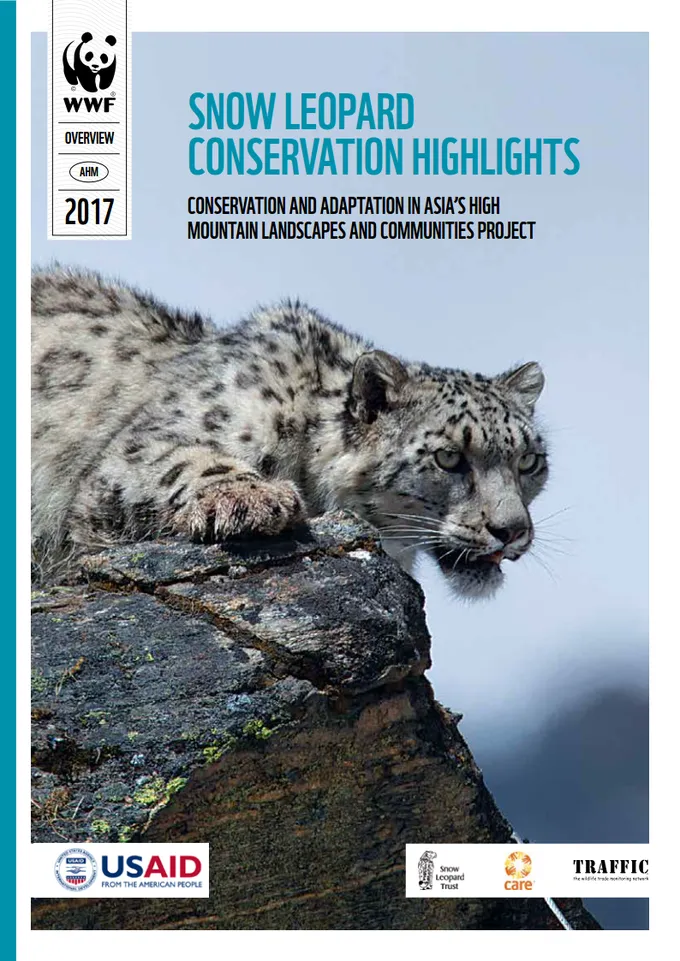
An overview of the global contribution to snow leopard research and conservation achieved through WWF’s Conservation and Adaptation in Asia’s High Mountain Landscapes and Communities (AHM) project, funded by USAID. Find out how this project provided new insights into the elusive snow leopard and how these findings rallied the global community to do more to save this iconic cat.
-
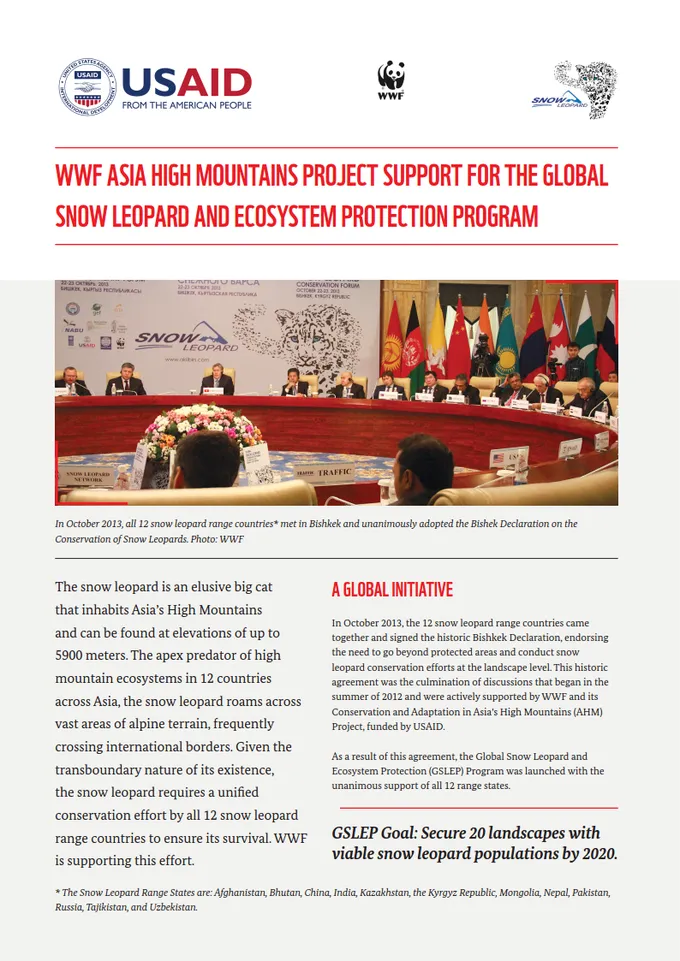
WWF Asia High Mountains Project Support for the Global Snow Leopard and Ecosystem Protection Program
An overview of WWF Asia High Mountains Project support for the 12-nation Global Snow Leopard and Ecosystem Protection (GSLEP) Program from 2012-2017. This program was launched with the 2013 Bishkek Declaration on Snow Leopard Conservation and has the goal of securing 20 snow leopard landscapes by 2020. WWF support has included both logistical support for holding GSLEP events and technical support for preparing climate-smart snow leopard landscape management plans. (4 page Brochure)
-
This report highlights the importance of securing biologically rich tiger landscapes, which not only provide protection for the remaining wild tiger population, but also harbor critically important goods and services that millions of people rely on. Ranging from the world‚'s largest mangrove forests to temperate forests and snowy mountains, these landscapes mitigate climate change, safeguard freshwater, and reducing the impact of disasters.

-
WWF Bolivia together with ADVANCE, a partnership between WWF US and the Center for Climate Systems Research at Columbia University (CCSR), developed climate change risk scenarios for Manuripi Reserve and the Madre de Dios basin, to be incorporated into the strategic guidelines for the management of the Manuripi National Wildlife Reserve, Bolivia. In October of 2017, a workshop was held in Cobija, Bolivia with local actors and institutions to analyze these scenarios, identify climate change risks to Manuripi and develop climate adaptation strategies for local communities.

-