Publications
-
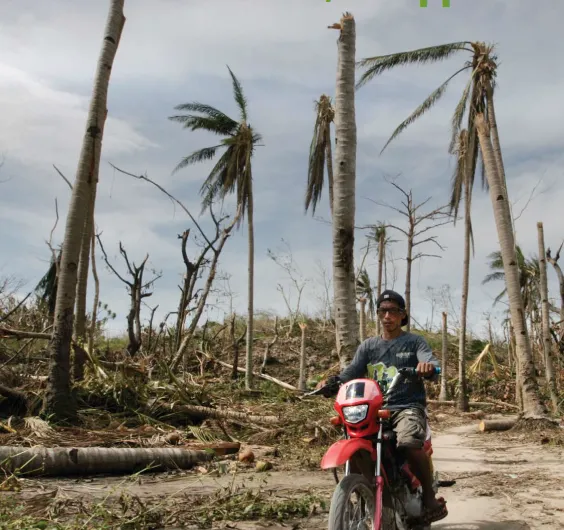
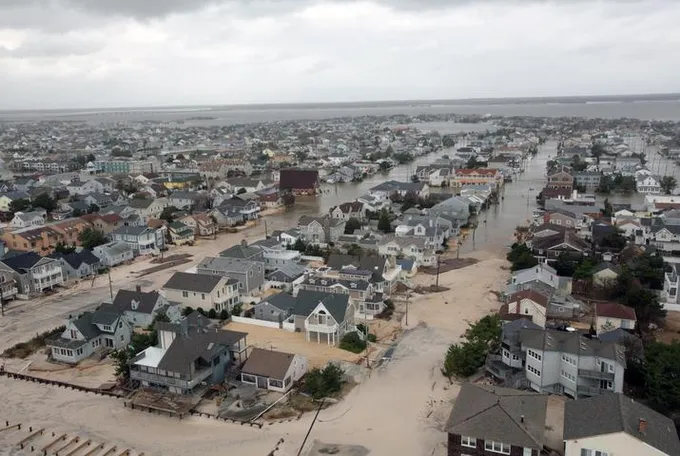
The GRRT is a toolkit and training program designed to increase awareness and knowledge of environmentally responsible disaster response approaches. Although disasters wreak havoc, the rebuilding efforts that follow represent a significant and important opportunity to restore communities in a more environmentally and socially responsible way. Humanitarians, conservation practitioners, government officials, local communities, and donor organizations can take steps to ensure communities prepare for disasters and build back safer by actively addressing environmental sustainability, reducing risk and vulnerability to future disasters, and adapting to the effects of our changing climate.
Learn more: http://envirodm.org/green-recovery
-
-
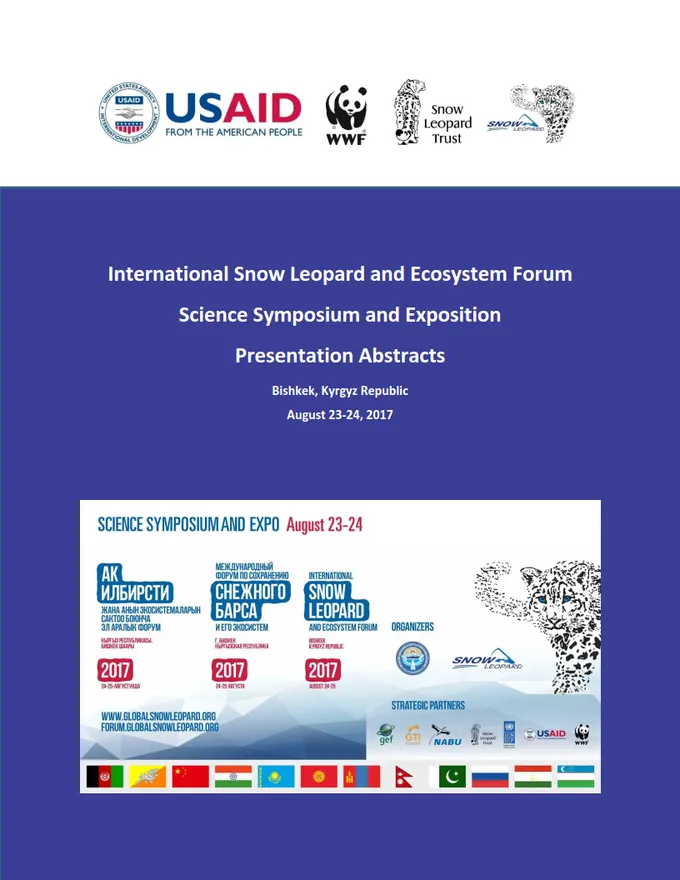
The International Snow Leopard and Ecosystem Forum Science Symposium and Exposition was held at the Hyatt Regency and Jannat Regency Hotels in Bishkek, Kyrgyz Republic from August 23-24, 2017. The symposium featured expert presentations on current topics in snow leopard research and conservation. This publication contains abstracts of presentations given at the symposium. (53 page Symposium Proceedings)
-
A TRAFFIC report has exposed a disturbing new shift in the illegal trade of African rhino horn. Highly adaptive, transnational criminal networks operating in Southern Africa have begun processing rhino horn locally to evade detection by enforcement agencies and supply ready-made products to seemingly insatiable consumers in China and Vietnam. Urgent steps must be taken to avoid a further boost to the existing African rhino poaching crisis.
-
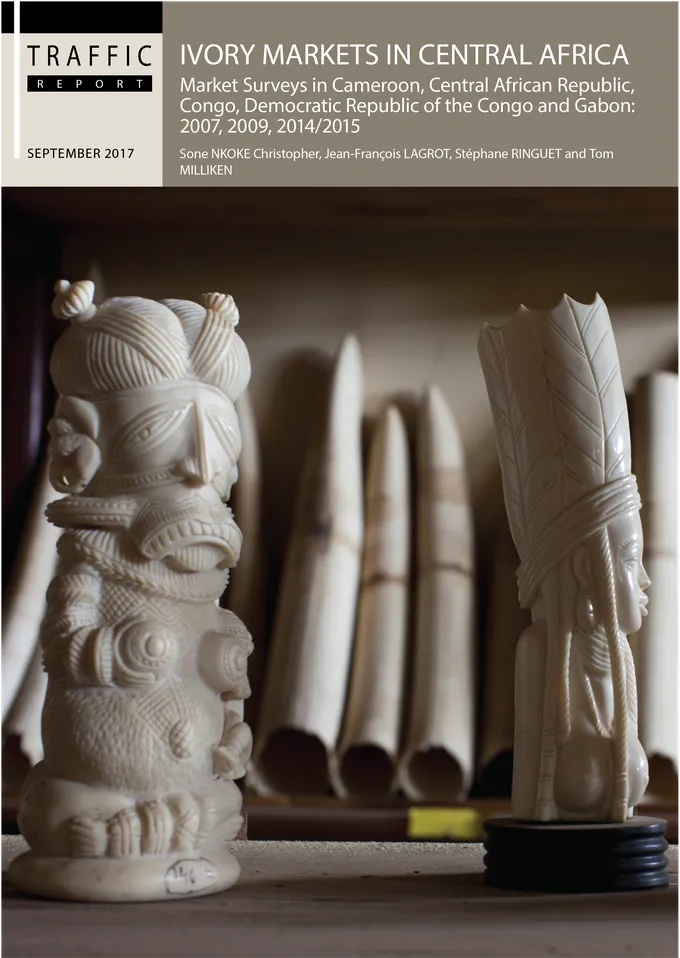
TRAFFIC, through the USAID-funded Wildlife Trafficking Response Assessment and Priority Setting (Wildlife TRAPS) Project, the French Government and WWF, has released a new report, Ivory Markets in Central Africa, which reveals how weak governance, corruption and shifting trade dynamics are undermining the control of elephant ivory trafficking throughout five countries in Central Africa. During the study, investigators from TRAFFIC visited major cities across Cameroon, Central African Republic (CAR), Congo, Democratic Republic of the Congo (DRC) and Gabon in 2007, 2009 and 2014/2015, establishing the first comprehensive assessment of ivory trade in the region in nearly two decades.
-
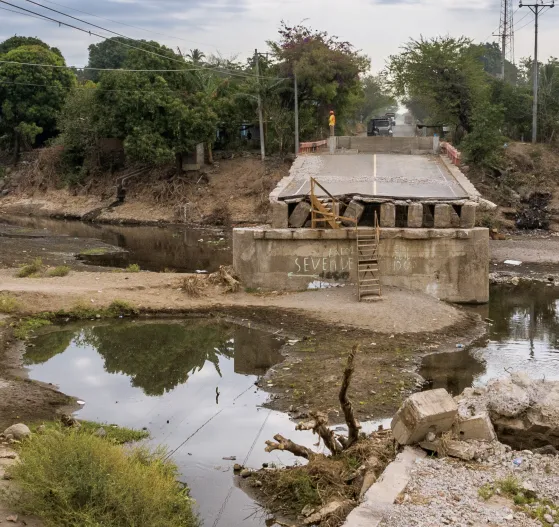
Water-related challenges in El Salvador have acquired far greater significance over the past decade as they have intersected with other social problems including migration, criminal violence, and drug trafficking. When combined, these factors pose threats to domestic and regional stability. Damaging heavy rains, droughts, and rising temperatures are exacerbated by steadily intensifying El Niño oscillations and threaten the production of staple and export crops. The declining viability of rural livelihoods is driving many farming families to migrate to urban centers or across borders. Food security is a constant concern across the region, and millions already rely on humanitarian assistance. Infrastructure has been damaged repeatedly by floods and raging rivers. El Salvador can mitigate many of these risks by employing ecological landscape restoration. Improving the soil’s capacity to retain and regulate water will help maintain both agricultural and ecological viability.
-
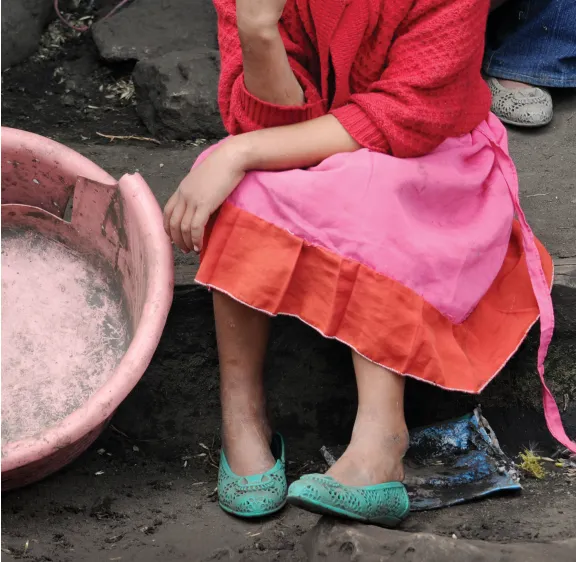
Water is a relatively ungoverned resource in Guatemala. No centralized governing body or legislation exists to manage water, and many rural communities believe the government is ignoring the fact that their freshwater resources are stolen and poisoned by special interests. Commercial plantations, mining operations, and hydropower projects generally have priority access to freshwater resources, jeopardizing rural livelihoods. Rural populations already enduring systematic exclusion are left even more vulnerable and poor, and some are responding by organizing, protesting, or migrating. Water management is the key to addressing many problems in Guatemala and in Central America. Eduardo Stein, the country‚'s former vice president, has said, "Water security can be a privileged means for promoting democratic governance, strengthening food security and environmental resilience, and reducing agricultural and energy risks. Moreover, water governance and management must be considered fundamental elements of a security strategy."
-
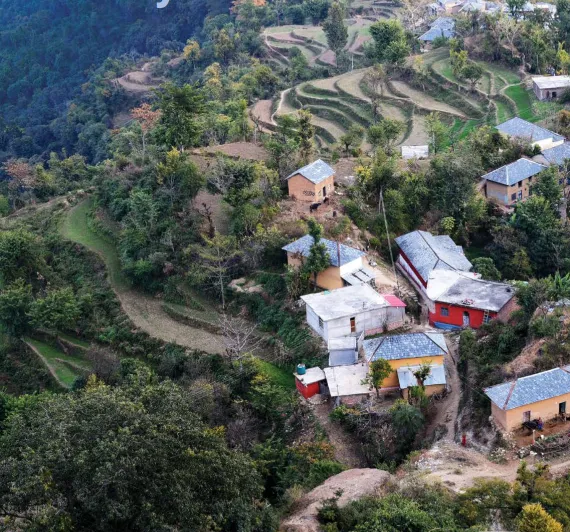
The region at the base of the Himalayas faces difficult tradeoffs when allocating freshwater resources for energy production versus agricultural, industrial, and domestic uses. This is one of the most ecologically unstable areas on Earth, and weather patterns are becoming increasingly irregular. On one end of the spectrum, water shortages frequently disrupt energy production, which depends largely on water-intensive coal and hydropower plants. The opposite extreme is also a factor: Dozens of hydropower plants in the Himalayas have been damaged or destroyed by severe floods caused by unusually heavy rainfall in recent years. Construction of new power plants faces increasing resistance from local communities, resulting in social disruptions and instability. In order to ensure both energy security and water security for their countries, governments must look beyond hydropower and coal.
-
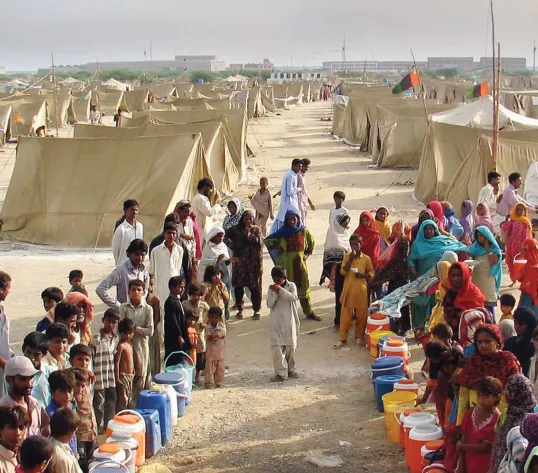
Pakistan currently faces a water security crisis with serious social and economic repercussions. Water shortages are causing social unrest in Karachi and elsewhere, making governance increasingly difficult. Economic growth is limited because water resources are insufficient to supply competing sectors. Water is also a source of transboundary conflict with India, which controls the flow of the Indus River into Pakistan. All of these conditions serve to destabilize Pakistan and to provide fertile ground for insurgency. This chapter considers some of the root causes of water insecurity in Pakistan: poor groundwater management and monitoring; overreliance on dams as the sole water management solution; and lack of control over riparian freshwater sources. The authors propose a comprehensive groundwater policy, soft engineering solutions like wetlands as natural flood buffers, and reopening conversations about the terms of the Indus Basin Water Treaty as first steps toward improving Pakistan’s water security.
-
The Philippines faces a breadth of social and environmental challenges that threaten its economic and political stability. A long history of violent conflict stemming from ethnic, religious, and political tensions is further complicated by changing weather patterns that cause severe drought and damaging storms. Millions of people in Mindanao have been displaced by violence and extreme weather events, and their migration from rural areas leaves room for the expansion of terrorist groups that threaten regional stability. The United States currently has strong trade and cultural ties to the Philippines, and U.S. Pacific Command operates military facilities on the islands. This chapter examines the stakes for U.S. interests in Mindanao, and recommends a security approach that combines defense, diplomacy, and development efforts to promote improved governance, social stability, and climate resilience.