Publications
-
-
The current elephant poaching crisis costs African countries around $25 million annually in lost tourism revenue, according to a new study published in the journal Nature Communications. Comparing this lost revenue with the cost of halting declines in elephant populations due to poaching, the study determines that investment in elephant conservation is economically favorable across the majority of African elephants‚' range.
-
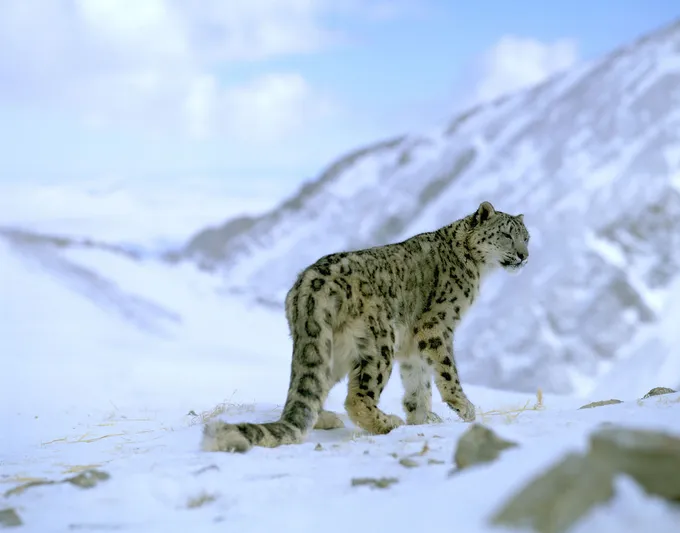
This edition of the Asia High Mountains (AHM) newsletter summarizes project-related activities celebrating Snow Leopard Day. Included as a feature is the release of the first snow leopard population count in Bhutan.
-
The Living Planet Report, produced every two years by WWF, is a comprehensive study of trends in global biodiversity and the health of the planet. By providing an overview of the state of the natural world, human impacts and potential solutions, it aims to support governments, communities, businesses and organizations to make informed decisions on using and protecting the planet‚'s resources.
-
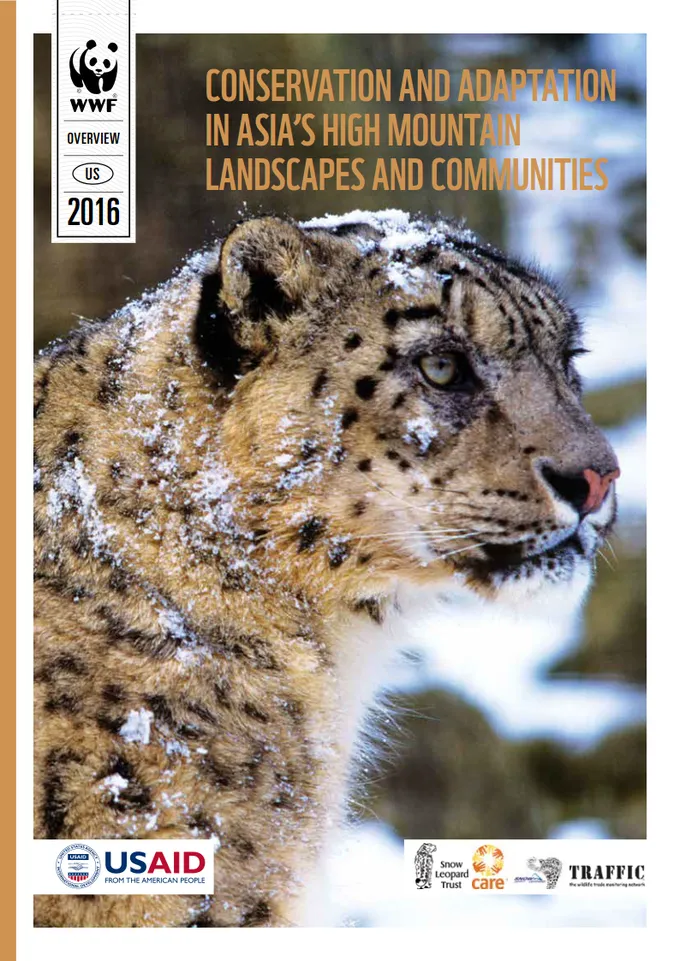
An overview of WWF Asia High Mountains Project snow leopard research, community conservation, climate adaptation, and livelihood work at project sites in Bhutan, India, Kyrgyzstan, Mongolia, Nepal, and Pakistan. Also includes a brief overview of WWF support for the Global Snow Leopard and Ecosystem Protection (GSLEP) Program. (18 page Brochure)
-
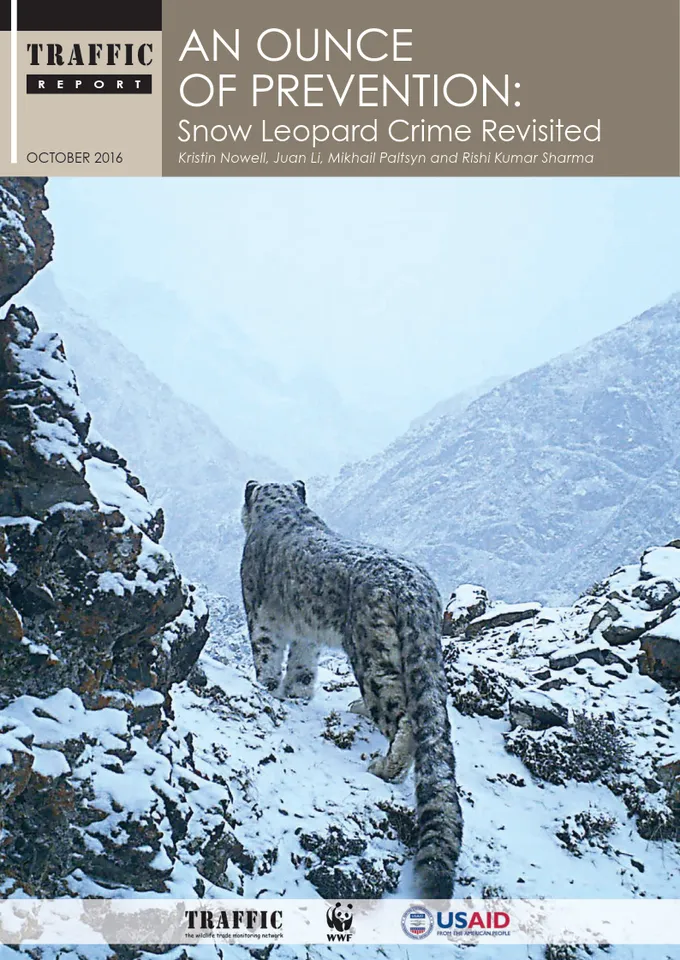
Snow Leopard poaching and trafficking is revisited 13 years after TRAFFIC's 2003 report on this subject, Fading Footprints: The Killing and Trade of Snow Leopards. This report summarizes range-wide research on snow leopard crime covering the period from 2003-2016 and addresses major information gaps concerning the linkage between retaliatory killing for livestock depredation and the commercial trade in snow leopard parts. (55 page Technical Report)
-
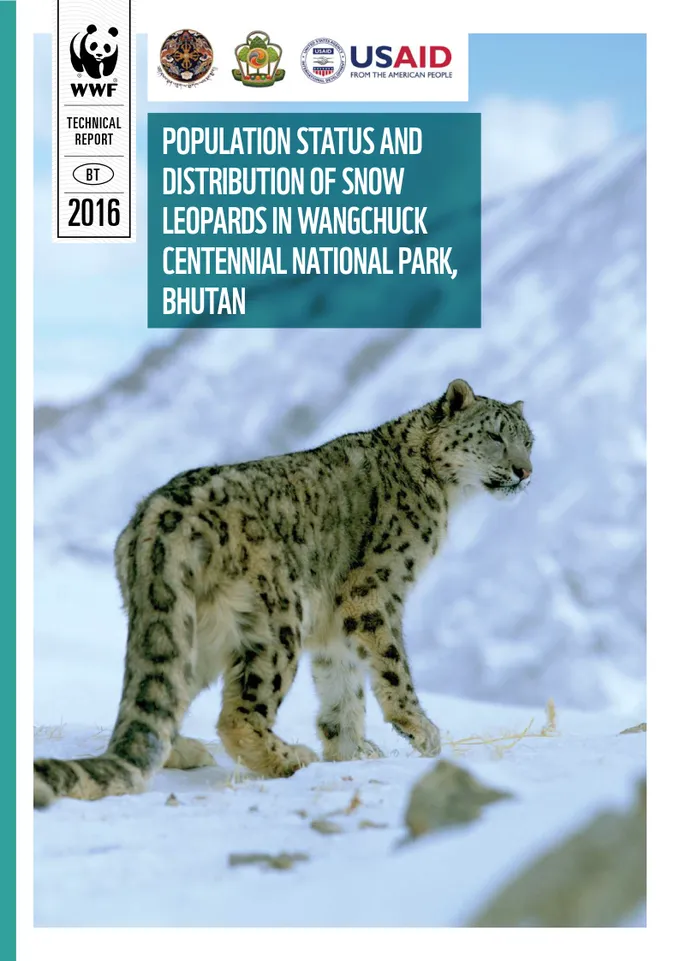
A report on findings of the WWF Asia High Mountains Project-supported 2012-2014 snow leopard camera trap survey of Wangchuck Centennial National Park in Bhutan. This was the first systematic snow leopard survey in WCNP and provides the first estimates of snow leopard population size, density, and distribution in Bhutan’s largest protected area. (35 page Technical Report)
-
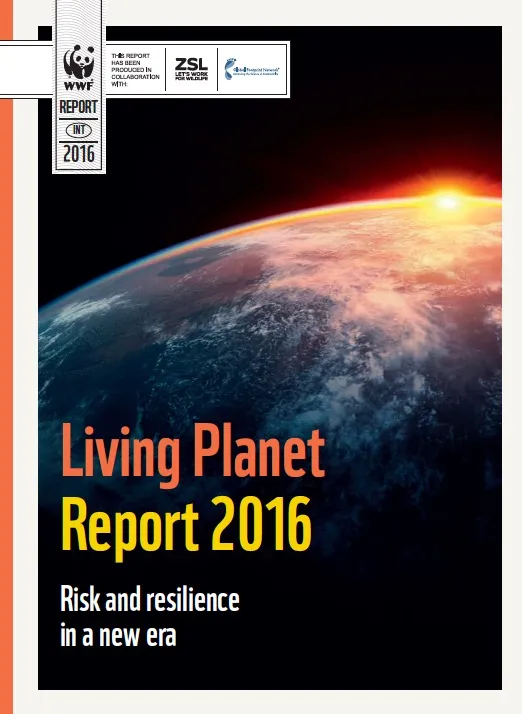
Evidence in WWF's 2016 Living Planet Report finds wildlife populations have shown a concerning decline, on average by 58 per cent since 1970.
-
Offshore oil and gas drilling in the Arctic is a disastrous idea. It would lead to the release of millions of tons of CO2 into the atmosphere at a time when we should be cutting emissions. There‚'s also the near-certain risk of spills. This infographic lays out the detailed case for keeping the oil under the sea.
-