Publications
-
Climate change is already changing the Arctic, and current carbon reduction commitments will not be enough to stop this transformation cold. Instead, world leaders must focus on helping the region adapt and accelerate a reduction in carbon dioxide in the atmosphere. That‚'s the finding of an expert workshop held in July 2016 at The Columbia Climate Center, in partnership with World Wildlife Fund, Woods Hole Research Center, and Arctic 21. This paper summarizes the outcomes of this workshop and highlights how world leaders can move forward.
-
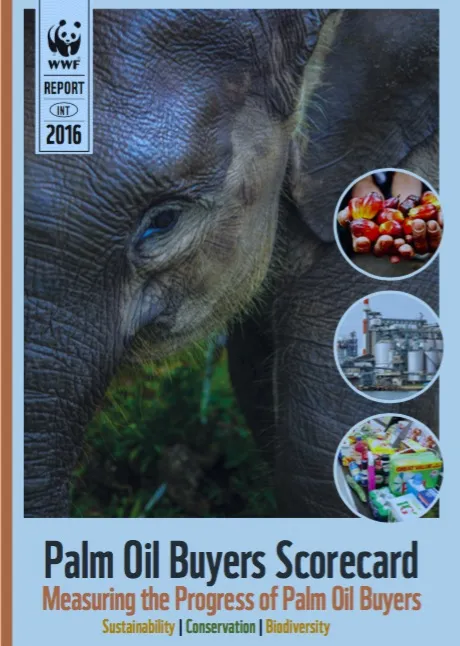
How are your favorite brands doing in the quest for sustainable palm oil?
Palm oil is in everything from margarine to lipstick, but producing it irresponsibly can devastate forests, communities, and the climate. It’s also threatening endangered species in Indonesia and Malaysia, including elephants, tigers, rhinos, and orangutans.
We’ve scored 137 companies on their use of certified sustainable palm oil, which is grown in ways to limit greenhouse gas emissions, preserve forests and fresh water, and protect wildlife. See which brands are taking action and which are falling short.
You can also check out our interactive version , which includes tools that you can use to urge these companies to support the production of sustainable palm oil.Is palm oil good or bad?
Palm oil is the world’s most popular vegetable oil, used in about half of the products on supermarket shelves. In tropical environments, it grows easily and is more efficient than soy, canola, and other plants.The bad news: Its popularity has spurred the rapid and uncontrolled expansion of palm oil plantations across the forests of Indonesia and Malaysia and, increasingly, the jungles of Africa and Latin America.
The good news: The Roundtable on Sustainable Palm Oil certifies more than 20 percent of the global palm oil supply. Certification means the oil is produced in ways that conserve natural resources and protect the forests and rivers that wildlife call home.How you can help:
Look for the RSPO label to ensure you purchase products made with certified sustainable palm oil. This label gives you the confidence that the palm oil was produced in a socially and environmentally responsible way. Can't find the RSPO label? Look for the Green Palm label! This label indicates products in support of the transition to certified palm oil. Proceeds from Green Palm certificates help growers fund the transition to sustainable palm oil.Most packaged products are labeled with their companies’ contact information. Call or write the company and urge them to use certified sustainable palm oil.
-
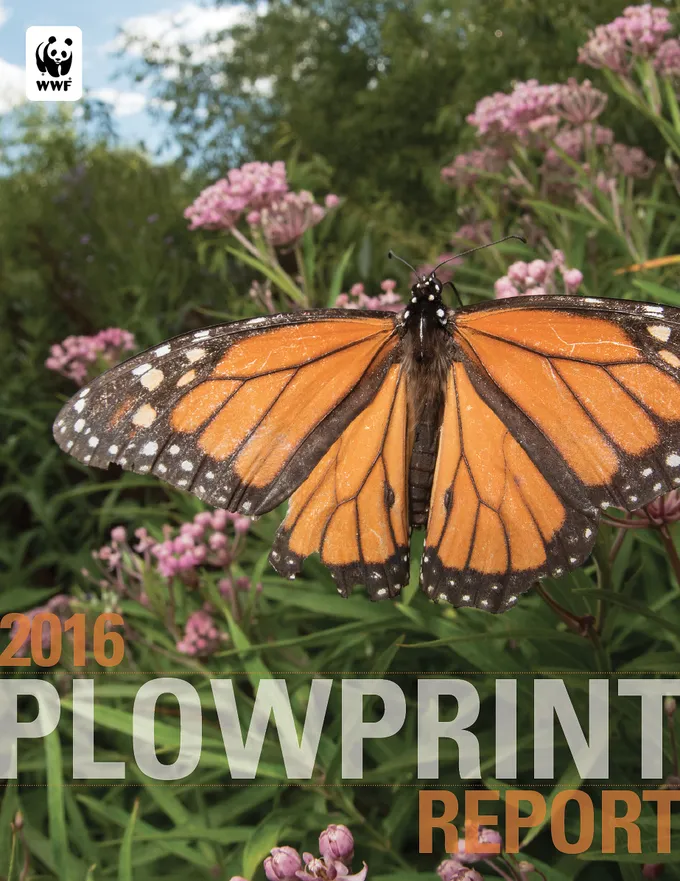
The Plowprint Report, which includes both a general information and technical version, has been developed to broaden public awareness of grasslands loss, and to offer a consistent way for the conservation community to track year-to-year grassland conversion to cropland across the focal regions of the Mississippi River Basin and Great Plains. This is the first edition of the report, which will be released on an annual basis.
-
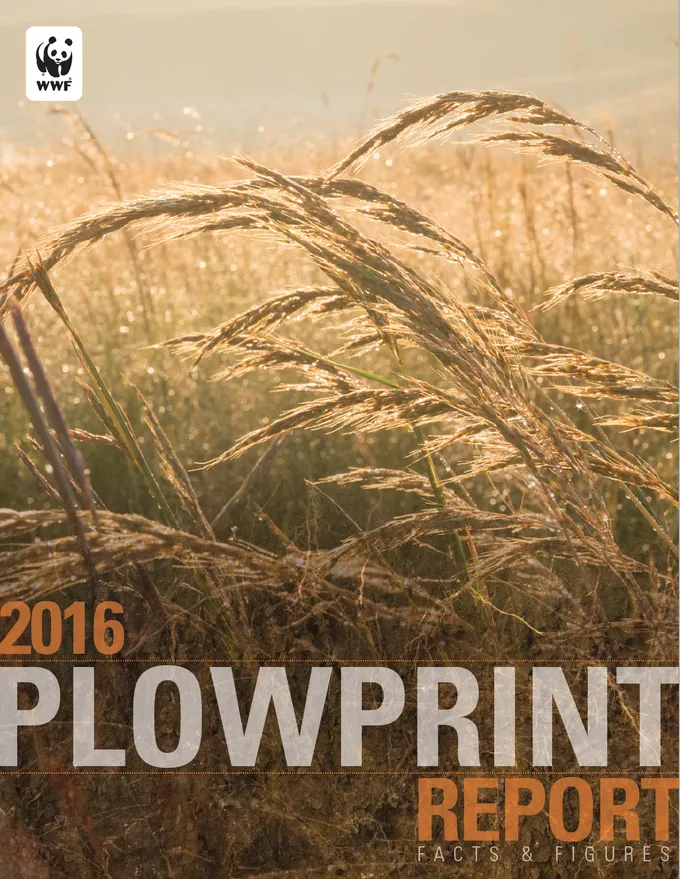
The Plowprint Report, which includes both a general information and technical version, has been developed to broaden public awareness of grasslands loss, and to offer a consistent way for the conservation community to track year-to-year grassland conversion to cropland across the focal regions of the Mississippi River Basin and Great Plains. This is the first edition of the full technical report, which will be released on an annual basis.
-
A new report from WWF highlights important signs that an unstoppable global energy transition is underway. The report notes that the recently agreed Paris Agreement on climate change draws a line in the sand for the transformation of the world‚'s energy system into a clean and sustainable form.
-
With our partners at University of Maryland's Center for Environmental Science, WWF is producing, packaging, and sharing a process that can mainstream report card development in basins around the world. By developing report cards in a variety of basins, we can move closer to our goal of securing fresh water for people and nature.
-
Since CoP16, international momentum has been building against wildlife crime, with a raft of global declarations and commitments to tackle poaching and wildlife trafficking. CoP17 represents an opportunity to put these commitments into action through strong measures on wildlife crime, corruption, demand reduction and compliance.
-
Societies have gone to extraordinary efforts to harness the power of rivers. The world is now poised to double the global hydropower capacity by 2040, along with continued expansion of associated infrastructure rivers. Governments, communities, companies, and conservation organizations are seeking ways to ensure that this development can meet needs for energy and water while maintaining healthy rivers.
-
Since CoP16, international momentum has been building against wildlife crime, with a raft of global declarations and commitments to tackle poaching and wildlife trafficking. This report outlines WWF's stance on African elephant issues at CoP17.
-
The Alliance for Water Stewardship (AWS) led a mutli-stakeholder process to develop the first internationally recognized frameworkd for implementing comprehensive water stewardship: the AWS International Water Stewardship Standard.