Publications
-
Mountain gorillas live in a very restricted geographic range, and face pressure from surrounding human settlements who themselves are increasingly impacted by climate change. Explore this and other traits which make mountain gorillas vulnerable to climate change, as well as recommended climate-adaptive management strategies.
-
Snow leopards might be resilient to many of the direct impacts of climate change, but face increasing pressure as humans and livestock shift their activities to higher elevations. Explore this and other traits which make snow leopards vulnerable to climate change, as well as recommended climate-adaptive management strategies for snow leopard range areas. (3 page Brochure)
-
The Living Planet Report documents the state of the planet—including biodiversity, ecosystems, and demand on natural resources—and what this means for humans and wildlife. Published by WWF every two years, the report brings together a variety of research to provide a comprehensive view of the health of the earth.
Population sizes of vertebrate species—mammals, birds, reptiles, amphibians, and fish—have declined by 52 percent over the last 40 years. In other words, those populations around the globe have dropped by more than half in fewer than two human generations.
At the same time, our own demands on nature are unsustainable and increasing. We need 1.5 Earths to regenerate the natural resources we currently use; we cut trees faster than they mature, harvest more fish than oceans replenish, and emit more carbon into the atmosphere than forests and oceans can absorb.
Though the report confirms some disturbing trends, we can still change course.
WWF helps provide solutions for a living planet. We’re working with governments, businesses, and communities to reduce carbon emissions, prevent habitat loss, and advance policies to fight climate change. WWF focuses on protecting wildlife, conserving natural capital—from forests and oceans to freshwater and grasslands—and producing and consuming food more wisely. Together with our members and partners, we advocate for change and find solutions that will safeguard our planet and future.
-
This year marks the 20th anniversary of the Russell E. Train Education for Nature Program (EFN). In this year’s annual report, we invite you to look back on the program’s outstanding accomplishments and to remember Russ Train, a conservation champion whose vision continues to inspire us all.

-
Despite all efforts made to date, the most recent acoustic data show the vaquita population to be declining at 18.5% per year. The best estimate of current abundance is 97 vaquitas of which fewer than 25 are likely to be reproductively mature females. The vaquita will be extinct, possibly by 2018, if fishery bycatch is not eliminated immediately. Therefore, CIRVA strongly recommends that the Government of Mexico enact emergency regulations establishing a gillnet exclusion zone covering the full range of the vaquita—not simply the existing Refuge—starting in September 2014.
-
Monthly monitoring of Bangkok‚'s domestic ivory market by TRAFFIC reveals a near trebling of the number of elephant ivory items for sale in the past 18 months and a steep rise in the number of outlets selling ivory in Thailand's capital city.
The number of worked elephant ivory products found for sale rose from 5,865 in January 2013 to 14,512 by May this year, while between January and December 2013, the number of elephant ivory retail outlets rose from 61 to 105.
The report provides evidence that the quantity of elephant ivory found exceeds the limited supply available under current Thai legislation that allows sale of ivory from domesticated animals, meaning the vast majority of elephant ivory being sold is illegal under international commitments.
-
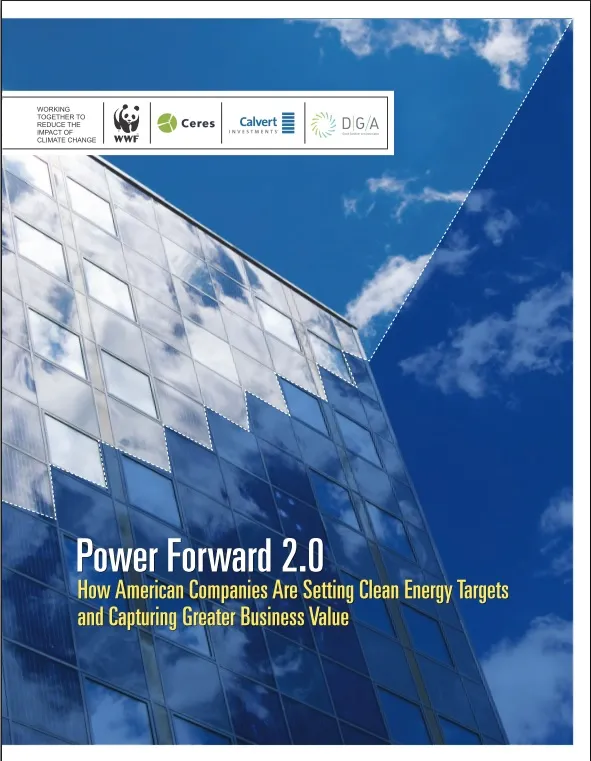
A new report from WWF, Ceres, Calvert Investments and David Gardiner and Associates finds that, 43 percent, or 215 of the companies in the Fortune 500 have set climate and/or clean energy targets.
This is the next report in the series after: Power Forward Why the World's Largest Companies Are Investing In Renewable Energy. This expands the analysis of corporate climate and clean energy goals from the Fortune 100 to the Fortune 500.
Other key findings:
- 53 Fortune 100 companies report savings of $1.1 billion annually through energy efficiency and renewable energy.
- Those companies are reducing emissions equivalent to taking 15 coal plants offline.
- The largest companies in the Fortune 500–the Fortune 100–continue to lead: 60% of companies have set climate and clean energy targets.
The report documents how sectors compare in setting targets, how the Fortune 100 are doing in meeting their targets since the last report, and lays our recommendations for companies, investors, the electric sector and policymakers to enable more companies to grow their climate and clean energy efforts.
For additional information, please visit the following WWF pages:
-
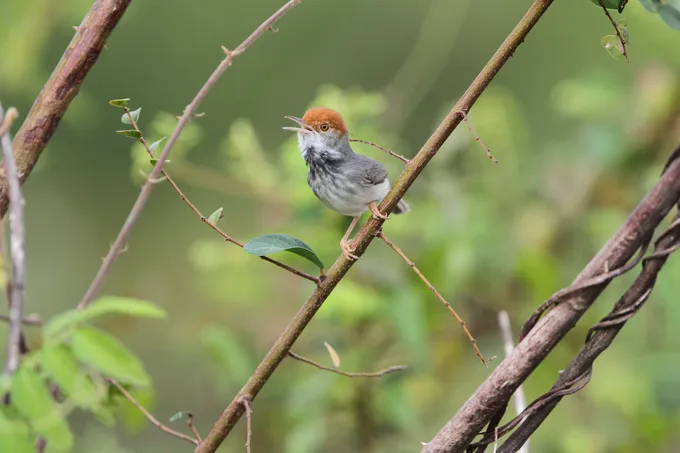
An extraordinary 367 new species were discovered in the Greater Mekong in 2012 and 2013. Among the species newly described by scientists are 290 plants, 24 fish, 21 amphibians, 28 reptiles, 1 bird and 3 mammals.
These discoveries, painstakingly identified and recorded by the world’s scientists and compiled here by WWF-Greater Mekong, demonstrate that the region is the frontline for scientific exploration.
-
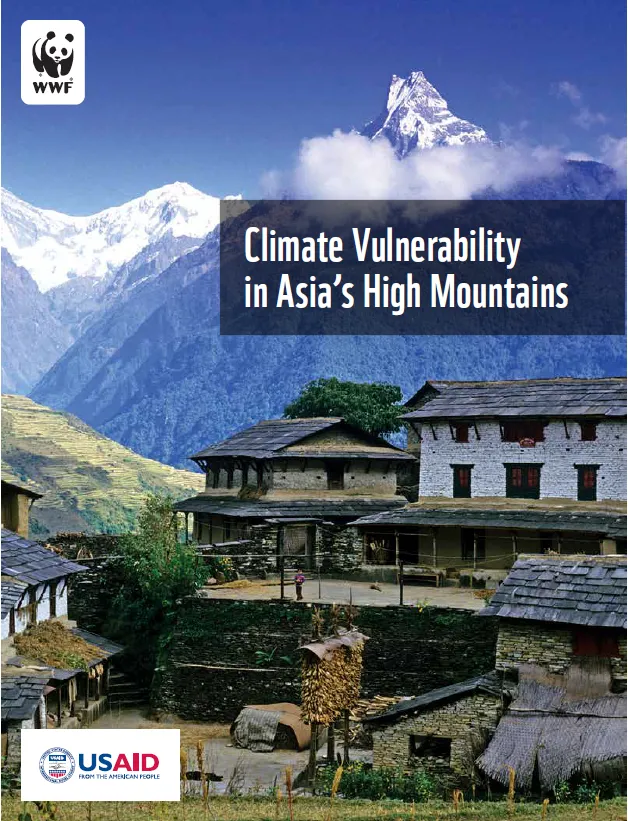
This report from WWF, funded by USAID, outlines how communities and ecosystems in snow leopard range areas of Asia’s high mountains are vulnerable to climate change impacts such as increased frequency and intensity of extreme weather to shifts in rainfall seasonality and increasing rates of glacial melt. Based on the latest science, the report summarizes existing adaptation efforts and provides recommendations for the future action. (104 page Technical Report)
-
The International Conservation Budget describes the major U.S. government programs supporting international conservation and includes information about annual funding levels appropriated by Congress. It is published by WWF, The Nature Conservancy, Conservation International, and the Wildlife Conservation Society.