Forests and freshwater: 7 reasons to protect them together
© naturepl.com/Andy Rouse/WWF
When you imagine a forest, you might not hear the river running through it, but you should. Forests and freshwater are entwined ecosystems, working together to make one another stronger and healthier. Planning protections for them concurrently can multiply conservation gains and further investment dollars.
1. One system, many wins
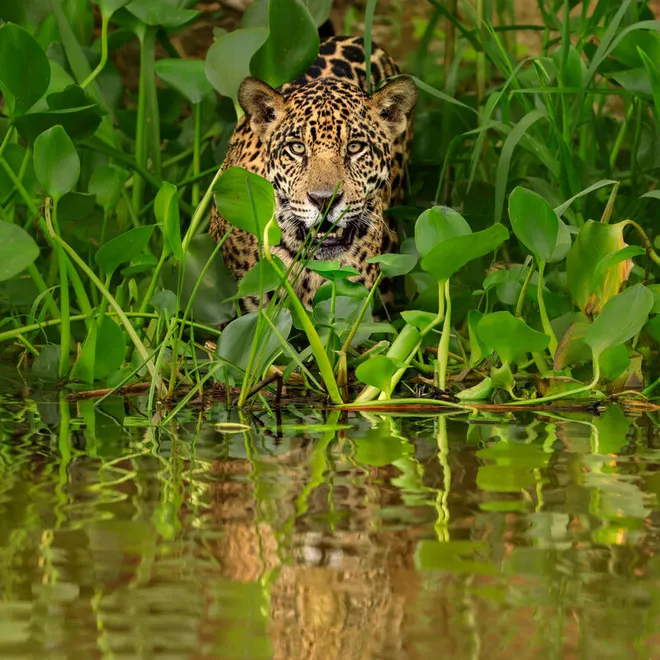
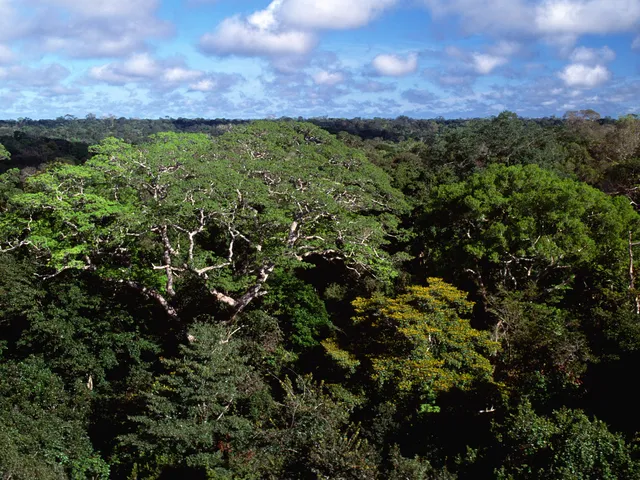
WWF-supported research in the Amazon found that 17% of the basin holds both high jaguar densities and high richness of migratory freshwater species—prime places where one protected area can deliver benefits on land and in water. About one‑third of these hot spots lie outside protected or Indigenous lands, and many face risks from proposed dams and deforestation, underscoring the need to integrate forest and river conservation.
© naturepl.com / Luiz Claudio Marigo / WWF
Protect the Amazon
Forests are disappearing at an alarming rate. Send a message to global leaders asking them to protect the tropical forests that make our lives possible.
2. Forests slow floods and store water

© Michel Roggo / WWF
Tree roots bind soil and trap sediment, slowing runoff so rivers rise more gently and water runs clearer for fish and people. Think of forests as natural speed bumps for stormwater, especially floodplain forests.
Floodplain forests and marshes soak up storm pulses, then release water slowly, buffering against drought and stabilizing flows. Keeping riparian buffers wide and intact also reconnects habitats for both freshwater and forest species.
3. Shade keeps rivers cool and life thriving
Streamside trees act like nature’s air conditioners. Cooler water boosts oxygen and supports fish and aquatic insects that need lower temperatures to survive.
4. Healthy forests mean cleaner drinking water
We get our drinking water from rivers and lakes that start in or flow through forests. Trees clean water by filtering pollution and slowing erosion. When forests are healthy, the water people drink can be safer and cleaner. Research detailed in WWF’s The Vitality of Forests report demonstrates that upstream tree cover is associated with a lower prevalence of diarrheal disease (linked to water pollution) in children downstream. A 30% increase in upstream tree cover is linked to a 4% reduction in the probability of diarrheal disease—similar to the effects of an improved sanitation facility.

© Luis Barreto / WWF-UK
5. Food webs run from treetops to riverbeds

© WWF-Brazil / Adriano Gambarini
Leaves, branches, and fallen logs feed aquatic insects; fish eat the insects; birds, otters, and big predators eat the fish. Forests kick‑start freshwater food chains.
6. We all gotta eat ...
Forests are a critical food source for people and wildlife and provide jobs and livelihoods. Berries, nuts, seeds, mushrooms, and leafy plants can create food security for isolated communities while creating habitat for pollinators and animals. People rely on fish from rivers and lakes; crops grown with freshwater; and freshwater resources for farming, fishing, and transportation. Throughout the world, forests and rivers are essential to everyday life.

© WWF-Brazil/Zig Koch
7. The threats both freshwater and forests face are shared and mounting
We’re still losing the equivalent of 11 soccer fields of forest every minute due to deforestation. People experience water scarcity when water becomes unsafe, unavailable, or unaffordable. Unfortunately, this is happening increasingly across the globe. And the populations of freshwater wildlife have declined an average of 85% over the last 50 years.
The biggest threats to both systems are unsustainable agriculture and infrastructure built without nature in mind. Climate change only makes matters worse. These are the kinds of interconnected pressures an integrated approach aims to solve.
Instead of treating forests and freshwater separately, WWF works to:
- Reduce the impacts of unsustainable farming and forestry and plan roads and dams with biodiversity and ecosystem considerations from the get-go.
- Conserve, manage, and restore forest landscapes and river systems.
- Raise awareness of the value of these systems and mobilize finance with communities, companies, governments, and Indigenous partners.
Jaguars, river dolphins, monkeys, and fish can all benefit. Research shows that integrated terrestrial‑freshwater planning can double conservation outcomes, and it’s how we make limited dollars go farther, faster. Focusing on shared landscapes where rivers and forests already support each other, we’re giving nature the tools it needs to bounce back.

© WWF-US / WWFGifts
Freshwater-themed Gifts
Support WWF's global conservation efforts and choose from symbolic adoptions, apparel, and more!