Ocean climate heroes
Meet the ocean flora, fauna, and algae that help protect us from climate change

© Day's Edge Productions
Our oceans have a direct impact on regulating Earth’s climate and are the planet’s largest absorber of atmospheric carbon. As our climate warms, maintaining their ecological balance and resilience is critical to withstanding extreme climatic events.
We're here to introduce you to a few marine climate heroes that naturally help combat the effects of climate change.
Animals
© NICOLE FRANCO
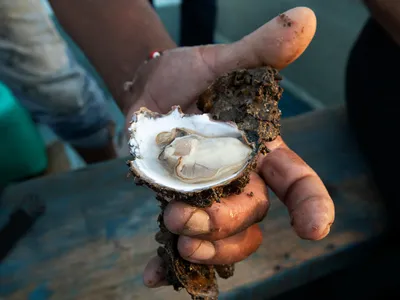
Oysters
Oysters, in all their stunning variety and storied reputation for pearls and elegant cuisine, play an exemplary—if often unacknowledged—role in mitigating the effects of our warming planet.
© WWF-US / Keith Arnold
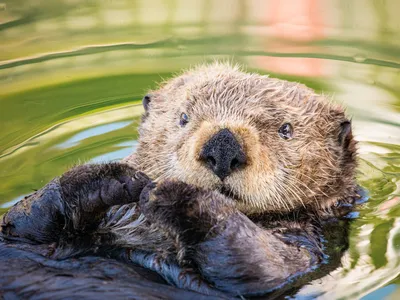
Sea otters
Sea otters are critical players in marine ecosystems and a keystone species, meaning they have a profound effect on their ecosystem. Sea otters are vital to kelp forests, ensuring the health and carbon storage abilities of these important ecosystems.
© STEPHEN FRINK/THE IMAGE BANK VIA GETTY IMAGES
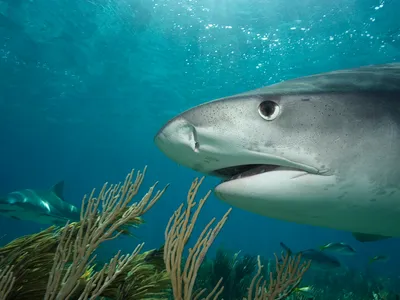
Sharks
Ecosystems with healthy shark populations are more resilient to change and maintain ecosystem balance. Sharks have been around for hundreds of millions of years and have survived five major mass extinction events, outliving dinosaurs.
© ALEXIS ROSENFELD/GETTY IMAGES
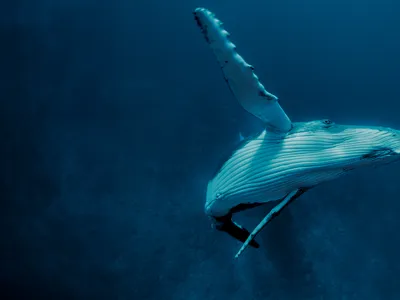
Whales
Whales are the largest living creatures on the planet. But this massive stature is not their only superpower: whales play an important role when it comes to ocean productivity that could, by extension, influence the climate.
© naturepl.com / Ingo Arndt / WWF
Krill and sea squirts
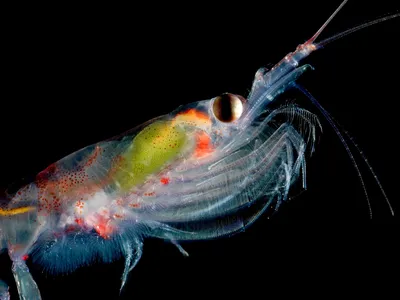
Krill are crucial to the ocean’s “carbon sink,” the process by which the ocean absorbs and stores more greenhouse gases from the atmosphere than it releases. Like krill, salps feed on phytoplankton and produce dense, fast-sinking fecal pellets that carry carbon to the deep ocean.
Plants and algae
© WWF-Pacific/Tom Vierus
Mangroves
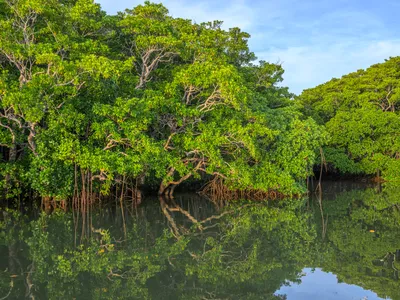
Not only do mangroves have a unique ability to thrive in saltwater environments, their strong and complex root systems also protect coastal communities and landscapes from extreme weather events, like hurricanes.
© WWF/Todd Paige
Seaweed
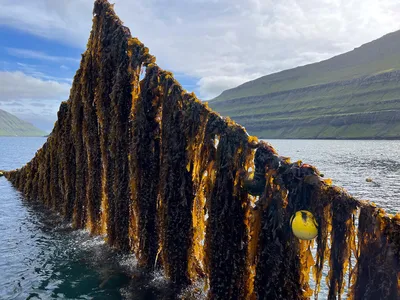
Seaweed can store greenhouse gases, reduce the carbon footprint of the global food system, help coastal communities adapt to climate impacts, and even be made into a climate-friendly alternative to plastic!
© Lauren Simmonds / WWF-UK
Seagrass
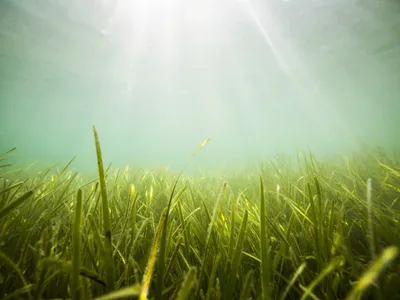
Seagrass captures up to 35 times more carbon per acre than tropical rainforests. Despite covering only 0.2% of the ocean floor, the plant absorbs an extraordinary 10% of the ocean’s carbon each year.