Why are sloths slow? And 6 other sloth facts
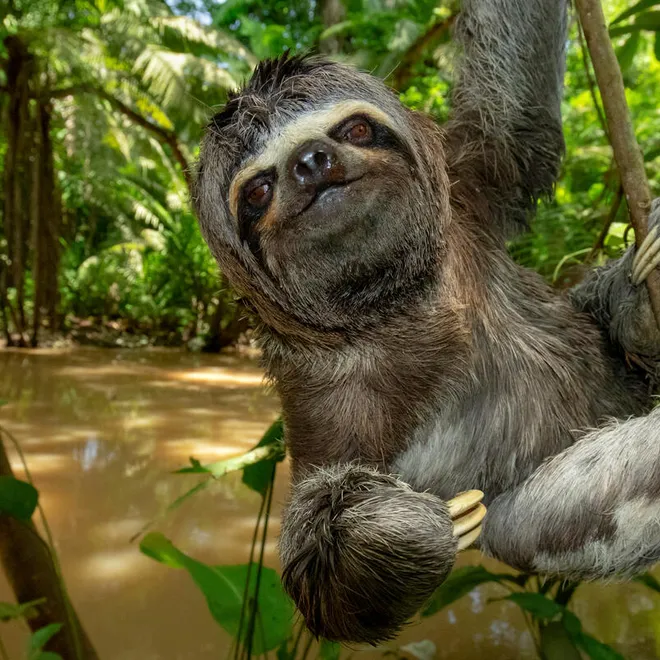
Sloths are slow because their diet consists of leaves that are low in calories and poor in nutrients. By moving slowly, they conserve energy!
© naturepl.com / Lucas Bustamante / WWF
Key takeaways
- Sloths move slowly because of their extremely low metabolic rate, traveling only about 41 yards per day.
- They rely on trees for food, safety, and shelter, descending only once a week and facing major threats from deforestation.
- Sloths have unique behaviors, including strong swimming, long mother‑infant bonding, and a leaf‑based diet that takes days to digest.

© WWF-US / Keith Arnold
Sloths—the adorable and lethargic animals living in treetops—depend on the health and survival of Central and South American tropical forests. They spend much of their lives in the canopy, snoozing and remaining hidden from predators.
The animals live solitary lives and travel from tree to tree using canopy vines. Located in places such as Brazil and Panama, the six species of this strange and wonderful animal need healthy forests to survive.
But tropical forests are some of the most vulnerable to deforestation. Loss of trees means animals are forced to live on smaller areas of land that can’t support healthy populations. WWF works with communities, governments, companies, and other partners to protect forests and the animals that rely on them.
Read on for some questions and answers about sloths.
1. Why are sloths slow?

© Adriano Gambarini / WWF-US
Sloths feast on low-calorie, nutrient-poor leaves, so they move slowly to conserve energy. Combined with poor vision and an extremely low metabolic rate, they move at a languid, sluggish pace through the trees, traveling an average of 41 yards a day. That's less than half the length of a football field!
2. Are female sloths good mothers?
Female sloths give birth to one baby a year after a gestation period of six months. The baby sticks with the mother for about six months, grasping its mom’s belly as she moves through the trees. This is an important bonding period that helps the offspring learn and develop. When the sloth leaves its mom after about six months, it adopts part of its mother’s range, continuing to communicate with the parent through calls.

© Merijn van Leeuwen/ WWF-Netherlands
3. How long do sloths sleep?
Sloths snooze for about eight to 10 hours per day. They maintain a low body temperature of approximately 86°F-93°F and move in and out of shade to regulate their body temperature.

© naturepl.com / Luiz Claudio Marigo / WWF
4. What do sloths eat?

© naturepl.com / Lucas Bustamante / WWF
Sloths munch on leaves, twigs, and buds. Because the animals don’t have incisors, they trim down leaves by smacking their firm lips together. A low metabolic rate means sloths can survive on relatively little food; it takes days for them to process what other animals can digest in a matter of hours.
5. What threats do sloths face?
© Luis Barreto / WWF-UK
© WWF-US/Luis Bernardo Cano
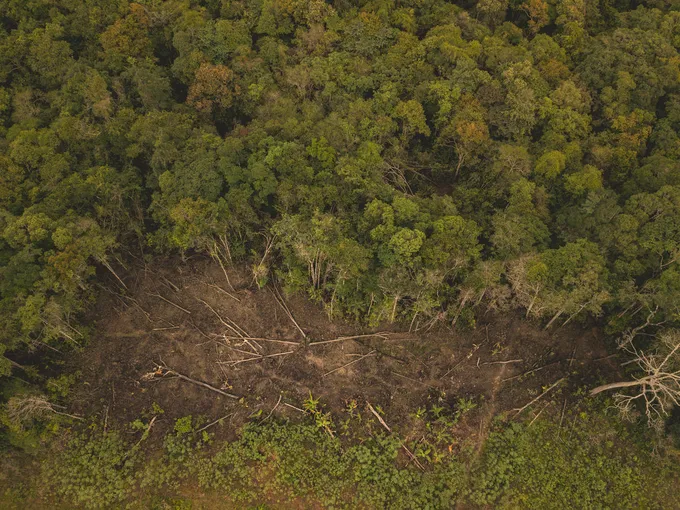
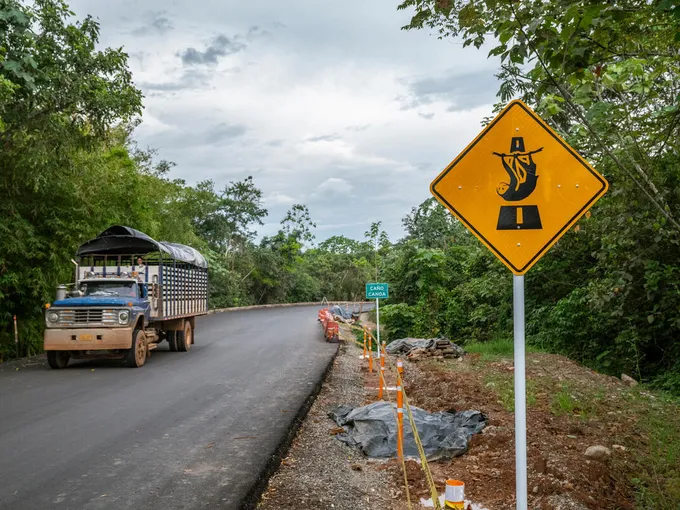
Though not all sloths are endangered, some of the six species are threatened by habitat loss. Deforestation in the tropical forests of South and Central America jeopardizes the trees that sloths rely on for food and shelter. Through a program called ARPA for Life, WWF helped the government of Brazil create a $215 million fund to ensure that 150 million acres of the Brazilian Amazon are properly managed.
6. Do sloths ever leave the trees?
Sloths spend the majority of their time in the canopy, coming down only once per week to relieve themselves. The trees provide a natural protection from predators such as jaguars and eagles; it’s safer for sloths to remain motionless and camouflaged off the ground. They will, however, venture down on rare occasions to find more food or a mate.

© WWF-US / Keith Arnold
7. Can sloths swim?
Surprisingly, sloths are strong swimmers. They will sometimes drop from their treetop perches into the water and use their extended arms to propel themselves through it.
© WWF-US / WWFGifts
Adopt a two-toed sloth
Support WWF’s global efforts to protect wild animals and their habitats and choose from kits with plush and more.