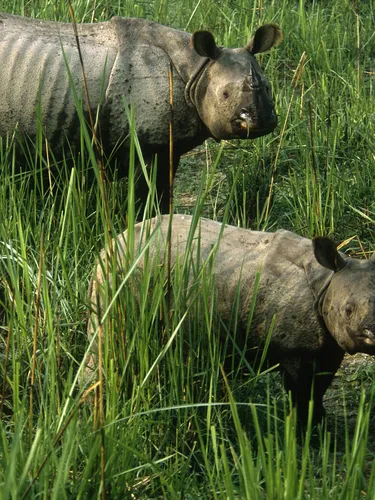
© Jeff Foott / WWF-Canon
Greater one-horned rhinos
The greater one-horned rhino (or “Indian rhino”) is the largest of the rhino species. Once widespread across the entire northern part of the Indian sub-continent, rhino populations plummeted as they were hunted for sport or killed as agricultural pests. This pushed the species very close to extinction and by the start of the 20th century, around 200 wild greater one-horned rhinos remained.
The recovery of the greater one-horned rhino is among the greatest conservation success stories in Asia. Thanks to strict protection and management from Indian and Nepalese wildlife authorities, the greater one-horned rhino was brought back from the brink. Today populations have increased to around 4000 rhinos in northeastern India and the Terai grasslands of Nepal.
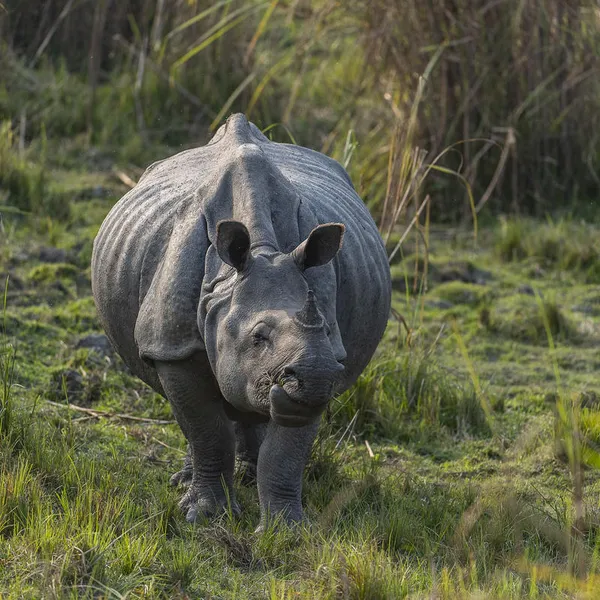
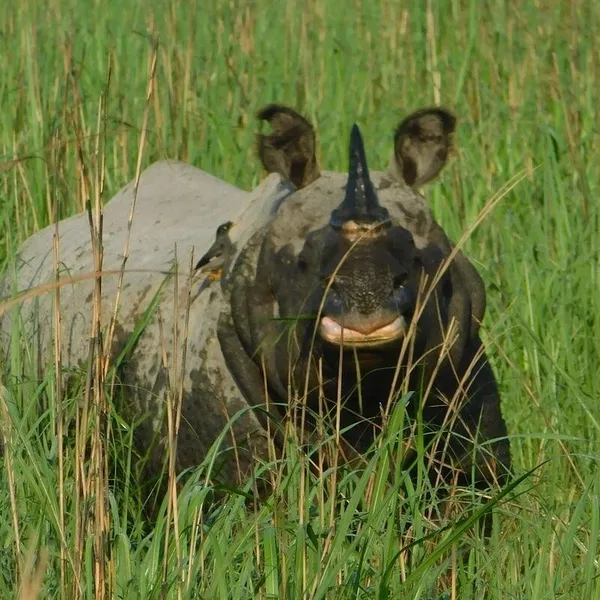
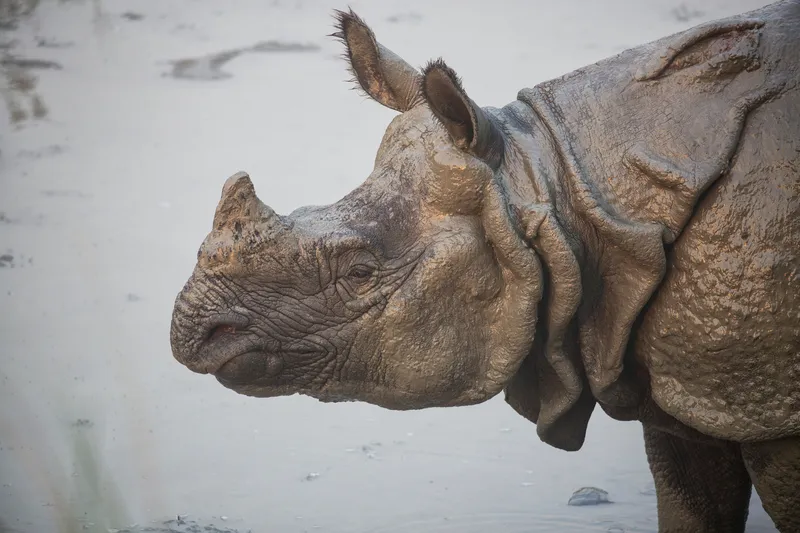
The greater one-horned rhino is identified by a single black horn about 8-25 inches long and a grey-brown hide with skin folds, which gives it an armor-plated appearance. The species is solitary, except when adult males or rhinos nearing adulthood gather at wallows or to graze. Males have loosely defined home ranges that are not well defended and often overlap. They primarily graze, with a diet consisting almost entirely of grasses as well as leaves, branches of shrubs and trees, fruit, and aquatic plants.
Greater one-horned rhino facts
- Status View status categories and descriptions
- Vulnerable
- Population
- About 4,000
- Scientific name
- Rhinoceros unicornis
- Weight
- 4,000–6,000 lbs.
- Height
- 5.75–6.5 ft.
- Length
- 10–12.5 ft.
- Habitats
- Tropical and subtropical grasslands, savannas, and shrublands
News and stories
Why greater one-horned rhinos matter
© Karine Aigner / WWF-US
Rhinos share their homes with other valuable plants and animals. When we protect greater one-horned rhinos, we also help protect these other species. These rhinos are also a symbol of national pride in the countries where they are found, which inspires environmental stewardship among local communities. These communities also benefit from the revenue generated through rhino ecotourism.
Threats to greater one-horned rhinos
© Emmanuel Rondeau / WWF-US
Population density and genetic diversity
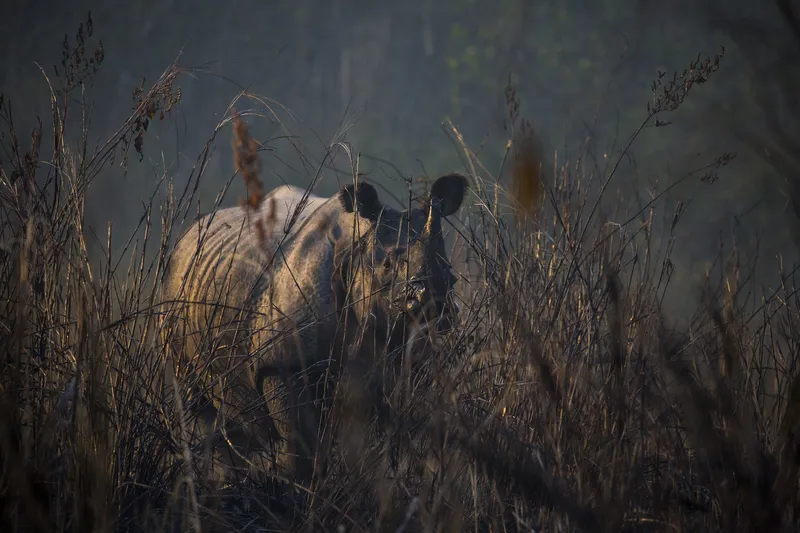
High population density in some parks leads to lower breeding rates. Also, concerns exist about long term viability of sub-populations due to lack of genetic diversity.
© Michel Gunther / WWF-Canon
Habitat loss
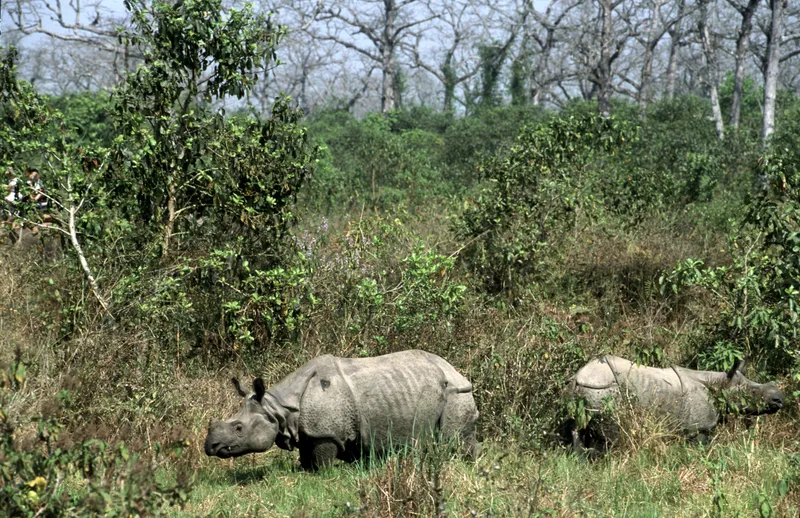
The enormous reduction in the range of rhinos was mainly caused by the disappearance of alluvial plain grasslands. Today, the growing human population’s need for land threatens the species. Many of the protected areas where rhinos live have reached the limit of the number of individuals they can support. This leads to human-rhino conflict, as rhinos more frequently leave the boundaries of protected areas to forage in the surrounding villages. Rhinos reportedly kill several people each year in India and Nepal.
Illegal wildlife trade
Poaching for the illegal trade in rhino horn remains the biggest threat to the greater one-horned rhino. Although there is no scientific proof of its medical value, the horn is used in traditional Asian medicines, primarily for the treatment of a variety of ailments, including epilepsy, fevers, and cancer. Extensive illegal trade persists throughout Asia despite protections and bans on the international trade of rhino horn.
How WWF is taking action to protect greater one-horned rhinos
© WWF-India / Sande. D
Monitoring and protection
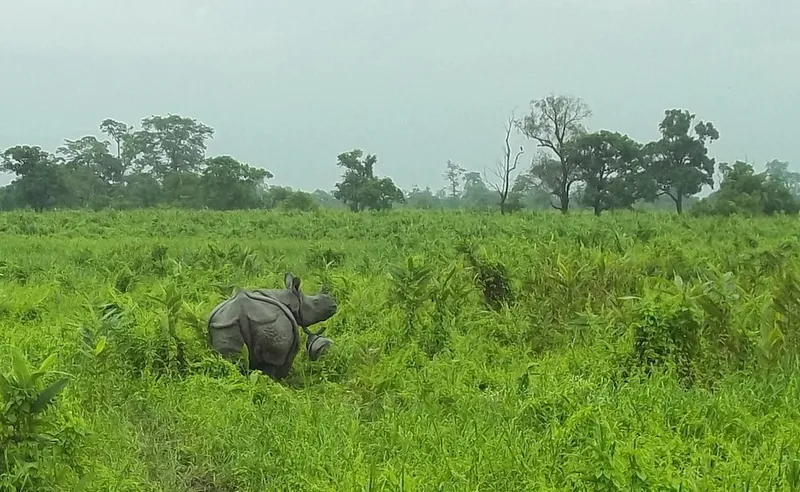
WWF helps to strengthen security measures and provides critical support for anti-poaching efforts at key sites including Kaziranga National Park and Pobitora and Laokhowa-Burachapori Wildlife Sanctuaries. We also invest in improving rhino monitoring to collect data and measure progress toward achieving rhino conservation goals, assess the reproductive health and growth rate of populations, and make the right decisions to keep rhino numbers growing at a rate of at least 3%.
Restoring landscapes
As rhino populations increase, they need additional space to live and breed. WWF and partners restore rhino habitat in Nepal to increase rhino numbers and improve connectivity between protected areas. Chitwan National Park's population of greater one-horned rhinos is the second largest population of this species in the world, after India's Kaziranga National Park. In Kaziranga National Park, WWF works to secure habitat corridors so that rhinos have access to higher areas outside of the park during annual floods.
Working with local communities
The protected areas of India and Nepal, where rhinos reside, are surrounded by dense human populations. It is vital to ensure that communities that live around rhino reserves are sympathetic to, and benefit from, the rhinos in their midst. WWF supports several projects to improve local livelihoods, like the successful community-run Marmelous juice factory in Khata, Nepal. We help decrease conflict between people and rhinos by encouraging farmers to plant unpalatable species like mentha (mint) that generates money for the communities and supports community-based antipoaching operations.

© Gordon Congdon / WWF
Strengthening law enforcement
WWF partners with national governments to strengthen wildlife laws and their enforcement, and fund antipoaching equipment and operations in protected areas. In response to a poaching spike in Nepal in 2006, WWF increased the number of security posts from eight to 20. We also engaged ex-army and police to patrol vulnerable points outside protected areas. Local youth volunteered to guard individual rhinos through the night. WWF relayed the information collected by these allies to key government departments so they could take action where needed. Nepal’s concerted efforts to protect rhinos have resulted in the country achieving four periods of 365 days each of zero rhino poaching since 2011. Today, more than 645 one-horned rhinos live in Nepal—the highest number recorded in the country so far. In 2015, Nepal hosted the first symposium focused on getting to zero poaching. Under Nepal’s leadership, delegates from more than 13 Asian countries shared best practices, tools, and technologies that can be used to respond to the poaching crisis.
Experts

How you can help
© WWF
Adopt an African rhino
Support WWF’s global efforts to protect wild animals and their habitats and choose from kits with plush and more.