Social Norms and Behavior Change
Corrupt behaviors are usually influenced by public norms and attitudes about what is acceptable or required in certain situations, but corruption does not have to be a social inevitability. Cognitive, psychological and social science insights can influence the motivations, attitudes, values, and actions of those engaged in corrupt practices.
This page provides information, guidance, and tools for practitioners who seek to integrate social norms and behavioral change approaches into their programming.
Inside the Topic
Read the Guide
- Addressing corruption through SNBC interventions
- 1. Social norms and corruption
- 2. Elements of an SNBC strategy
- 2.1 Formative research and developing the baseline
- 2.2 Types of SNBC messages and good practices
- 2.3 Workplace interventions
- 2.4 Pre-testing
- 2.5 Media strategy and media planning
- 2.6 Evaluation of impact
Resources
Tools for Conservation Programming
- Designing social norms and behavior change interventions: Guidance resources for conservation practitioners
- Social norms and behavior change for anti-corruption
Research Papers & Issue Analysis
- Researching Social Norms and Behaviors Related to Corruption Affecting Conservation Outcomes
- Behavioral drivers of corruption facilitating illegal wildlife trade: Problem analysis and state of the field review
- Social Norms and Corruption: An Overview
- Corruption, informality and social norms
Place-Specific Resources
- Case study | Enabling youth as good governance champions of community forests in Nepal
- Case Study: Applying behavior change and community-based approaches to address the corruption linked to illegal hunting and trade of jaguars in Guatemala
Expert Insights
- Integrating social norms and behavior change approaches to target natural resource corruption
- Mainstreaming anti-corruption in conservation: Dispelling myths and charting a path forward
- Environmental corruption: Building bridges across conservation and anti-corruption practice to stop environmental corruption from the ground up
- Changing Corrupt Behaviors through an INTEGRITY Framework
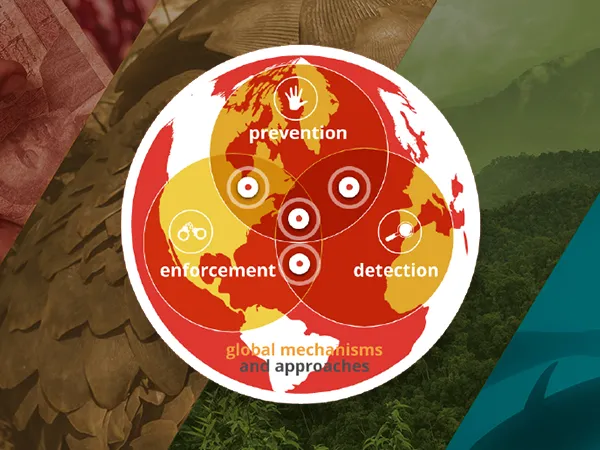
Where to Start
Building Anti-Corruption into Conservation Work
Locate your conservation challenge and follow three steps to understand forms of corruption that impact conservation outcomes, analyze your situation, and identify programming approaches that could improve results.
© WWF
This content is made possible by the generous support of the American people through the United States Agency for International Development (USAID). The contents are the responsibility of World Wildlife Fund (WWF) and do not necessarily reflect the views of USAID, the United States Government, or individual TNRC consortium members.