Quality of life in captivity
© WWF-Sweden / Ola Jennersten
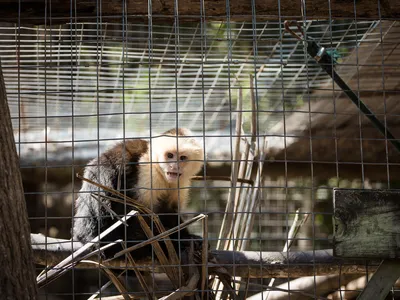
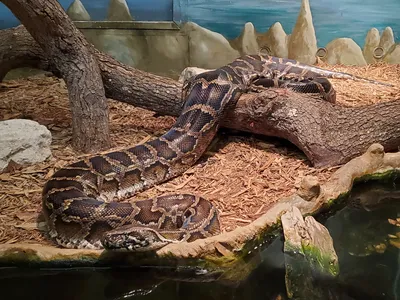
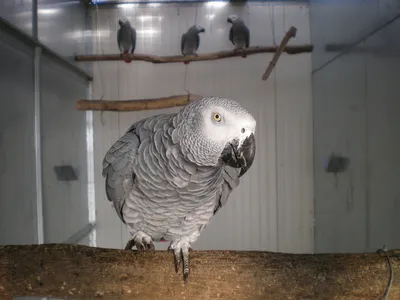
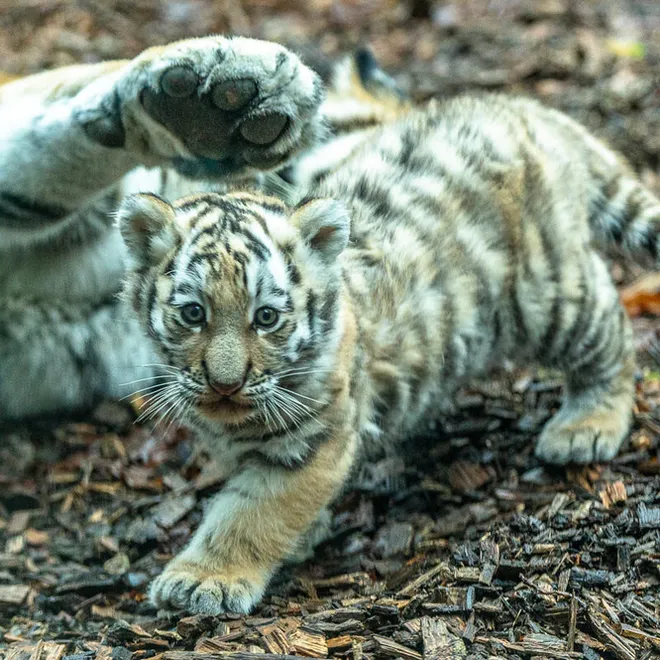
People keep pets because they love them and want to provide them a good quality of life. While a baby animal is cute when first brought home, some can grow up to be very large, dangerous, and sometimes can be difficult to tame or train. Additionally, the lifespan of some species can be surprising to owners; for example, certain tortoises and turtles can live between 20-50 years, and large parrots can live 40-60 years. These long-lived animals can be incredibly rewarding pets to keep, but the greater time and financial commitment needed to keep them should be considered.
Experts agree that animals need to experience the five freedoms to have a good quality of life. These include (1) Freedom from Hunger and Thirst, (2) Freedom from Discomfort and Pain, (3) Freedom from Injury or Disease, (4) Freedom to Express Normal Behavior, and (5) Freedom from Fear and Distress. Some exotic animals have complex behavioral, emotional, social, and nutritional needs that are challenging and expensive to meet in a typical home or without specialized veterinary care. Many people are better able to love animals with these complex needs by supporting their conservation in the wild than keeping them as pets. Choosing a pet that you can confidently meet the needs and freedoms of through a proper habitat, diet, social structure, and veterinary care for its entire life is a rewarding experience.