What is biodiversity?
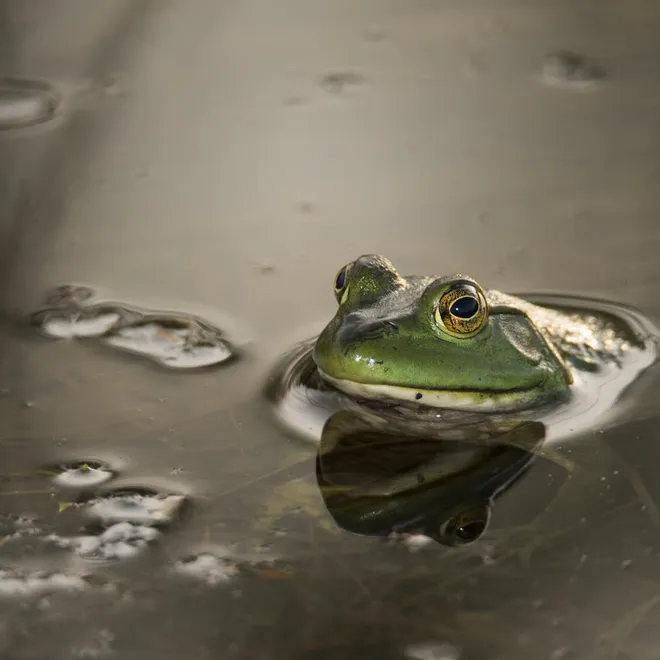
Biodiversity is all the different kinds of life you’ll find in one area—the variety of animals, plants, fungi, and even microorganisms like bacteria that make up our natural world.
© WWF-US / Clay Bolt
Key takeaways
- Biodiversity’s role: It keeps ecosystems stable and resilient, supporting food, water, clean air, medicine, and protection from natural disasters.
- Human pressures: Habitat loss, climate change, pollution, and resource extraction are driving steep declines in wildlife and ecosystem health worldwide.
- Restoring balance: Protecting habitats, easing resource pressure, and supporting Indigenous and local stewardship can rebuild the web of life that sustains people and nature.
Biodiversity protects our future
All species and organisms in an ecosystem work together, like an intricate web, to maintain balance and support life. Everything in nature is connected and plays a role in keeping our ecosystems healthy and functioning. When one part of this web is weakened, changed, or lost, it can have ripple effects across the entire system. That’s why protecting and maintaining biodiversity is so important to ensuring a future where both people and wildlife can thrive.
© WWF-US/Clay Bolt
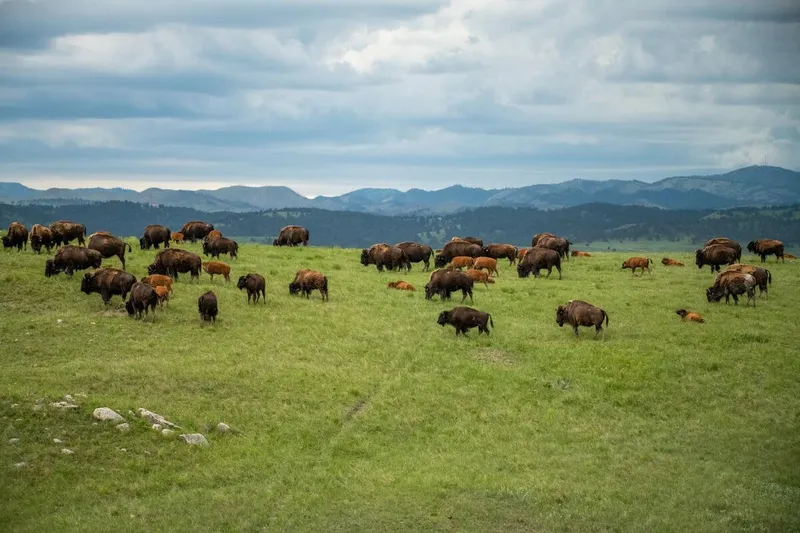
The connected lives supporting our Great Plains
North America’s Great Plains is more than just grass: it is a biologically rich system of life. The diverse plant and wildlife species and the cultures and traditions of Indigenous People and other rural communities are all deeply interconnected and dependent on one another.
Native grazers like bison help keep the grasslands healthy by foraging on plants, which keeps trees and other woody plants at bay, redistributing nutrients, and providing food and habitat for other wildlife species. These natural interactions allow the land to store carbon, sustain biodiversity, and provide food, clean water, and livelihoods for millions of people.
But this balance is under threat. Each year, millions of acres of grassland are converted to cropland, disrupting these connections, harming wildlife populations, and weakening these ecosystems’ ability to recover and support both nature and people. It’s a reminder that the health of these landscapes and our own well-being is deeply dependent on keeping this balance intact.
Why is biodiversity important?
By enabling the natural processes that keep our ecosystems strong and resilient, biodiversity supports everything in nature that we need to survive. It grows the food we eat, purifies the water we drink and the air we breathe, and provides the natural resources we rely on for medicine, fuel, and shelter.
Biodiversity sustains nature’s contributions essential to our health, safety, and protection. It helps regulate climate, protect us from floods, storms, and other disasters, and support livelihoods and economies around the world.
© Sothean Thou / WWF-Cambodia
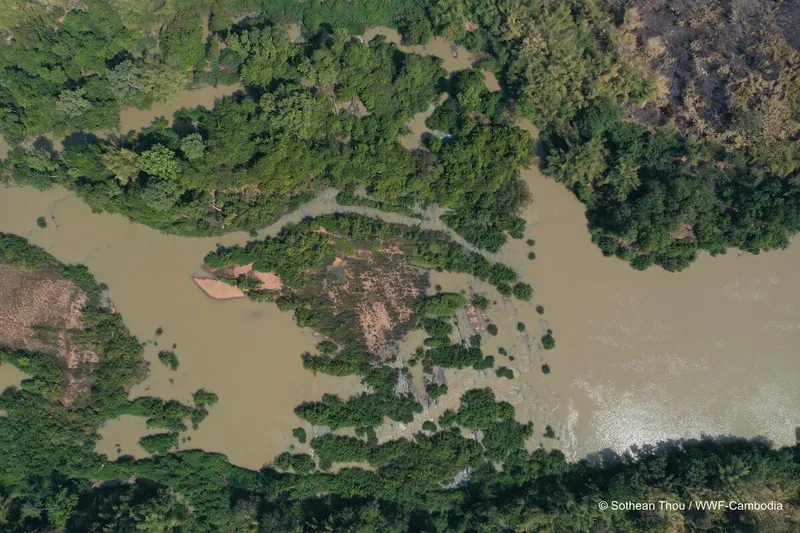
The freshwater flows sustaining life in the Mekong
Flowing through the heart of Southeast Asia, the Mekong River stretches through Myanmar, Lao PDR, Thailand, Cambodia, and Viet Nam. Often called “the mother of all things,” it supports the lives, livelihoods, and food security of tens of millions of people. Its natural water flows sustain an extraordinary diversity of life, from forests and wetlands to one of the richest freshwater fish populations in the world. These fishes have made the Mekong Basin the planet’s largest inland fishery. This multi-billion-dollar resource provides essential food and income for millions, showing how closely people depend on healthy, thriving ecosystems.
Our world’s biodiversity is under threat

© naturepl.com / Edwin Giesbers / WWF-Canon
As humans put increasing pressure on the planet, using and consuming more resources than ever before, we risk upsetting the balance of ecosystems and losing biodiversity. WWF’s 2024 Living Planet Report found an average 73% decline in global populations of mammals, fish, birds, reptiles, and amphibians since 1970.
An estimated 1 million animal and plant species are now threatened with extinction—the highest number in human history, according to the 2019 landmark Global Assessment Report by the Intergovernmental Platform on Biodiversity and Ecosystem Services.
Three-quarters of the land-based environment and roughly 66% of the ocean environment have been significantly altered. More than a third of the world's land surface and nearly 75% of freshwater resources are now devoted to crop or livestock production. Climate change worsens the impact of other stressors on nature and our well-being. Humans have overfished the oceans, cleared forests, polluted our water sources, and created far-reaching impacts. These actions are impacting biodiversity around the world, from the most remote locales to our own backyards. Even the most important biodiversity hubs around the world are not immune to human pressures.
© naturepl.com / Tim Laman / WWF
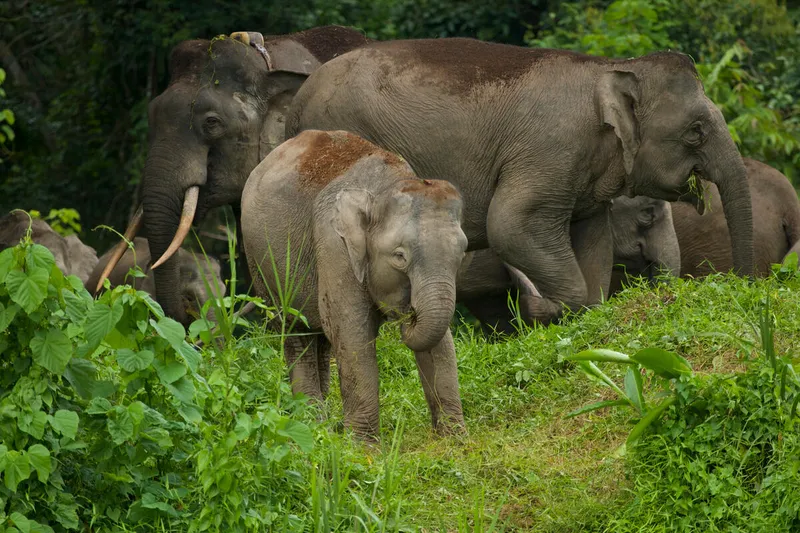
Global demand for resources threatening Borneo’s biodiversity
Within Borneo’s distinct and biologically rich ecoregions, more than 1,400 animal species live among some of the highest plant diversity on Earth, with at least 15,000 plant species. This massive Southeast Asian island hosts iconic wildlife, including orangutans, pygmy elephants, clouded leopards, rhinos, and proboscis monkeys, along with extraordinary plant life, from carnivorous plants to some of the world’s tallest tropical trees.
But Borneo’s vast wealth of natural resources has attracted more than nature lovers. Global demand for pulp and paper, palm oil, rubber, coal, minerals, and various hardwoods has led to large-scale, international interests that have worked to extract as much as they can from the island.
As a result, Borneo’s forests are in crisis. Since the 1980s, half of its forests have been wiped out, and deforestation continues at one of the highest rates in the world. This is not only increasing pressure on wildlife, many species of which are already threatened or endangered, but also on the lives and livelihoods of the Indigenous and local communities that depend on these forests for survival. By protecting these forests, we’re also ensuring a future for wildlife and people.
Together, we can protect biodiversity
One of the most beautiful things about biodiversity is its resilience. To protect the iconic wildlife we all love, we must rebuild the web of biodiversity that supports it. We do this by rethinking how we’re using natural resources, easing the pressure, and allowing ecosystems to recover. In the process, all life benefits: plants, insects, fish, birds, mammals, and even people. Nature and biodiversity will recover.
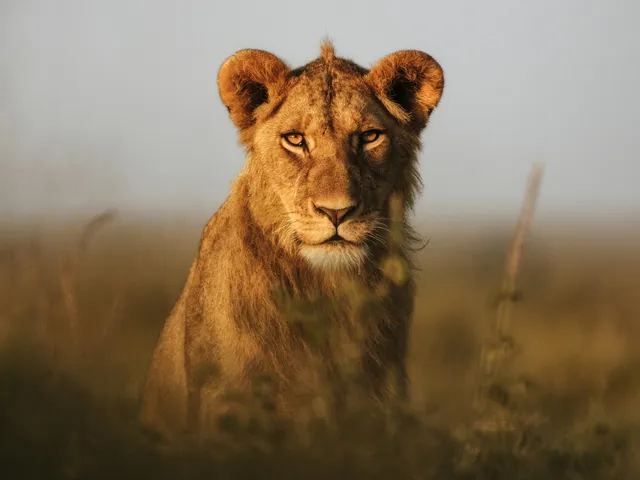
© Chris Schmid
Pledge to protect nature
Do your part to protect what you love in your daily life. Nature needs us all more than ever.