© Kaisa Siren
Sumatran rhinos
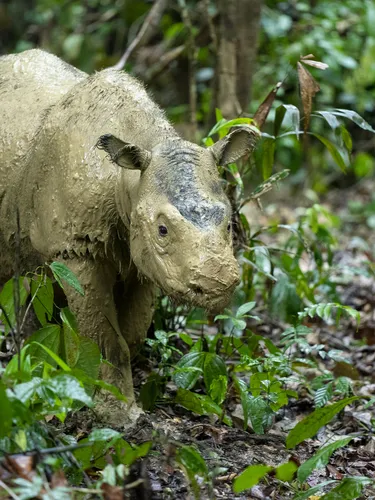
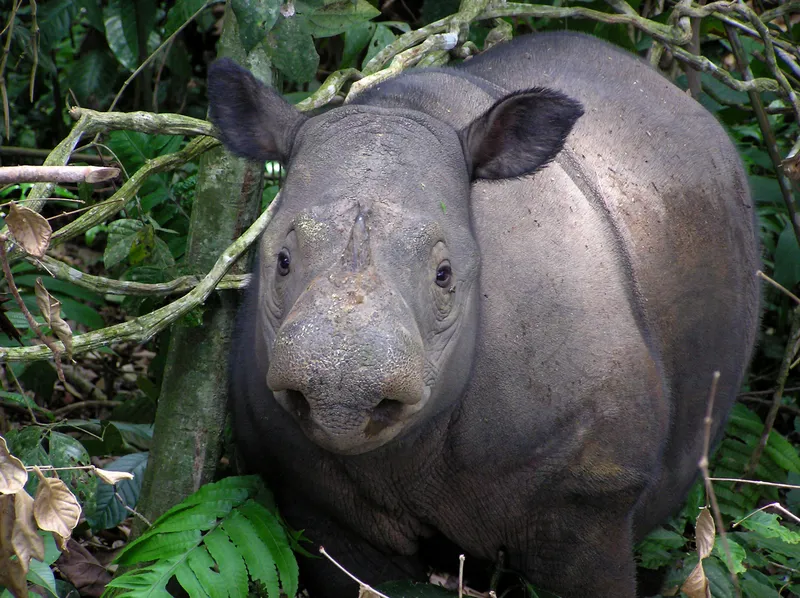
Sumatran rhinos are the smallest of the living rhinoceroses and the only Asian rhino with two horns. They are covered with long hair and are more closely related to the extinct woolly rhinos than any of the other rhino species alive today. Calves are born with a dense covering that turns reddish-brown in young adults and becomes sparse, bristly and almost black in older animals. Sumatran rhinos compete with the Javan rhino for the unenviable title of most threatened rhino species. While surviving in possibly greater numbers than the Javan rhino, Sumatran rhinos are more threatened due to habitat loss and fragmentation. The remaining animals survive in small, fragmented non-viable populations, and with limited possibilities to find each other to breed, its population decline continues. Just two captive females have reproduced in the last 15 years.
The Sumatran rhino once roamed as far away as the foothills of the Eastern Himalayas in Bhutan and eastern India, through Myanmar, Thailand, possibly to Vietnam and China, and south through the Malay Peninsula. Today, the species only survives on the Indonesian islands of Sumatra and Borneo. Experts believe the third subspecies is probably extinct.
Sumatran rhino facts
- Status View status categories and descriptions
- Critically endangered
- Population
- Around 40
- Scientific name
- Dicerorhinus sumatrensis
- Weight
- 1,320–2,090 pounds
- Height
- 3.3–5 feet
- Length
- 6.5–13 feet
- Habitats
- Dense highland and lowland tropical and sub-tropical forests
White Sumatran rhinos matter
© WWF-Indonesia / Gert Polet
In all rhino conservation areas, there are other valuable plants and animals. Protecting rhinos helps maintain other animal and plant life in the area and keeps ecosystems healthy.
Threats to Sumatran rhinos

© Bill Konstant / International Rhino Foundation
Illegal wildlife trade
Growing consumer demand for rhino horn has driven the unsustainable increase in poaching across Africa and Asia. Rhino horn is coveted in parts of Asia for its purported medicinal qualities and as an ornament, often carved, which connotes social status and prestige.
China and Vietnam are the two largest consumer markets for rhino horn. Demand in China began escalating in the 1990s in tandem with booming economic growth. Investigations by WWF and TRAFFIC, the wildlife trade monitoring network, reveal that use of rhino horn in traditional medicine persists in many countries.

© Esmond Bradley Martin / WWF-Canon
Habitat loss
Sumatran rhino habitat is being lost or degraded by invasive species, road construction, and encroachment for agricultural expansion. For example, Bukit Barisan Selatan National Park in Sumatra is losing forest cover due to conversion for coffee and rice by illegal settlers.
Lack of protection
Protection is insufficient in existing protected areas. When rhinos move outside of protected areas, communities are not sufficiently engaged or incentivized to protect them.
Small population size and isolation
Due to small numbers, low probability of breeding pairs encountering one other, and reproductive problems among aging females, we believe breeding among wild Sumatran rhinos to be minimal in most locations. Most—if not all—of the remaining sub-populations are too small to be viable long-term breeding populations.

© WWF Indonesia / Samsul Komar
Experts

How you can help
© WWF
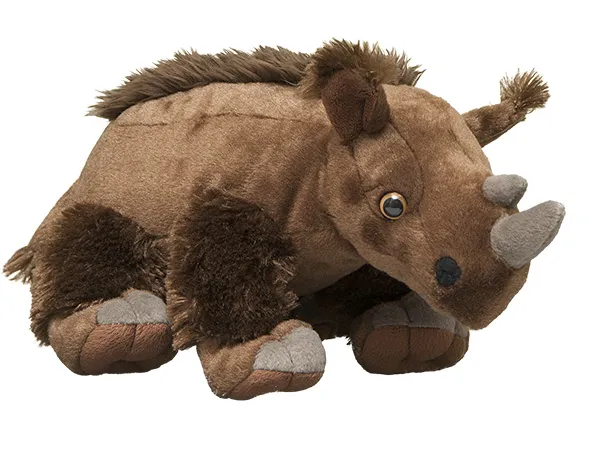
Adopt a Sumatran rhino
Support WWF’s global efforts to protect wild animals and their habitats and choose from kits with plush and more.