Publications
-
This document is a printable version of the introductory guide on the Communities and Inclusion topic page of the Targeting Natural Resource Corruption (TNRC) Knowledge Hub. It provides information, guidance, and tools for practitioners who seek to integrate anti-corruption approaches into their context-specific programming responses to address the threats of corruption in community-based work and inclusive conservation efforts.
---
This content is made possible by the generous support of the American people through the United States Agency for International Development (USAID). The contents are the responsibility of World Wildlife Fund (WWF) and do not necessarily reflect the views of USAID, the United States Government, or individual TNRC consortium members.
-
During the second half of December of 2022, 11 colonies of monarch butterflies - three in the state of Michoac√°n and eight in the State of Mexico - were recorded to occupy a total of 2.21 hectares (ha) of forest, this represents a 22% decrease in relation to the area recorded in 2021 (2.84 ha).
-
Between March of 2021 and April of 2022, 58.69 hectares (ha) of forests in the core zone of the Monarch Butterfly Biosphere Reserve (MBBR) were affected: 28.7 ha were cleared for sanitation cutting; 15.12 ha were affected by fires; 1.42 ha were affected by drought, and 13.41 ha were affected by illegal logging; this cause was slightly reduced compared to 13.94 ha of illegal logging recorded between 2020-2021. In general, the total forest degradation area tripled with respect to the 18.83 ha reported the previous year.
-
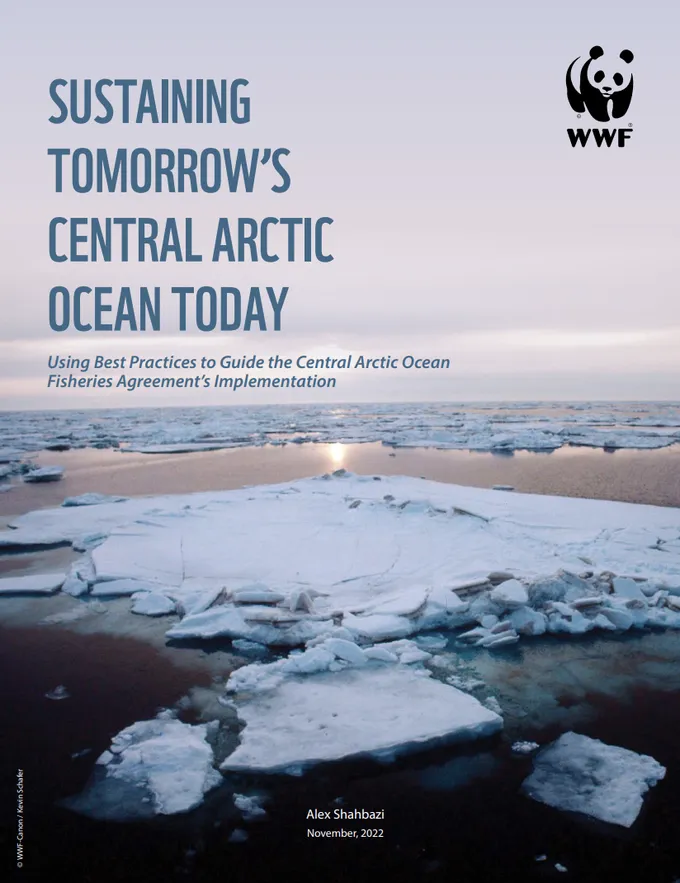
The central Arctic Ocean is becoming accessible for the first time in human history. As climate change diminishes the region's traditional meters-thick sea ice cover, the potential for a commercial fishery is growing. In precautionary response to the ecological disaster that overfishing would cause to the central Arctic Ocean ecosystem, 10 parties (Canada, Denmark in respect of Greenland and the Faroe Islands, Norway, Russia, the United States, China, Iceland, Japan, South Korea, and the European Union) signed the Central Arctic Ocean Fisheries Agreement (CAOFA) in October 2018, with the agreement entering into force in June 2021. This report examines best practices and lessons learned from regional fisheries management organizations, other relevant organizations and agreements, and subject matter experts to inform good fisheries governance within the central Arctic Ocean as well as good governance within the greater Arctic environment.
-
Follow-the-money techniques are essential to detect, investigate and prosecute environmental criminals and their corrupt facilitators.
---
This content is made possible by the generous support of the American people through the United States Agency for International Development (USAID). The contents are the responsibility of World Wildlife Fund (WWF) and do not necessarily reflect the views of USAID, the United States Government, or individual TNRC consortium members.
-
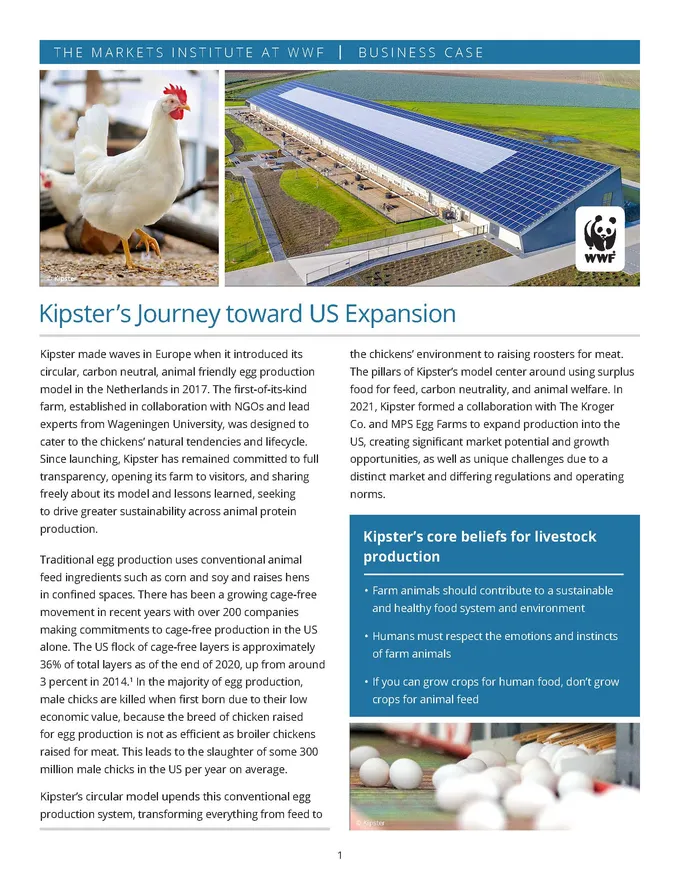
Kipster made waves in Europe when it introduced its circular, carbon neutral, animal friendly egg production model in the Netherlands in 2017. The first-of-its-kind farm, established in collaboration with NGOs and lead experts from Wageningen University, was designed to cater to the chickens‚' natural tendencies and lifecycle. Since launching, Kipster has remained committed to full transparency, opening its farm to visitors, and sharing freely about its model and lessons learned, seeking to drive greater sustainability across animal protein production.
The pillars of Kipster's model center around using surplus food for feed, carbon neutrality, and animal welfare. In 2022, Kipster expanded production into the US, creating significant market potential and growth opportunities, as well as unique challenges due to a distinct market and differing regulations and operating norms.
-
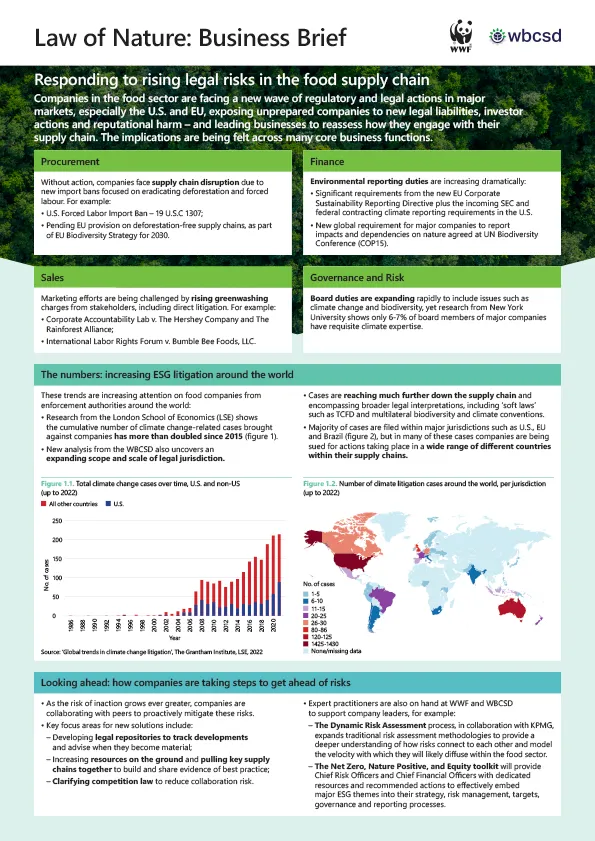
Companies in the food sector are facing a new wave of regulatory and legal actions in major markets.
-
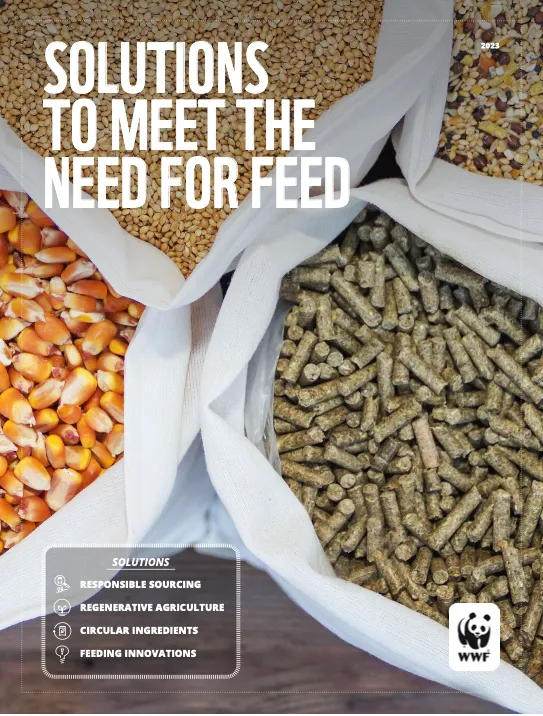
Livestock and poultry have been a valuable part of the global agricultural landscape for millennia. As global meat production has quadrupled over the past fifty years, the corresponding growth in production and consumption of animal products and feed requires increased attention to the impacts of these intertwined systems and processes. As a component of the food system‚'s footprint, animal-sourced foods currently account for 11% of global greenhouse gas emissions, 12% of global freshwater consumption and have been responsible for 65% of global land use change from 1961-2011. Collective action across the feed value chain can deliver positive impacts to climate, biodiversity, water use, and protection of critical landscapes.
This white paper highlights how solutions that address Responsible Sourcing, Regenerative Agriculture, Circular Ingredients, and Feeding Innovations can support aligned efforts to meet corporate and national climate commitments while building climate resilience for feed systems.
-
The devastating human and economic losses resulting from the COVID-19 pandemic have changed the lives of people throughout the world. In building back better, we reimagine a new world in which we collaborate creatively with current and new partners and carefully consider the interacting drivers of emerging infectious diseases.
This overarching strategy frames a way forward for WWF and partners, prioritizing interventions that deliver the greatest potential leverage in the zoonoses system to prevent future pandemics by stopping spillover at its source. This framework is based on a systems analysis of zoonoses and engagement with experts and draws on the WWF internal science brief, Beyond Boundaries.
Systems analytics allow us to deeply understand the underlying, nonlinear dynamics that give rise to the spillovers of animal disease into human populations. We describe those dynamic feedback loops and identify the relevance of conservation in disrupting the primary drivers, and we lay out a portfolio of interventions for conservation. The interventions are those with the highest potential to deliver on our aspirational vision for a better, more equitable world. Our eye remains on the aspiring vision for a whole-planet shift to humans and nature living in harmony.
-