Publications
-
-
-
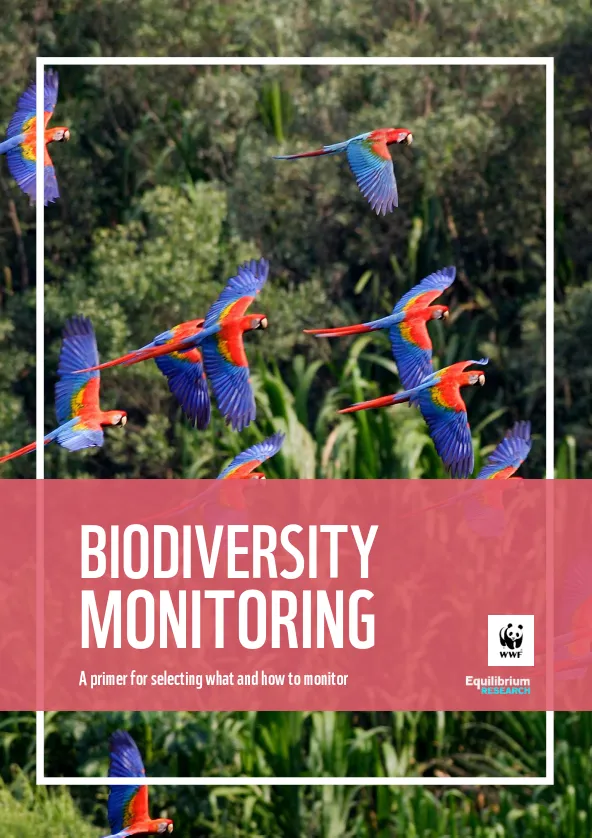
A primer for selecting what and how to monitor
This guide provides a practical, step-by-step framework for designing and implementing biodiversity monitoring within conservation projects. Aimed at project managers and practitioners who are not biodiversity specialists, it explains how to determine what to monitor based on your project type, select appropriate biodiversity indicators, choose effective methods to collect data, and determine who conducts monitoring and when.
-
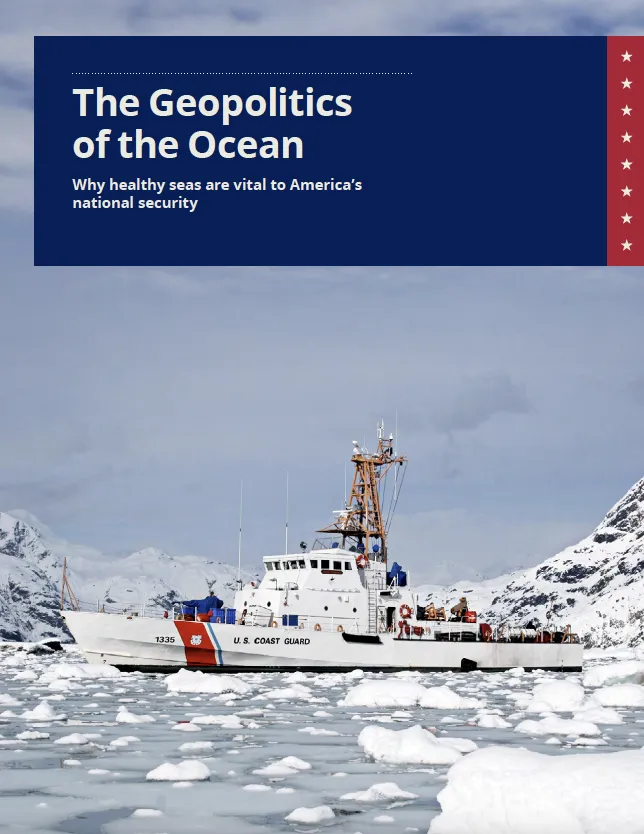
The United States is a maritime nation. Forward-thinking and well-managed ocean governance is an essential pillar of the country’s prosperity, security, and global influence. But overexploitation, environmental degradation, poor or insufficient governance, and illegal activities are eroding this foundation—creating risks of conflict, fueling organized crime, and threatening American economic competitiveness.
Shaped by advisors from the military, security, and development sectors, this report reframes ocean health as a geopolitical and national security priority. It outlines strategic shifts needed to secure peace, strengthen U.S. resilience, and bolster long-term security and prosperity for the American people:
- Renew maritime leadership by integrating ocean policy into national security strategies.
- Strengthen global partnerships to counter IUU fishing and enforce maritime law.
- Expand public-private collaboration to finance sustainable ocean solutions.
This report was convened by WWF and The International Conservation Caucus Foundation (ICCF).
-
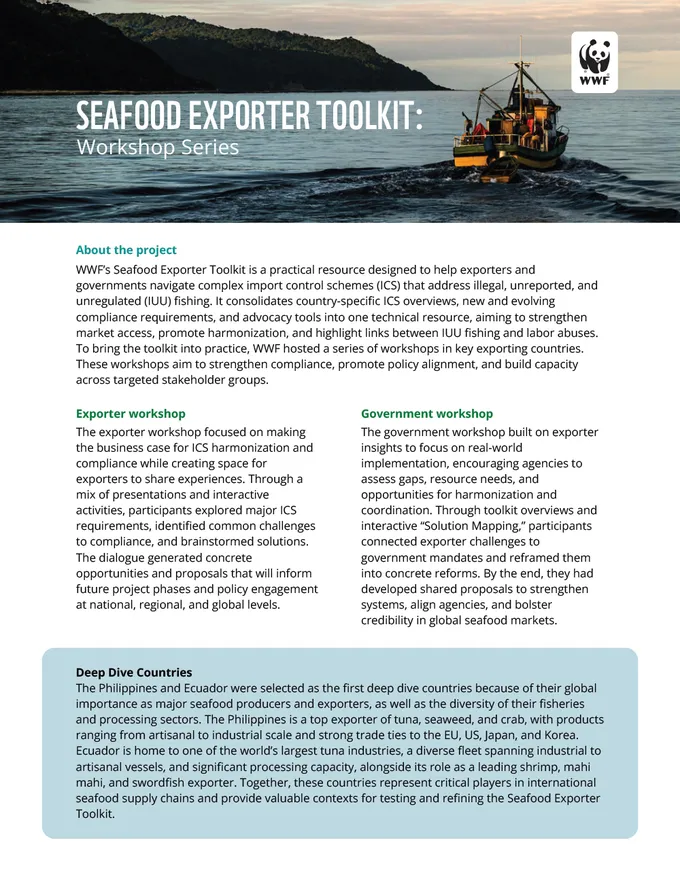
WWF convened two complementary workshops in Ecuador & The Philippines as part of the Seafood Exporter Toolkit project: one with exporters and industry representatives, and another with government and enforcement agencies.
Read the Seafood Exporter Toolkit.
-
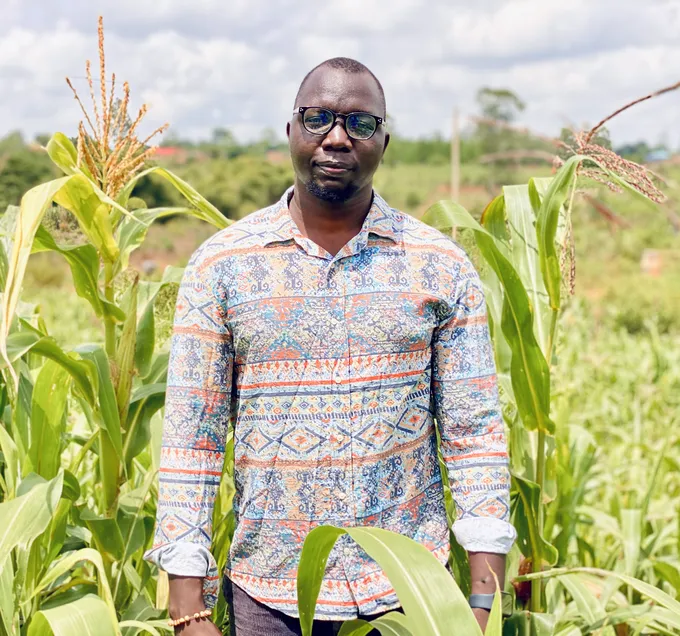
WWF Announces Recipients of the 2025 WWF Russell E. Train Education for Nature Fellowships
-
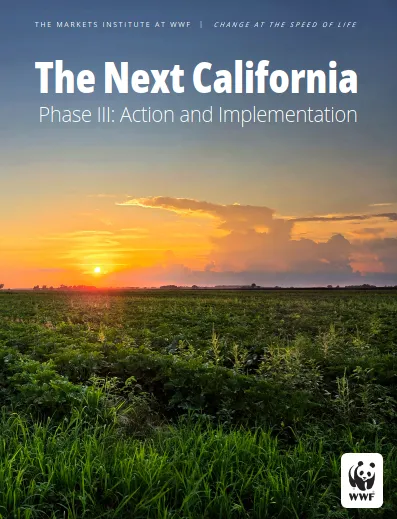
WWF’s Next California initiative aims to transition 3% of mid-Mississippi Delta farmland from commodity row crops to specialty food crops by 2034, boosting local revenue, food security, and environmental sustainability. Phase III focuses on implementation through farmer-led innovation, infrastructure, agtech, and investment opportunities.
To learn more, visit our Next California project page.
Previous reports:
Next California Phase I: Investigating Potential in the mid-Mississippi Delta River Region (2020)
-
This series of briefs illustrates some major interconnected gaps and barriers that hinder enhanced integration of NbS in climate change adaptation policies and practice. Each brief identifies key questions to stimulate discussion in a series of regional technical dialogues among stakeholders. Participants in these dialogues will include government decision makers, practitioners and civil society representatives working on NbS and climate change adaptation. These participants will be requested to validate and add to findings from the analysis. They will also jointly identify context-appropriate solutions that can help address the gaps and barriers. They will inform efforts to develop a platform that supports mainstreaming and enhances use of NbS for climate change adaptation.
-
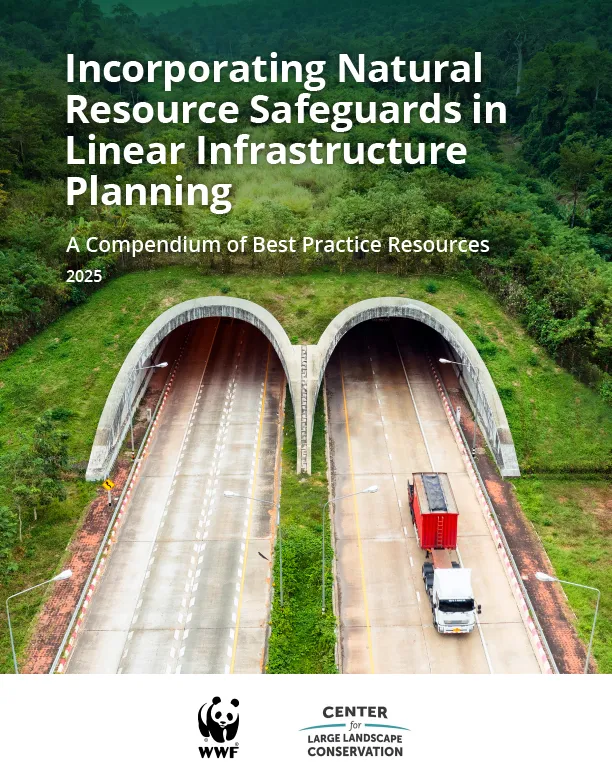
Global ecosystems are under threat from the rapid expansion of linear infrastructure (LI)‚ – roads, railroads, power lines, fences, pipelines, and canals. LI development can obstruct wildlife movement, fragment habitats, deplete natural resources, and lead to land-use conversion, impacting communities and the ecosystems they rely on.
The effects of past LI development practices that overlooked natural resource safeguards are now being intensified by climate change. Given the long life expectancy of most LI (25 to 100 years), policy, planning, financing, and project development must adhere to the mitigation hierarchy‚ – a four-step framework to avoid, manage, and reduce negative environmental impacts and protect and promote biodiversity and ecosystem health. This will ensure safeguards and mitigation measures are incorporated in infrastructure projects right from the planning stages.
The goal of infrastructure development processes should be to ensure that ecosystems and their services continue to flourish for countries to meet their climate and biodiversity goals. Strengthening natural resource safeguards will also enhance the long-term sustainability and resilience of LI, supporting thriving communities and conserving abundant biodiversity across the world.
WWF and the Center for Large Landscape Conservation (CLLC) have put together a compendium of best practices and associated resources to provide guidance on safeguarding nature and building climate resilience while developing LI projects. This report is a compilation of more than 170 papers, reports, and guidelines presenting the essential and globally accepted best practices and resources. The report serves as a resource for a broad group of LI practitioners, including environmental planners, conservationists, government agencies, engineering firms and consultancies, financiers of LI projects, and community-based organizations. It supports users in assessing, informing, and benchmarking their LI practices and planning and design procedures.
The shortlisted 10 best practices and their supporting information are assessed across four thematic areas‚ – ecosystems and their services, biodiversity, ecological connectivity, and climate resilience‚ – throughout the infrastructure life cycle.
-
Turn the Cafeteria Into a Classroom: Introduction to the Food Waste Warriors Program