Publications
-
State of the Practice: Sustainability Standards for Infrastructure Investors, a new study by Stanford Global Projects Center‚ – commissioned by Guggenheim Investments and World Wildlife Fund‚ – reviews a range of multi-stakeholder infrastructure sustainability standards and project rating programs, a necessary step to transition sustainable infrastructure investing into an institutional asset class.
-
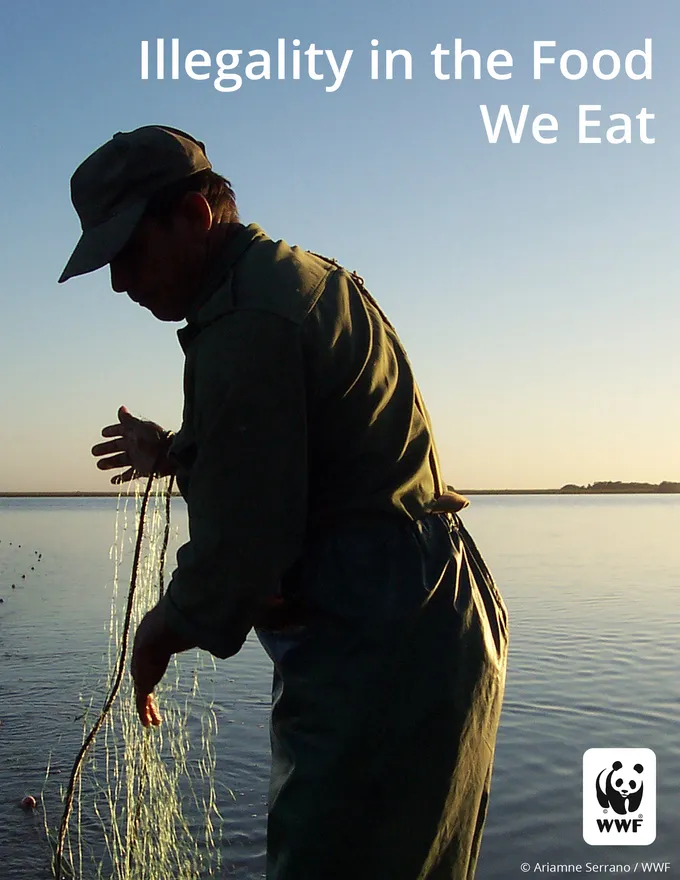
Illegality is embedded across the food value chain and in the food we eat. It is a drastically underrated issue that will only get worse as the human population grows, demand for food increases, and the climate changes. It needs systematic attention of all those involved from commodity producers, traders and marketers to retailers and brands, national governments and, most of all, the public.
-
In the US, approximately 63 million tons of food are lost or wasted each year, while one in seven Americans, including 13.1 million children, live in food-insecure households. An estimated 40% of food waste in the US occurs in consumer-facing businesses such as retailers, restaurants, hospitality, and institutions like schools. Through the National School Lunch Program (NSLP) and School Breakfast Program (SBP), US schools serve approximately 30 million lunches and 14.6 million breakfasts each day to eligible students, at an annual cost of about $17.8 billion federal dollars.
But how much of that federally-funded food winds up in the trash?
With so much food moving through schools each day, there is a huge opportunity to work with students, teachers, food service providers, cafeteria staff, and more, to fight waste and inspire change in both institutions and young people. Schools can use their cafeterias as classrooms and help students understand the connection between what they eat and their planet, and forge lifelong stewardship habits.
-
Bringing sustainable blue economy principles to the Arctic - full report
This report is the first study of its kind to outline how the Arctic‚'s biodiverse ocean resources and economies can be developed to ensure long-term, economic and ecosystem health for the region and the planet. It warns that conventional approaches to development threaten the viability of much of the region‚'s distinctive ecosystems, undermining sustainability for communities and economies.
-
-
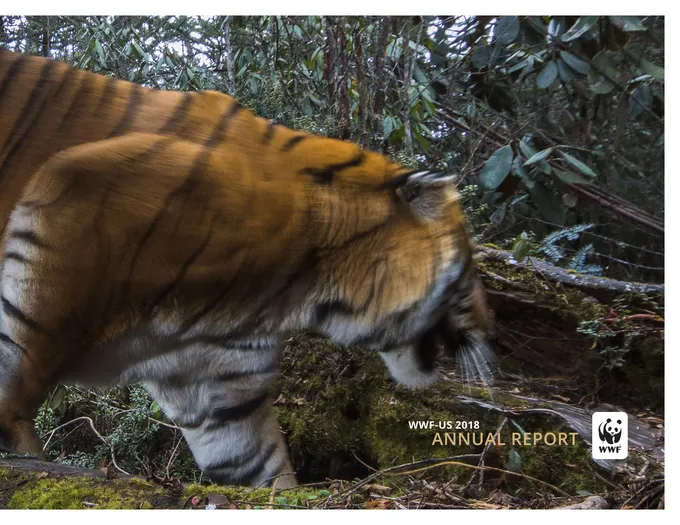
The Living Planet Report documents the state of the planet‚ – including biodiversity, ecosystems, and demand for natural resources‚ – and what it means for humans and wildlife. Published by WWF every two years, the report brings together a variety of research to provide a comprehensive view of the health of the Earth.
The report also tracks the state of global biodiversity by measuring the population abundance of thousands of vertebrate species around the world. The latest index shows an overall decline of 60% in population sizes between 1970 and 2014. Species population declines are especially pronounced in the tropics, with South and Central America suffering the most dramatic decline, an 89% loss compared to 1970. Freshwater species numbers have also declined dramatically, with the Freshwater Index showing an 83% decline since 1970. But measuring biodiversity‚ – all the varieties of life that can be found on Earth and their relationships to each other‚ – is complex, so this report also explores three other indicators measuring changes in species distribution, extinction risk and changes in community composition. All these paint the same picture‚ – showing severe declines or changes.
-
Through confidential collaboration with peers and engagement from WWF and Ceres, the Challenge helps companies refine their approaches to sustainable sourcing and water stewardship, ensuring that water and supply chain are embedded and mutually beneficial.
-
WWF‚'s Sustainable Ranching Initiative (SRI) has identified challenges and opportunities to help build the resilience of ranchers across the Northern Great Plains. This report is an annual evaluation of the impact that we are having on communities and biodiversity and identifies new areas where the SRI can have the greatest influence.
-
Given their central and indispensable role in preserving global biodiversity, one might wonder why there is not already a broad library of information on rangers addressing the many elements of this multifaceted profession.
This publication, assessing Asian and African ranger welfare perceptions, is the largest of its kind ever conducted with an aim to influence policy changes by providing a tool and evidence for use in lobbying government agencies. The report contains global data from 17 countries surveyed as well as regional data accompanied by quotes from rangers and personal stories.
We hope this helps fill this void and can shine a far brighter light on the conditions and realities of a profession that has remained very much in the shadows to this point.
-
Education is one of the most powerful drivers of change. For 24 years, the Russell E. Train Education for Nature Program (EFN) has played a pivotal role in preserving and restoring Earth’s epicenters of biodiversity by supporting conservationists across Africa, Asia, and Latin America. Through scholarships, fellowships, and small grants, EFN enables individuals to pursue degrees and attend trainings, and provides funding for local organizations to train communities in WWF priority places.
In 2019, EFN will celebrate its 25th anniversary. This milestone reminds us of the important legacy of Russell E. Train and the impact this program has had on 2,684 individuals and organizations worldwide. With over $21 million invested in education and training, EFN has helped transform students, researchers, and faculty into recognized experts, decision-makers, and role models. It has also enabled local organizations to build awareness, transfer skills, and empower tens of thousands of community members.