What is a pangolin?
Pangolins are mammals—and the only ones wholly covered in scales
© Shutterstock.com
What is a pangolin, really?

© naturepl.com / Pete Oxford / WWF
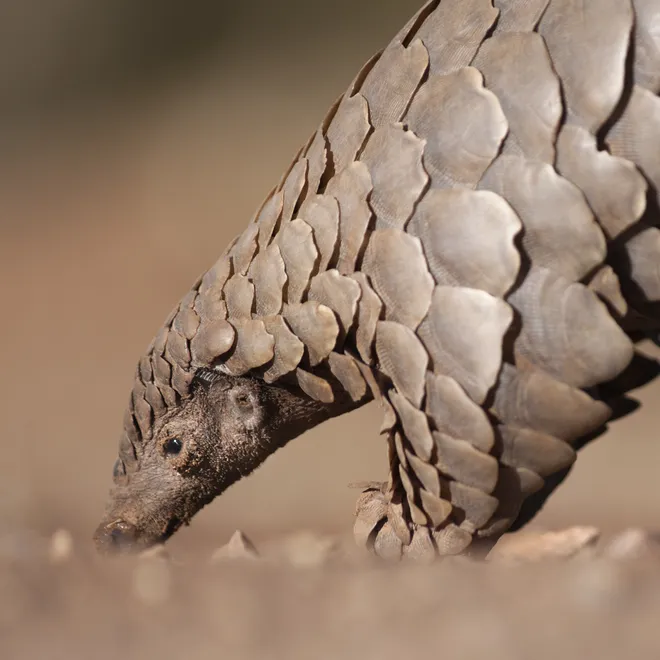
Though many think of them as reptiles, pangolins are actually mammals. Pangolins’ closest relatives are carnivores, from which they diverged almost 80 million years ago. However, scientists need to conduct more research on pangolins to better understand their taxonomy and evolution in order to improve protection.
Pangolins are the only mammals wholly covered in scales, and they use those scales to protect themselves from predators in the wild. If under threat, a pangolin will immediately curl into a tight ball and use its sharp-scaled tails to defend itself.
What do pangolins eat?
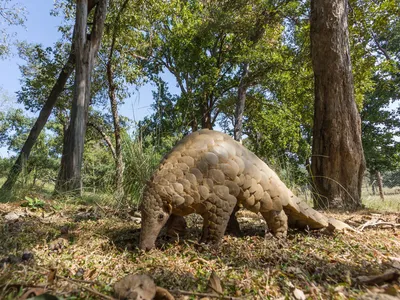
Pangolins eat ants, termites, and larvae and are often known as "the scaly anteater." Because they have no teeth, pangolins pick up food with their sticky tongues, which can sometimes reach lengths greater than the animal’s body.

© naturepl.com / Neil Aldridge / WWF
The most trafficked mammal in the world

© imageBROKER / Alamy Stock Photo
Pangolins are the most trafficked mammals in the world, with most trafficking in African species smuggled to Asia. Pangolins are in high demand in countries like China and Viet Nam. Their meat is considered a delicacy, and pangolin scales are used in traditional medicine. All eight IUCN-recognized pangolin species are protected under national and international laws. But there is still a growing international illegal trade in pangolins.
The period from 2017 to 2019 saw some of the largest confiscations, mostly involving African pangolin scales. During this time, more than 609 confiscations occurred in Asia, accounting for the seizure of 540,000 pounds of scales and 10,971 individual animals. Experts believe that seizures represent as little as 10% of the actual volume of pangolins in the illegal wildlife trade.
© Yashpal Rathore / naturepl.com / WWF
Stop wildlife crime
Pledge to stop wildlife crime and commit to preserving nature's beauty for future generations.
Sign the petition todayIs there any good news for pangolins?
Yes! In 2016, a treaty of over 180 governments announced an agreement that would end all legal trade of pangolins and further protect the species from extinction. However, illegal trade of the species continues. WWF works to protect species from wildlife crime. In Asia, we work to reduce consumer demand for illegal wildlife products with campaigns and partnerships with governments and businesses.
In June 2020, China increased protection for the native Chinese Pangolin (Manis pentadactyla) to the highest level, which closed an important loophole for consumption of the species in-country. Additionally, the government would no longer allow the use of pangolin scales in traditional medicine, a big win given that an estimated 195,000 pangolins were trafficked in 2019 for their scales alone.1
What can I do to help pangolins?
You can help report pangolin products for sale online through the Coalition to End Wildlife Trafficking Online’s reporting form or Coalition member companies' reporting links. See what these products look like on the Coalition’s Look Out Online page.
You can also sign our pledge to Stop Wildlife Crime to protect pangolins and other threatened species.
© WWF-US / WWFGifts
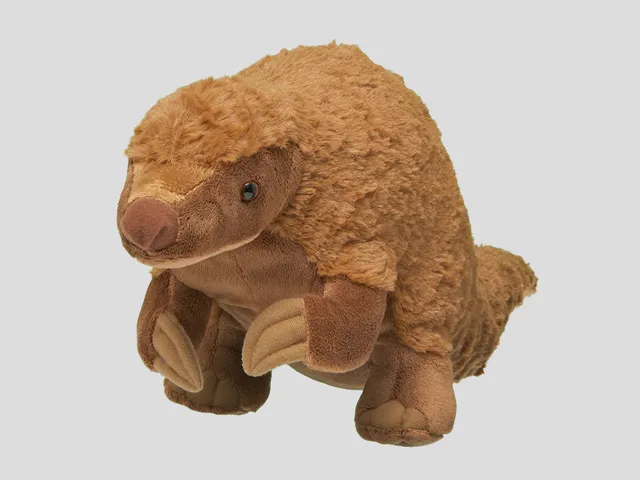
Adopt a pangolin
Support WWF’s global efforts to protect wild animals and their habitats and choose from kits with plush and more.
Sources
1 Challender, et. al, 2020.