
© TK | Karine Aigner/WWF-US
Freshwater
Protect the world’s freshwater resources and landscapes to support biodiversity and human livelihoods
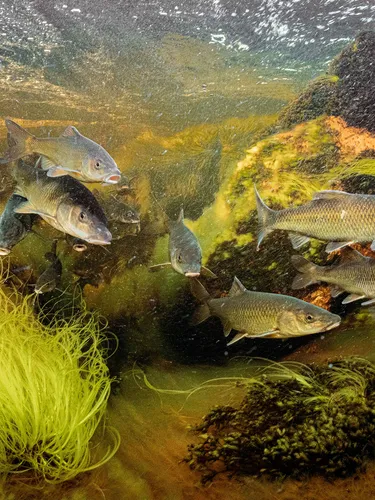
All life needs water. It is the world’s most precious resource, fueling everything from the food you eat, to the cotton you wear, to the energy you depend upon every day. Freshwater habitats—such as lakes, rivers, streams, wetlands, and aquifers—house an incredible proportion of the world’s biodiversity: more than 10% of all known animals and about 50% of all known fish species. Yet despite the massive role water plays for people and nature, it is a surprisingly finite resource. Less than 1% of the world's water is fresh and accessible.
It’s also threatened. Climate change, population growth, and changing consumption patterns are just a few of the myriad forces putting freshwater systems increasingly at risk. Freshwater species are declining at an alarming rate of 76%—much faster than terrestrial or marine species—and freshwater habitats are in worse condition than those of forests, grassland, or coastal systems.
Protecting fresh water cannot happen alone. WWF partners with governments, businesses, international financial institutions, and communities to ensure healthy freshwater systems exist to conserve wildlife and provide a sustainable future for all. Together, we can create a water-secure future.
News and stories
The importance of water
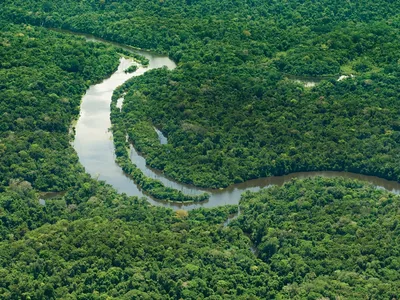
Nature
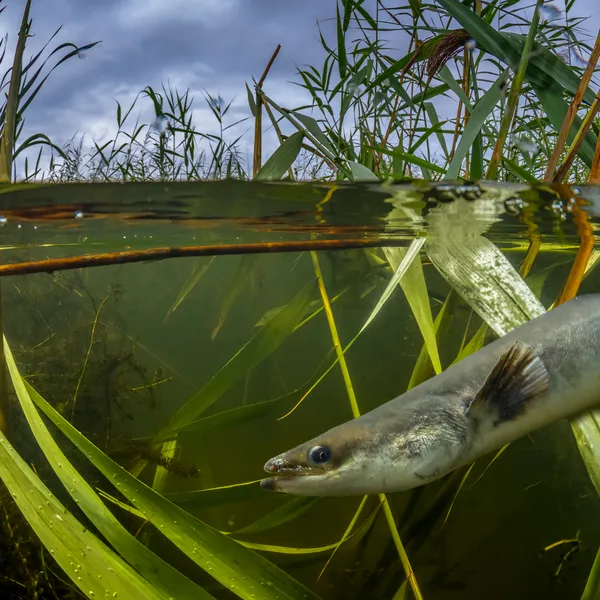
Freshwater ecosystems cover less than 0.01% of the planet’s total surface area but they support more than 125,000 species, from fish to terrestrial animals. However, more than half of the world’s wetlands have disappeared since 1900, and fewer than 70 of the world’s 177 longest rivers remain free of man-made obstructions.
© WWF-US/Ricardo Lisboa
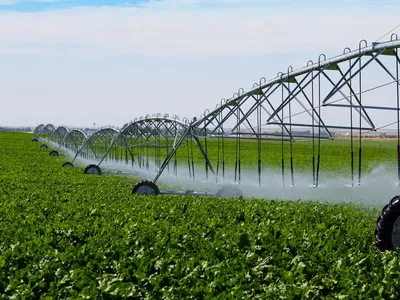
Food
Globally, agriculture uses the highest percentage of freshwater, accounting for about 70% of total water withdrawals. As the planet’s population increases and consumption patterns change alongside economic prosperity, global demand for food will increase. Freshwater fish also provide an important source of protein and livelihoods for millions of people around the world.
© Shutterstock / Brenda Carson
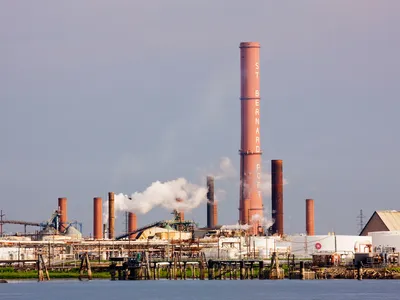
Business
Nearly every business is water-dependent in one way or another. Issues of water scarcity and poor water quality have significant and growing social, environmental and economic consequences. And although water risk is rising quickly on the agenda of business and investors, many businesses are just beginning to understand what fresh water means to them, their profits, and their company’s long-term viability.
© Getty Images/Jeremy Woodhouse
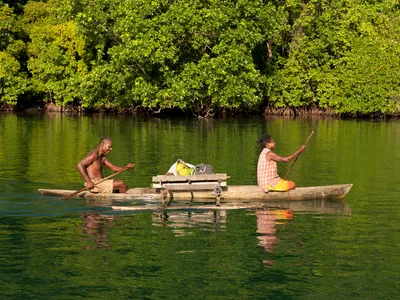
Healthy communities
Clean, fresh water is an essential ingredient for a healthy human life, but 1.1 billion people lack access to water and 2.4 billion don’t have adequate sanitation. Diseases caused by unsafe water and inadequate sanitation kill more people every year than all forms of violence, including war. The situation is predicted to get worse: by 2025, two-thirds of the world’s population may be facing water shortages.
© Jürgen Freund / WWF
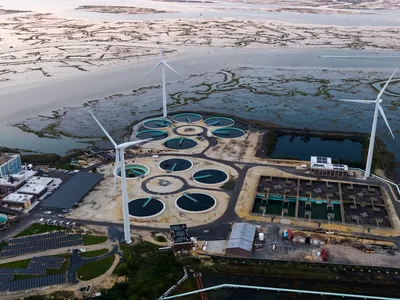
Energy
Energy and water are interdependent. Energy is required for pumping, storing, transporting and treating water, and water is essential for producing almost all kinds of energy. While the role of water in hydropower is obvious, water also irrigates biofuels, plays an essential role in fracking, and cools thermoelectric power plants like coal, nuclear, natural gas, and oil.
© Alex Potemkin / Getty Images / WWF-US
WWF's work on freshwater
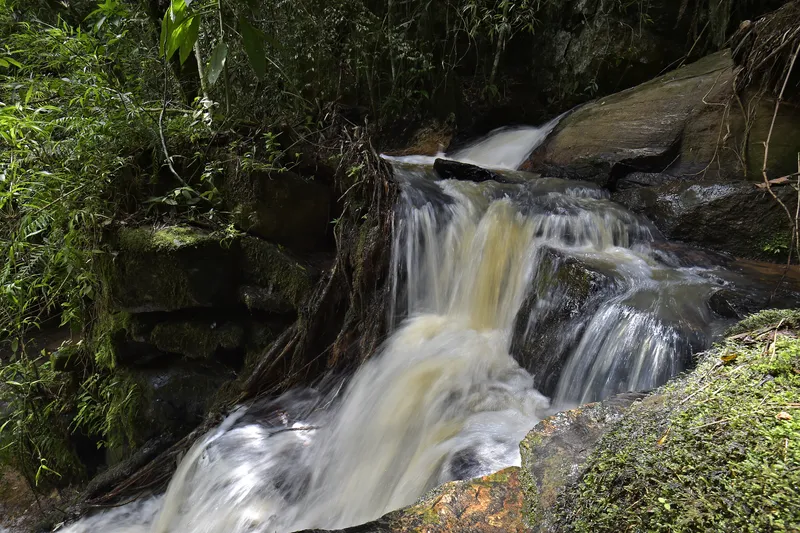
© Adriano Gambarini/WWF-US.
Advancing corporate water stewardship
We believe businesses can help us solve the world’s water problems. WWF helps governments, companies, investors, communities, and others understand their water footprints and water-related risks. More importantly, we help our partners go beyond adopting water efficiency practices to becoming better water stewards. As water is the ultimate shared resource, it can only be managed sustainably if all water users in the river basin work together. Water stewardship requires collaboration with all levels of government, local communities, and other industries in a basin—sometimes even competitors—to ultimately change how water is governed and embed the value of nature into business planning. We challenge businesses to think differently about water and to help us accelerate stewardship efforts because it’s good for business, it’s good for people, and it’s good for nature.
WWF also seeks to move water stewardship forward at a global level. We lead and support numerous ground-breaking initiatives, including the Alliance for Water Stewardship's standard, United Nations-supported Principles for Responsible Investment (PRI)’s work with investors, engagement with business sector sustainability initiatives, scientific assessments of how implementing commodity standards can benefit water quality and quantity, and water footprinting and mapping tools such as the Water Risk Filter. As part of the White House Climate Data Initiative, WWF committed to expanding, maintaining, and sharing our research in partnership with leading technology companies. Such resources will empower industry, financiers, and policymakers to strengthen global water stewardship, food security, and climate resiliency.
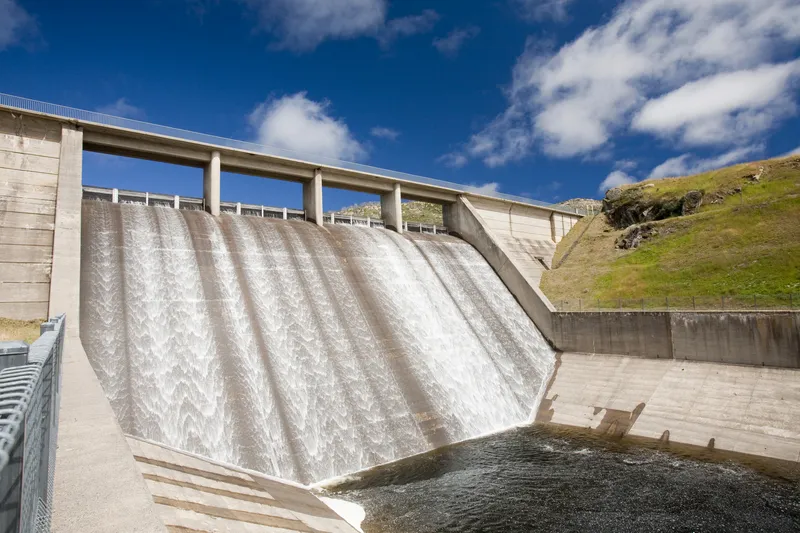
© Global Warming Images / WWF-Canon
Promoting good water governance
WWF seeks to change how water is managed around the world. We encourage states relying on the same river to better coordinate their shared freshwater resources, and we advocate for water security in sustainable development. We also help strengthen the effectiveness of river basin management organizations so they are empowered to protect the natural capital of river basins and ensure climate-smart governance. By partnering with multilateral institutions and global influencers like the Global Environment Facility (GEF), we can bring our holistic management and policy solutions to scale. We also push governments and others to place water higher on global and regional agendas to ensure that freshwater ecosystem integrity is considered in decision-making processes. One way we work towards this is through our Basin Report Card Initiative.
© Bruce D Taubert
Protecting freshwater ecosystems
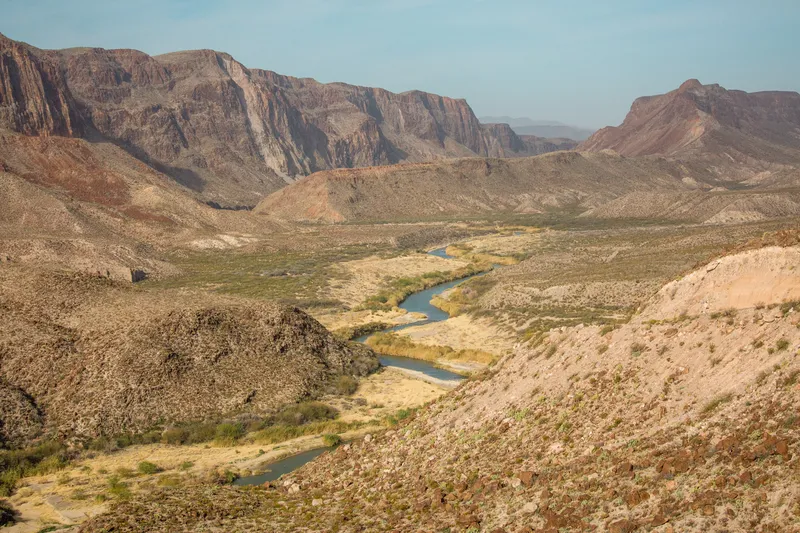
Every river has a source. From its birthplace—usually a snow-covered mountain peak or thick forest—a river will pass through rural communities, densely populated cities, business parks, and farmland before reaching the ocean. WWF embraces a holistic basin-wide approach to address the variety of threats to freshwater. We work on the ground in key rivers basins around the world, supporting responsible water use and infrastructure, and testing and implementing innovative solutions. We bring to bear our climate and hydrological expertise, relationships with private and public sector influencers, academic partners, and an extensive global network to strengthen the resiliency of freshwater systems. Learning from our experience on the ground, we also seek to develop and share tools, techniques, and knowledge globally.
© Audra Melton / WWF-US
Managing water resources in a changing climate
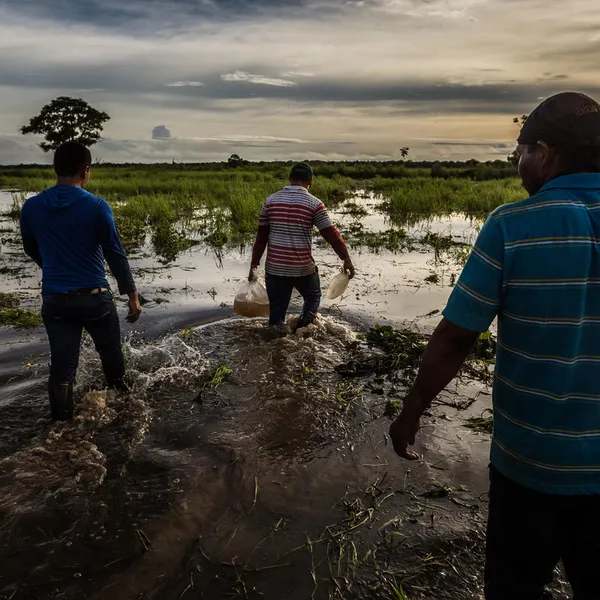
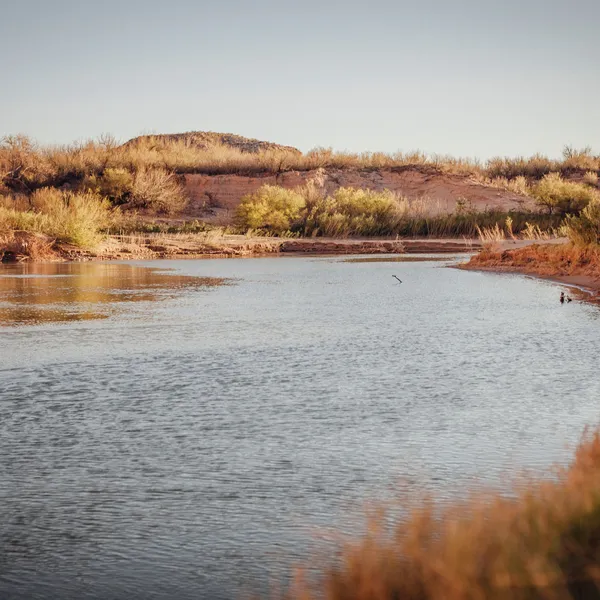
WWF has collaborated with local stakeholders and governments in critical river basins around the world to assess climate change vulnerability and plan interventions. Because institutions are central to the way water resources are managed, WWF has also engaged institutional partners to investigate how to most effectively adapt to climate change. By both working in the field, where many impacts are already being felt, and partnering with institutions, which influence water management decisions, we hope to safeguard a future where both human and environmental needs are met. We are particularly focused on building water security in the face of climate change in Asia's High Mountains and in the Chihuahuan Desert.
Nature Needs Us Now
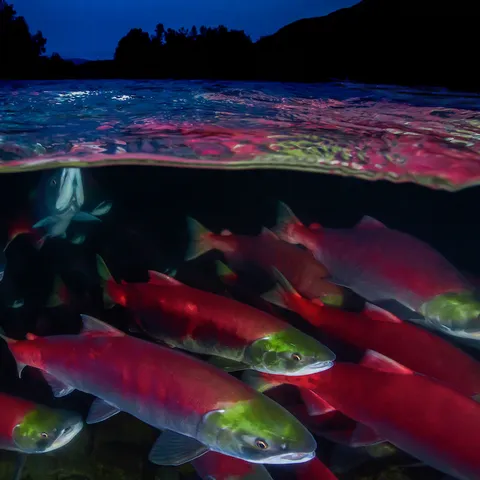
Nature gives us everything we need to survive, but it's under threat like never before. The crisis demands immediate action from all of us.
© Nature Picture Library/David Hall
Experts
-

Angela L. Bowman
Senior Director, Freshwater Metrics & US Waterscapes
-

Stephanie Cappa
Director, Policy and Government Affairs
-

Kerry Cesareo
Senior Vice President, Forests and Freshwater
-

Sarah Davidson
Director of Water Policy
-
Payal Luthra
Global Apparel and Textiles Lead, Freshwater
-

Jeff Opperman
Global Freshwater Lead Scientist
-
Enrique Prunes
Rio Grande Manager and Freshwater Lead Specialist, Freshwater
-

Michele Thieme
Vice President and Deputy Director, Freshwater
-

Derek Vollmer
Director, Waterscapes