Can investing in nature help lower insurance costs?

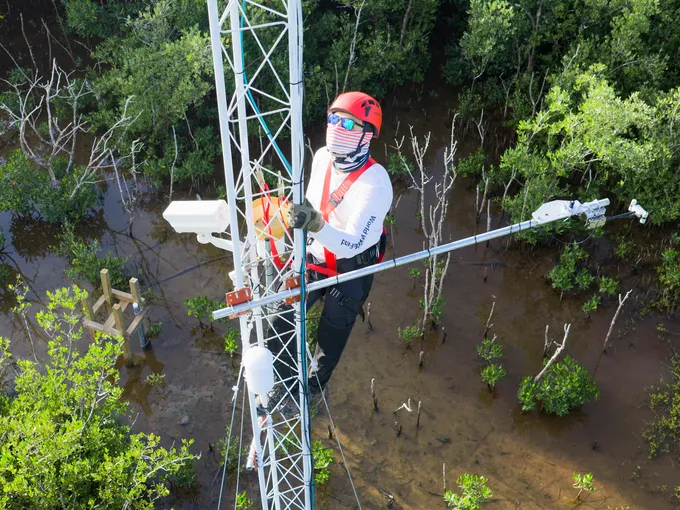
© iStock.com/FJZEA; iStock.com/FRANKRAMSPOTT
-
$182.7 billion
Total economic losses from extreme weather events
-
$112.7 billion
Losses covered by insurance
-
$70 billion (the protection gap)
Economic losses from extreme weather events not covered by insurance
According to recent data, 13.4% of US homeowners lacked homeowner insurance in 2024, up from 7.4% in 2021.
As climate change continues to fuel extreme weather, traditional insurance markets are struggling to keep up. Premiums are skyrocketing, and individuals, businesses, and governments are increasingly on the hook to pay for what insurance doesn’t cover when disaster strikes. This “insurance protection gap” now averages $64 billion per year in the US.
But investing in nature can help communities reduce their risk in the face of climate change—and keep insurance costs in check. For example, wetlands absorb floodwaters, intact mangroves buffer against storm surges, and healthy forests prevent landslides and better resist fires. In fact, new research shows that every dollar spent on nature to protect communities can save up to $13 in future damages.
The sooner governments and insurance companies recognize how nature-based solutions shield us from disaster—and begin building those benefits into insurance models—the better markets and people will be able to weather the ever-growing threats caused by climate change.
BILLION-DOLLAR DISASTERS
The US experienced 27 different billion-dollar weather and climate disasters in 2024*
- 11 severe weather events
- 6 tornadoes
- 5 tropical cyclones
- 2 winter storms
- 1 flood
- 1 wildfire
- 1 drought and heat wave
*Source: National Oceanic and Atmospheric Administration. Figures reflect the most recent available data.
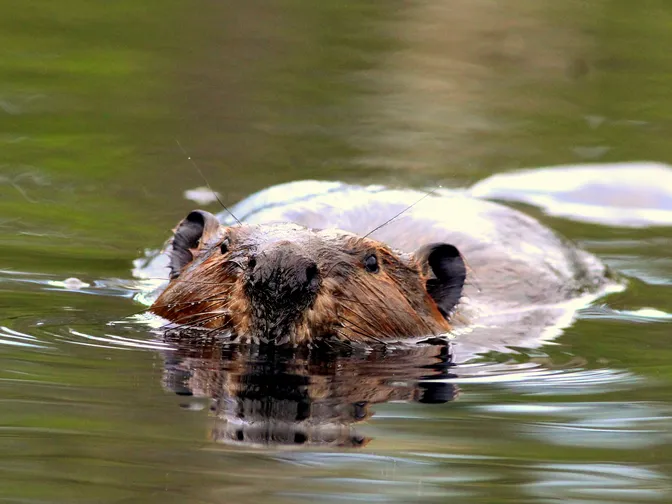
© Sara Germain/USFWS
Explore more
Keep reading this issue of World Wildlife magazine