Strawberries, America’s most eaten berry

© NMINT - STOCK.ADOBE.COM
For ancient Romans, the juicy, heart-shaped strawberry symbolized Venus, the goddess of love. Centuries later, French gardeners cultivated the plump, sweet fruit we know today. Now, strawberries are a kitchen staple, found in 94% of American households, making them the most devoured berry in the country.
The average American consumes about eight pounds of strawberries each year— mostly fresh.
Younger people especially crave organic strawberries, which in 2024 accounted for nearly 12% of retail strawberry sales.
Fresh ideas
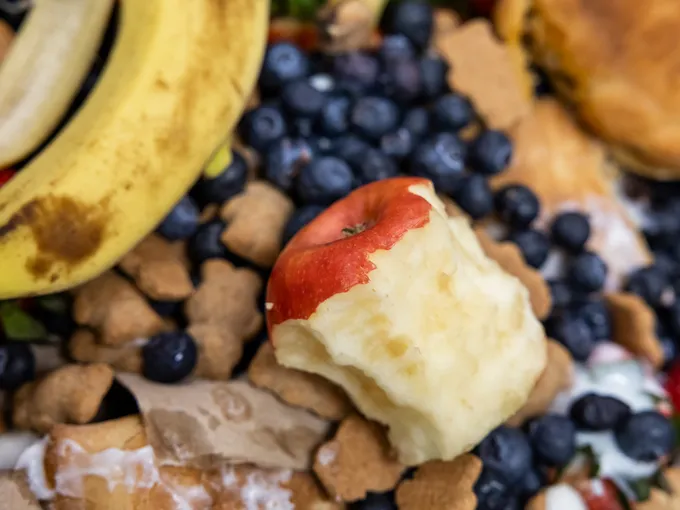
Strawberries are easily bruised and quick to spoil, which can lead to significant losses. In 2023, WWF and partner ReFED launched the US Food Waste Pact, an initiative joining the nation’s largest retailers, food service companies, and manufacturers to improve efficiency across the supply chain, reduce food waste, and get edible but imperfect strawberries into the marketplace.

© ISTOCK.COM/DEVONYU
© KIBERSTALKER - STOCK.ADOBE.COM
90%
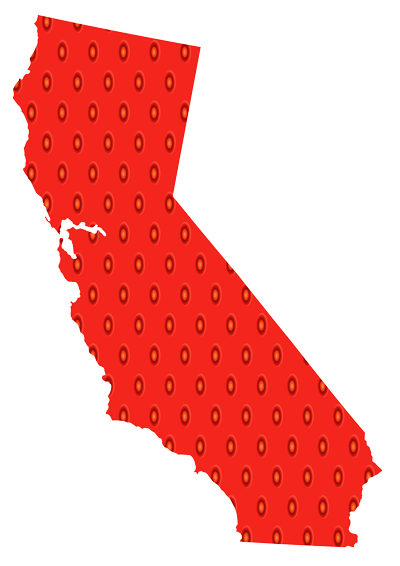
With moderate temperatures and a long growing season, California grows about 90% of the nation’s strawberries, contributing to a harvest worth more than $3 billion in recent years. But in the coming decades, climate pressures could shrink yields and drive up costs.
Toxic harvest
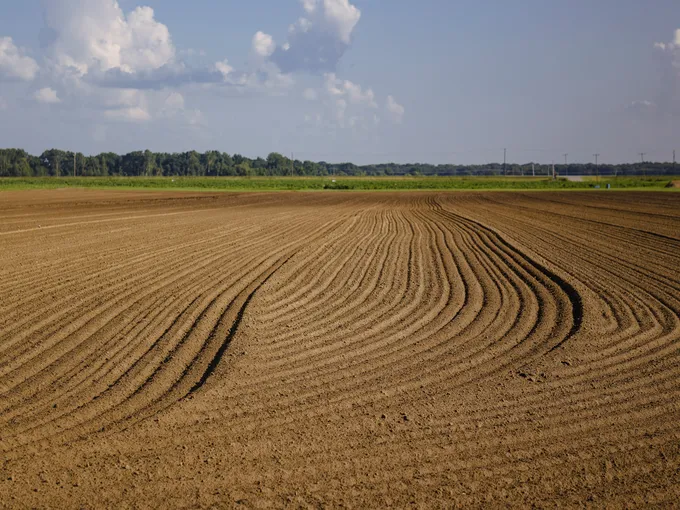
Susceptible to a range of pests and soil diseases, strawberries are typically treated with pesticides and soil-protecting fumigants. A 2016 USDA study showed that conventionally grown strawberries contained residue from an average of eight different pesticides.
>1/3
A landmark study by the Pacific Coast Food Waste Commitment in 2023 found that more than one-third of strawberries never leave the field. Some are missed by pickers; others are rejected for not meeting buyer standards for size, shape, or appearance. Those findings were enabled by the Global Farm Loss Tool, a resource developed by WWF and partners to help growers quantify and minimize their on-farm losses.
© Sarah Mosquera / WWF-US
Explore more
Keep reading this issue of World Wildlife magazine