Experts work to increase tiger prey in Thailand to boost tiger numbers
MAE WONG NATIONAL PARK :: THAILAND
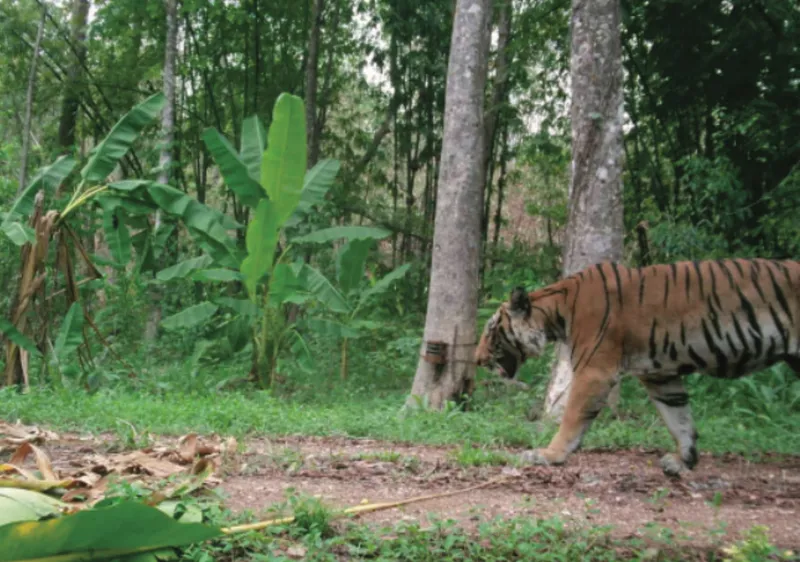
Tigers in Thailand feast on prey ranging from sambar deer to wild pigs to guar and banteng (wild bison and cattle, respectively). And while the country’s tiger population has remained stable, WWF-Thailand’s Tiger Recovery team wanted to accelerate the pace of tiger population growth. They homed in on sambar deer as the key prey species to focus on, since scientists believe the deer are the “right match” for the rare carnivores—and so can support an uptick in tiger numbers.
© DNP & WWF-THAILAND
Varied approach
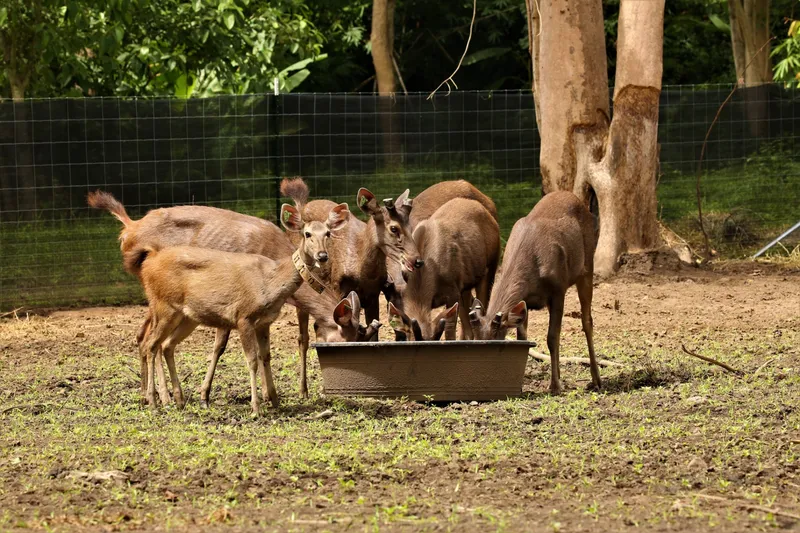
In Thailand’s western forests, the presence of tigers is a strong indicator of a healthy ecosystem. To support sambar deer population growth there—and increase tiger numbers in turn—WWF has been restoring grasslands and creating artificial saltlicks. Team members also support existing community initiatives that reduce poaching and help improve human-tiger relationships in the area.
© W. PHUMANEE/WWF-THAILAND
Into the wild
In 2021, the Tiger Recovery Team—in partnership with Thailand’s Department of National Parks, Wildlife and Plant Conservation—released 32 sambar deer into Mae Wong National Park. Raised at one of the department’s breeding centers, the animals were selected for their good health and age (1.5 years). For each male in the group, three to four females were released.
© W. PHUMANEE/WWF-THAILAND
Locked in
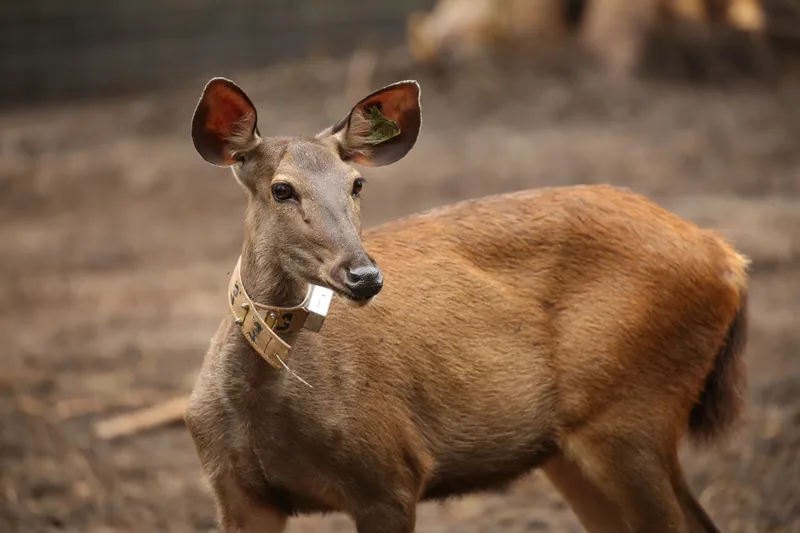
Before their release, a dozen sambar deer were fitted with radio collars, which allow the team to track the deer’s movement for up to four months, offering insight into their habitat preferences and survival.
© W. PHUMANEE/WWF-THAILAND
Tiger team effort
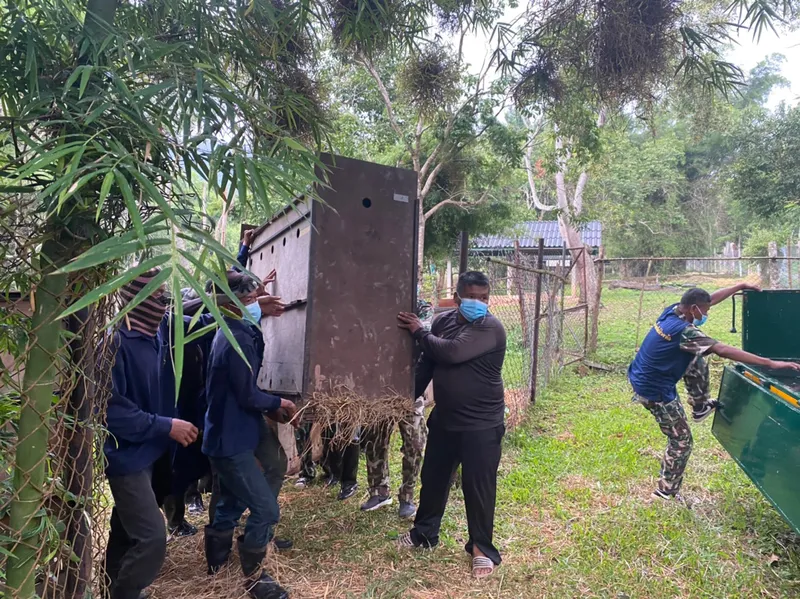
Additional sambar deer releases at Mae Wong and an adjoining protected area are scheduled for 2022. The 2021 and 2022 sambar deer release efforts are setting the stage for a much-expanded release project that WWF-Thailand will initiate in 2023, with the expectation of releasing several hundred animals in additional national parks and wildlife sanctuaries across Western Thailand over the next five years.

© Tim Flach Photography
Explore more
Keep reading this issue of World Wildlife magazine