In Eastern Tanzania, vegetable oil and sustainable timber help sustain livelihoods

© JERRY MUSHALA/WWF-UK
KILWA :: TANZANIA
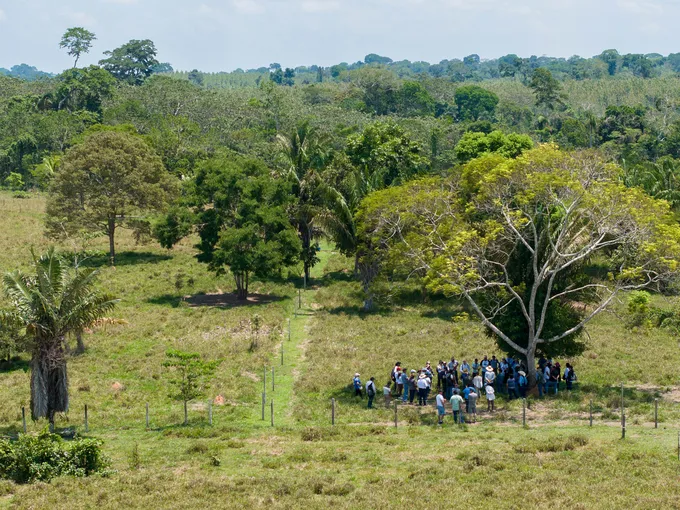
In Mchakama, a village in eastern Tanzania, farmer Mwanaidi Machemba cultivates sunflowers. In turn, the flowers are helping her community blossom. A new oil press supplied by WWF that processes the plant’s seeds has added a direly needed source of income for her village, providing jobs for 20 women. This venture has also helped prevent the clear-cutting of timber forests for agriculture. Another benefit? “Now we no longer depend on cooking oil from outside the village, but we feed other villages,” Machemba says.
As the chairperson of her community’s Village Land Forest Reserve (VLFR), Machemba helps make decisions on agricultural projects like sunflower oil production and timber harvesting.
Ensuring villages have control over agriculture and forestry decisions has proved more sustainable than previous practices such as sesame production and illegal timber harvesting and puts profits back in the hands of communities. And with this extra income, Mchakama’s VLFR invests in the community with social support programs such as a youth carpentry workshop, new schools, and hospitals.
VLFRs also protect forests. In more than a decade, around 1.5 million acres of forests have been saved in the Ruvuma region of Tanzania alone.

© TOM COATES
Explore more
Keep reading this issue of World Wildlife magazine