
Making America’s national park gateways greener
By
-
Tessa Bellone

© Mick Haupt / Unsplash
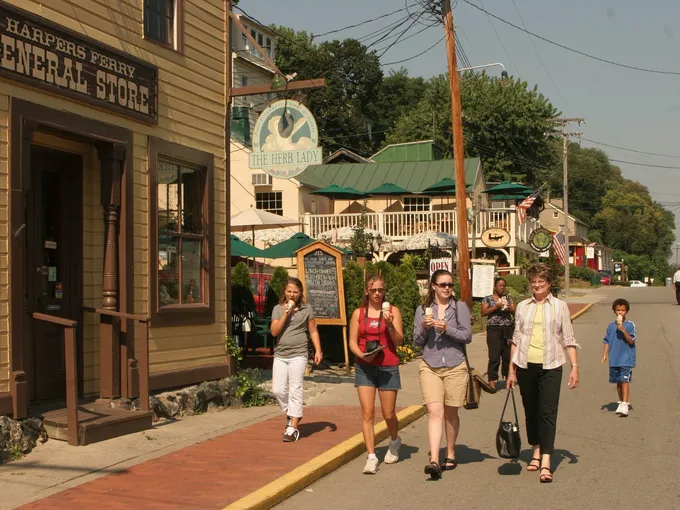
A trip to a U.S. National Park doesn’t start at the trailhead. For more than 94 million avid parkgoers each year, the visit actually begins in the small towns that serve as gateways to the parks, where tourists pause to grab a meal, stock up on snacks, and generate the everyday waste that comes with a busy tourism season.
For these small gateway communities, the influx of seasonal visitors (and their trash) can put a real strain on waste systems which were designed to support a town of only a few thousand residents. As tourism ramps up, so does the corresponding surge in food packaging and takeout containers, much of which ends up littering hiking trails or cluttering landfills. This type of waste also commonly contains harmful chemicals such as per- and polyfluoroalkyl substances (PFAS), which can be especially damaging to the surrounding ecosystems and waterways.
That’s why WWF’s Greener Gateways Project is providing the support local businesses need to make sure that overflow waste doesn’t end up flowing into America’s most iconic landscapes.
© NPS/CWest
© NPS
Launched in Fall 2026 and funded by the United States Department of Agriculture (USDA), the Greener Gateways Project will spend the next year working directly with four gateway communities outside Yosemite National Park in California and Big Bend National Park in Texas. Local food businesses and other community stakeholders will participate in hands-on WWF-led workshops focused on practical ways to reduce waste upstream, before it ever becomes trash. That could mean rethinking which single-use plastics businesses purchase, finding less-problematic alternatives, or exploring well-designed reuse systems that can cut down on disposable packaging altogether. These initial workshops will help demonstrate what’s possible when local businesses, community leaders, and conservation organizations work together on practical, locally driven solutions.

© NPS Photo/Janice Wei
Guided by insights learned from direct community engagement in California and Texas, WWF will then publish the Greener Gateways Toolkit in 2027. This publicly available resource will ensure these lessons can reach additional communities across the country, giving more gateway communities the tools to reduce waste, protect surrounding ecosystems, and build more resilient local economies.
With the National Parks as their backyard, gateway communities are uniquely positioned to inform and shape the solutions that work best for both residents and visitors. By equipping local stakeholders with the knowledge and tools to drive waste reduction, WWF aims to empower local champions to protect these treasured landscapes and keep our National Parks pristine for generations to come.
Want to get involved? Reach out to [email protected].
This material is based upon work supported under a grant by the Rural Utilities Service, United States Department of Agriculture. Any opinions, findings, and conclusions or recommendations expressed in this material are solely the responsibility of the authors and do not necessarily represent the official views of the Rural Utilities Service.
WORLD WILDLIFE FUND, INC., is an equal opportunity provider and employer.