In Peru's Rainforest, a Closer Look Reveals Abundant Treasures

© WWF-US/SHAUN MARTIN
PACAYA-SAMIRIA RESERVE :: PERU
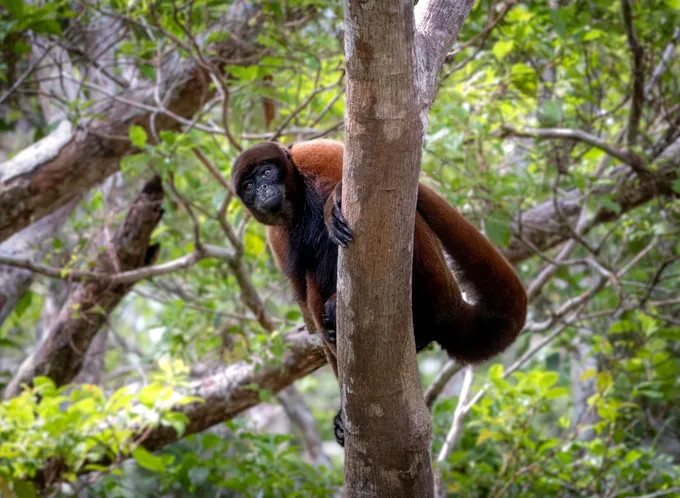
They’re here. Everywhere. Their presence is betrayed by a boisterous symphony that provides a soundtrack to our journey through this vast expanse of wilderness—birds singing, insects buzzing, frogs chirping, monkeys calling. Yet untrained eyes can easily miss the incredible creatures that abound in Peru’s Pacaya-Samiria Reserve.
I’d been to the Amazon rain forest before, but this felt like a wholly new experience. Whether chugging along the calm, murky Ucayali River by skiff or rambling through dense tropical foliage, it was never long before we encountered some new wonder. My fellow travelers and I marveled at our local guides’ ability to spot the seemingly invisible.
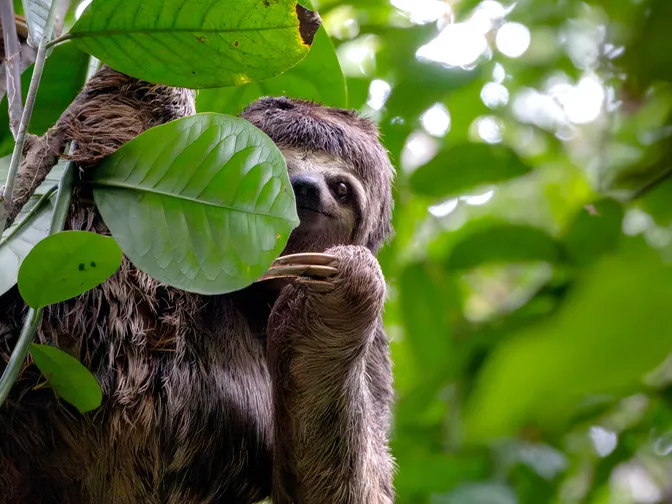
Long-nosed bats clung to the side of a tree, perfectly camouflaged against craggy bark. A poison dart frog, no larger than my thumbnail, appeared on a trail in front of us. A motionless brown ball of fur turned out to be a sloth. The world’s smallest monkey, a pygmy marmoset, perched nervously on a branch, watching for predators above. Only the brightly plumaged macaws seemed to want to draw our attention.
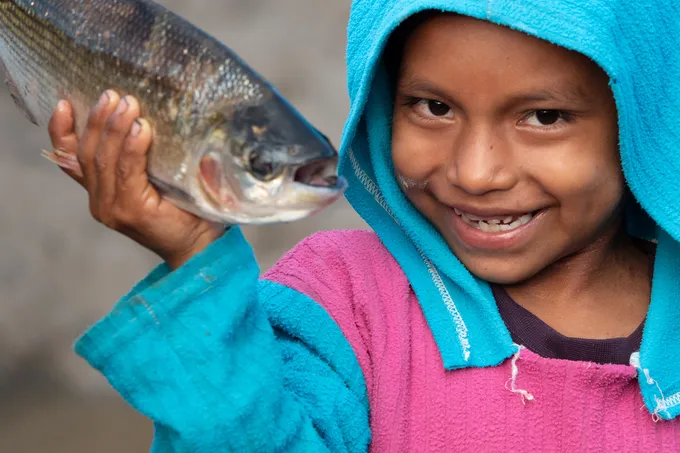
But the reserve is more than a sanctuary for biodiversity. This mosaic of flooded forests, lagoons, and tributaries is also home to people whose lives are intertwined with—and depend on—nature. And unlike the elusive animals, local villagers wanted to engage with us. For eight days, they greeted us with warm smiles as they went about their daily activities. How grateful I am to have had a brief glimpse of this magical corner of planet Earth.

© WWF-US/SHAUN MARTIN

© WWF-US/SHAUN MARTIN
© WWF-US/SHAUN MARTIN
© WWF-US/SHAUN MARTIN

© WWF-US/SHAUN MARTIN
© WWF-US/SHAUN MARTIN
Explore more
Keep reading this issue of World Wildlife magazine