
Leveling the playing field for traceability tools
Introducing the Traceability Tools Navigator

By

© Christian Braga / WWF-Brazil
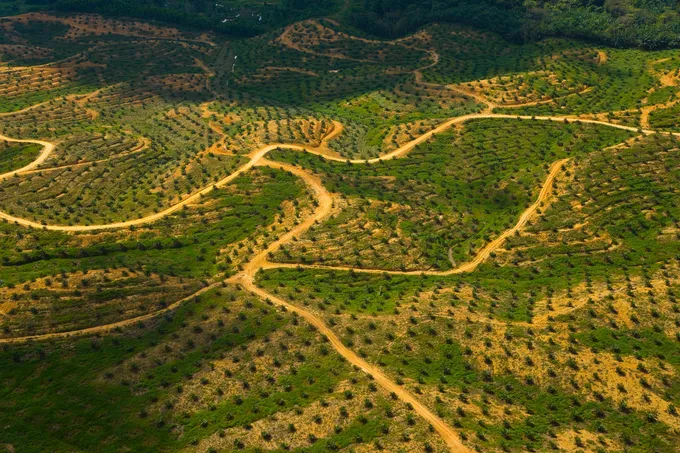
Halting the loss of natural forests and other ecosystems is at the heart of WWF’s conservation mission. It requires the transformation of global trade in the commodities most closely tied to deforestation and conversion, such as timber, palm oil, soy, rubber and cocoa. For many years, WWF has worked with companies and governments to make the production and trade of these forest-risk commodities deforestation- and conversion-free (DCF).
A major challenge is tracing final products back through lengthy, complex supply chains to the farms and forests from which they originate. Products typically pass through dozens of hands, including smallholder farmers, mills, secondary processors, traders and brokers, before reaching retail shelves. At each link in the chain, unwanted material can enter either inadvertently or deliberately by unscrupulous actors.
© naturepl.com / Juan Carlos Munoz / WWF

© Audra Melton / WWF-US
A powerful, growing global push to combat deforestation and other ecosystem conversion, control fraud and advance effective traceability is underway. It is driven by regulations like the European Union Deforestation Regulation (EUDR) as well as by major companies with voluntary commitments to DCF sourcing, including participants in WWF’s Forests Forward program. This has spurred dozens of digital tools that support due diligence and supply chain management by, among other things, establishing traceability for forest-risk products and monitoring deforestation and other land-use change through satellites.
The problem is no longer a lack of technology. It is too much technology with too little clarity about which tools suit which needs. WWF has partnered with Preferred by Nature to create the Traceability Tools Navigator (TTN) to fill that gap, helping companies and other stakeholders find their way through the fog-bound thickets of the digital tools landscape. Rather than promoting any single tool, the TTN is designed to provide an unbiased overview of the options available. Users can filter tools by important features, such as scope, data security and interoperability, cost, support services, and reporting, then compare them side by side. Providers must update their information on a regular basis, enabling the TTN to keep pace with a fast-changing field. Finally, tool providers can have Preferred by Nature audit and verify the features they claim, increasing transparency and credibility.

© WWF / Simon Rawles
Digital tools hold real promise for stemming nature loss, supporting regulatory compliance, and speeding the transition to DCF production and sourcing. Whether you are a timber trader demonstrating responsible and legal sourcing, a palm oil buyer proving a deforestation-free supply base, or a soy processor meeting a customer’s due diligence requirements, the fundamental question is the same: Which tools best meet my needs? By giving users a structured and impartial way to evaluate digital tools, the TTN will do more than save time. It can also push providers to compete on genuine performance rather than polish, driving a race to the top across the emerging digital tools industry.
© Adriano Gambarini / WWF-Brazil
Traceability Tools Navigator
The TTN helps companies compare traceability solutions for compliant, deforestation-free sourcing.
Explore the tool