Elephants reach new heights in northeastern India
As habitats rapidly change, new data on elephant distribution is helping us understand their needs and potential overlap with people
By
-
Stella McKitrick

© Arunachal Pradesh Forest Dept
Key takeaways
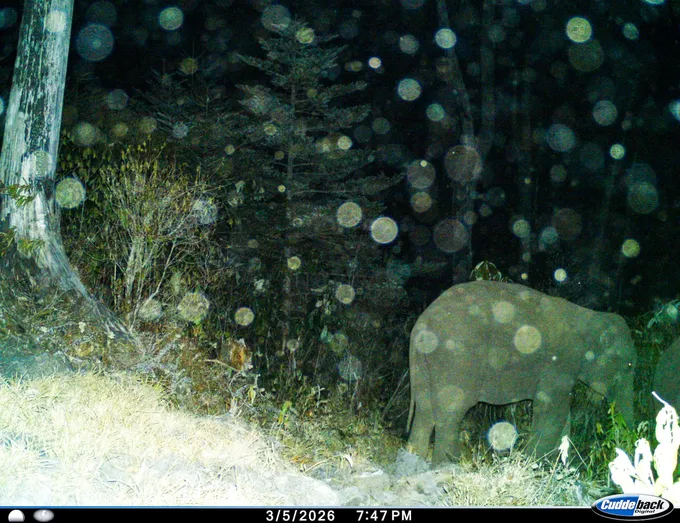
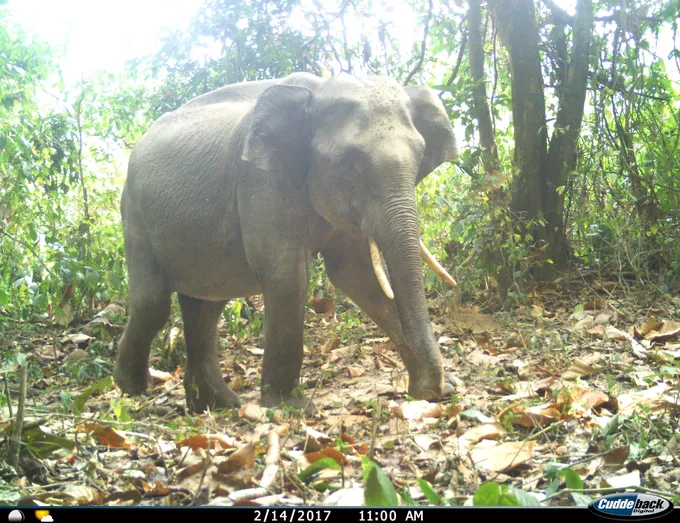
- Asian elephants in Arunachal Pradesh have been recorded at the highest documented elevation for the species worldwide.
- Habitat loss and development are increasing human-elephant conflicts, threatening people, livelihoods, property, and elephants.
- New statewide data is strengthening understanding of elephant movement, habitat needs, and conflict hotspots.
- Science, government leadership, community participation, and habitat protection support the state’s roadmap for moving toward coexistence.
In the mountains of the northeast Indian state of Arunachal Pradesh, elephants are challenging our assumptions on what we know about how high they can go within their range. Earlier this year, herds have been recorded at elevations of over 10,400 feet above sea level—the highest documented presence of Asian elephants anywhere in the world. This remarkable finding underscores both the resilience of elephants and the complexity of conserving them in a rapidly changing Himalayan region. As herds move across steep terrain, forests, farms, roads, and settlements, maintaining safe, connected habitats and effectively managing adverse impacts become essential for both elephants and people.
To better understand the status and trends of human-elephant conflict, a statewide assessment of elephant distribution, human-elephant conflict hotspots, habitat pressures, and landscape connectivity was conducted between December 2024 and March 2026 by the Arunachal Pradesh Forest Department and WWF-India. This is the first comprehensive effort to understand the scale, intensity, and patterns of human-elephant interactions across the state.
© Arunachal Pradesh Forest Dept
© Arunachal Pradesh Forest Dept
Understanding human-elephant conflict
Elephants have long been treasured in Arunachal Pradesh’s folklore and cultures. However, as rapid infrastructure growth, settlement expansion, and land-use change intensify, interactions between people and elephants are becoming more frequent and more complex.
These rising interactions pose significant challenges for both elephants and people. On average, around 600 people die from accidental encounters with elephants each year in India, and this number is expected to rise as human-elephant conflict increases. Local communities also experience significant crop losses and property damage, resulting in both direct and indirect costs. Elephants also suffer from these interactions. In India, more than 100 elephants die each year, on average, due to anthropogenic causes, with electrocution, often from fences illegally connected to major powerlines, as the predominant cause of non-natural elephant mortality.
Findings from the assessment informed the state’s first Action Plan for Managing Human-Elephant Conflict. The report outlines a framework for more effective management of human-elephant conflict by analyzing key drivers, including habitat loss, degradation, and fragmentation. It also provides pathways to reduce human casualties, offset crop losses, and establish community-led approaches for safer shared spaces among people and elephants in Arunachal Pradesh.
Among the immediate management interventions, the report highlights the importance of strengthening the state’s scientific understanding of human-elephant conflict. Evidence-based, strategic planning and locally grounded action create the potential for Arunachal Pradesh to become a leading example of human-elephant coexistence in complex, rapidly changing landscapes.
“These types of management plans based on solid scientific understanding of the local context highlight the importance of informed conservation decision-making in addressing issues like human-elephant conflict. We commend the Arunachal Pradesh State Government’s effort to develop the plan and hope subsequent implementation of identified management actions will enable improved coexistence in the state,” said Nilanga Jayasinghe, director for Asia wildlife at WWF-US and WWF network lead on Asian elephants.

© Arunachal Pradesh Forest Dept
How you can help
© WWF-US / WWFGifts
Adopt an Asian elephant
Support WWF’s global efforts to protect wild animals and their habitats and choose from kits with plush and more.