In good news for elephants, Africa’s largest savanna elephant population is stable
Results from the region’s first-ever transboundary aerial survey
By
-
Whitney Kent

© KAZA Secretariat
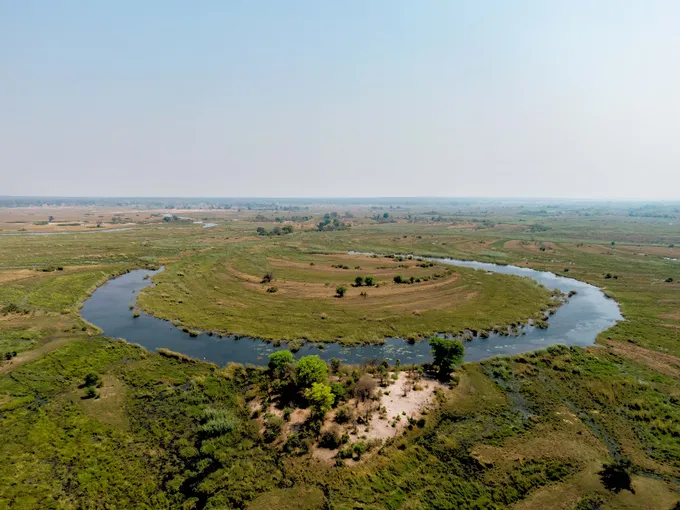
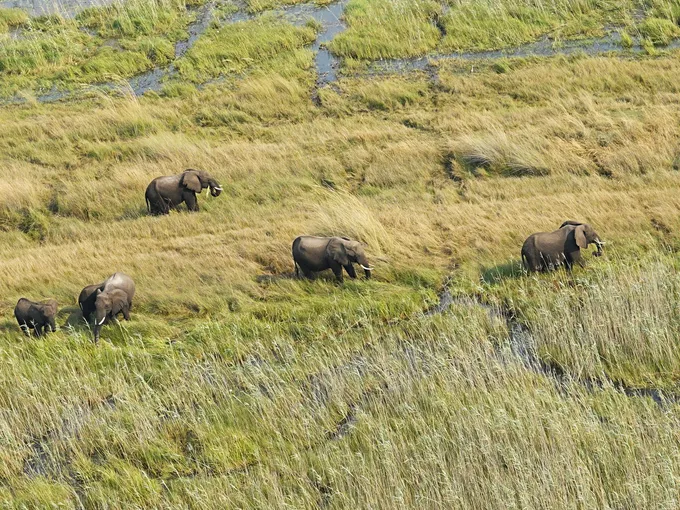
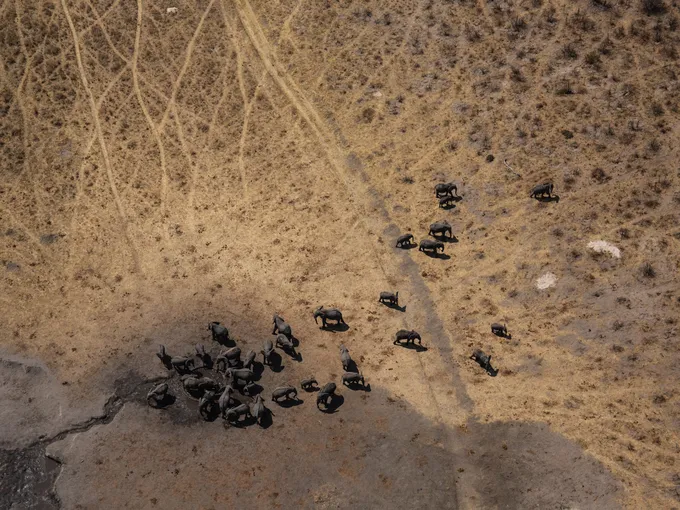
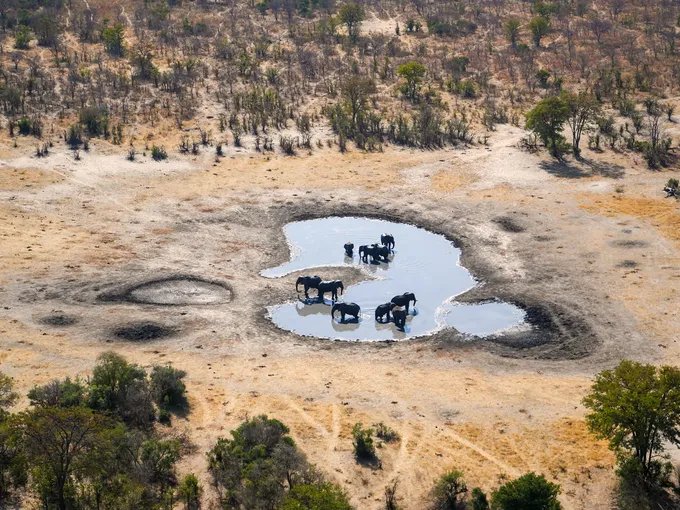
Seven aircraft surveyed over 40,000 miles of southern Africa’s Kavango Zambezi Transfrontier Conservation Area (KAZA TFCA) to estimate the number and distribution of Africa’s largest savanna elephant population. This first-ever synchronized transboundary survey took two months, from August to October 2022, to cover what equates to nearly twice the circumference of the globe. The results were just published, and found an overall stable and slightly increased population of 227,900 elephants in the region.
The last survey of KAZA’s elephant population was back in 2014 and 2015, which estimated around 217,000 elephants. However, unlike the latest survey, this one was based on compiling results from separate country surveys. Not only was the entire elephant range in KAZA not covered, but the surveys were conducted during different periods of time, meaning certain elephant herds were likely counted twice, or not at all.

© KAZA Secretariat

© KAZA Secretariat
The KAZA Elephant Survey was the first time that all five KAZA partner states—Angola, Botswana, Namibia, Zambia, and Zimbabwe—collaboratively undertook a standardized survey of the entire elephant population in this landscape in a single coordinated exercise. This is especially important in KAZA, one of the largest transboundary conservation areas in the world, where elephants and other wildlife regularly move across country borders. The survey was coordinated by the KAZA Secretariat, with support from WWF, Paul G. Allen Family Foundation, and others, as well as international and US governmental agencies like the US Fish and Wildlife Service and USAID.
The survey employed rigorous scientific standards that ensured its methods were consistent, recognized, and accepted internationally. The final report of the survey was independently reviewed by members of the IUCN’s African Elephant Specialist Group, adding an extra layer of validation to the results.
© KAZA Secretariat
© KAZA Secretariat
© KAZA Secretariat
© KAZA SECRETARIAT
Key takeaways
While the data suggests a slight increase and stable overall elephant population, elephant numbers and mortality rates varied both between and within countries in the region. We now have a relatively precise estimate of the current number of live elephants, elephant carcasses, and other large wild and domestic herbivores in the region. This can serve as baseline data for future monitoring and adds to recent advances in our understanding of elephant movements and connectivity in KAZA, based on analysis of long-term monitoring data from elephant satellite collars in the landscape.
Populations
The number of elephants in Angola increased, but the number of elephants in Zambia decreased. On the other hand, populations in Zimbabwe, Botswana, and Namibia increased slightly. These differences could stem from historical management approaches and differing ecological factors, many of which are influenced by humans.
Elephant mortality
An overall high carcass ratio was found, indicating a high elephant mortality. Angola, Botswana, and the Sebungwe region of Zimbabwe had the highest carcass ratios, which are likely a combination of various factors such as poaching, habitat loss, and associated human-elephant conflict, disease, aging populations, and additional natural causes. More investigation and analysis are needed to better understand the drivers behind the high mortality rates and to ensure that appropriate interventions are implemented.

© KAZA Secretariat
What’s next
The survey highlighted what further research is needed, particularly around identifying the drivers behind the high elephant mortality rates. The variations in elephant numbers and mortality rates throughout the survey area demonstrate the importance of considering the unique context of each area and country. Conservation initiatives should be tailored to the specific needs and challenges identified in different areas within KAZA.
Only through transboundary cooperation with governments, organizations, and local communities can we implement targeted interventions to address these threats. These may include measures to address poaching, manage human-wildlife conflict, restore and protect elephant habitats and migration corridors, and promote sustainable land-use practices. The long-term viability of KAZA’s elephants relies heavily on preserving connectivity between protected areas. The survey results complement and reinforce the research and policy recommendations laid out in the KAZA Policy Brief: Elephant Movements and Connectivity in the KAZA TFCA (2023), which provides guidance on how to secure and maintain elephant movement corridors and connectivity throughout the landscape
Moving forward, we’ll build off of what we learned from this survey to strengthen our understanding of KAZA’s elephants through ongoing monitoring, research, and collaborative approaches, ensuring that the world’s largest elephant population continues to thrive.
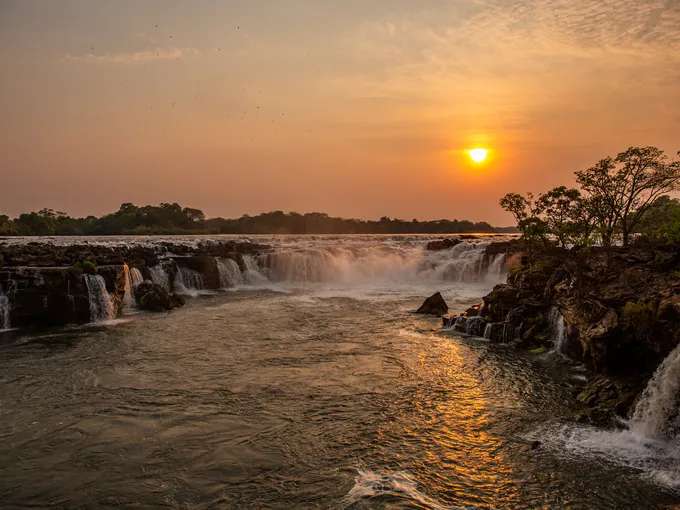
© KAZA Secretariat
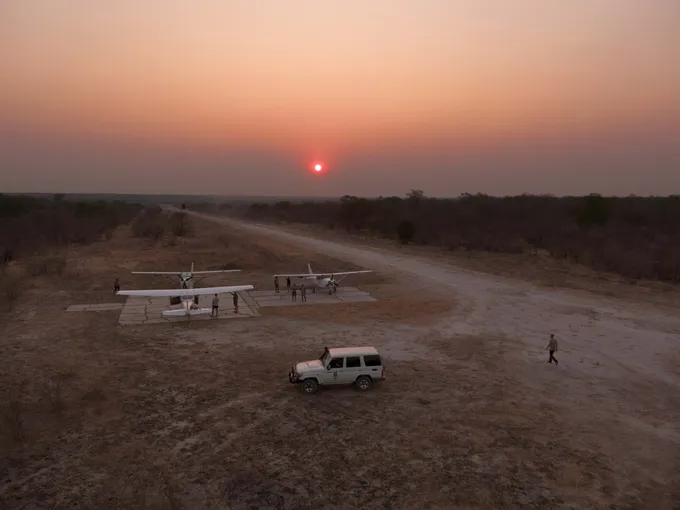
© KAZA Secretariat
How you can help
© WWF-US/Clay Bolt
Support Tribes restore buffalo to the Great Plains
The Indian Buffalo Management Act would strengthen support for Tribal Nations who are working to bring buffalo back from the brink of extinction.