In rural Tanzania, people and ecosystems grow stronger together
Women are enhancing their livelihoods while protecting clean water

© Jerry Mushala
When water stops flowing in the streams near Igombavu Village in the southern highlands of Tanzania, it affects more than just the wildlife and surrounding forests. The people of Igombavu and the nearby villages rely on water for their daily needs. When the water runs dry or is contaminated from misuse upstream, women and girls—typically the ones tasked with gathering it—are forced to wake earlier and walk farther each day to find it. And when clean water cannot be found, they go without.
Yet diminished or contaminated water flow is due in part to small-scale farmers using land near the banks of the river to grow vegetables to feed their families or to sell at markets to make an income. Degradation of the banks through farming and contamination from fertilizer runoff decreases water flow and impacts water quality, creating a dilemma of need. How can you continue to provide for your family while also protecting the water source on which you and your neighbors depend?
This dilemma is being tackled in part through the efforts of a group of community members, mostly women, who are working with the CARE-WWF Alliance to increase their standards of living while also protecting their environments. The Manzigira group (Swahili for “Environment”) is leading the village in growing and replanting riparian (or water-friendly) trees to restore and stabilize water banks that have been damaged, while also establishing community bylaws to restrict further misuse of the land.
At the same time, they are learning and implementing sustainable farming practices that produce healthier and more bountiful crops, making use of smaller farming plots so that they do not need to plant near riverbanks. And the group is running a savings and loan program that helps community members save for children’s school fees and future medical needs while also investing in alternative income-generating activities, in addition to farming, to improve their standard of living.
Igombavu is one of 21 villages doing work supported by the CARE-WWF Alliance in the Southern Agricultural Growth Corridor of Tanzania. The program was established in 2018 with the goal of increasing household incomes, primarily of women, while restoring and protecting the surrounding landscape and the water flows in the Great Ruaha River valley for wildlife and human needs.
Drawing from the expertise and experience of both CARE and WWF, the Alliance integrates and innovates within the convergence of development and conservation practices to bring transformational change to communities and the environments surrounding them.
Although the official program closes at the end of 2023, Manzigira and the 20 other groups across the Mufindi and Iringa districts will move forward, benefiting from the knowledge they have gained and the systems and processes they have created together. Together, they will continue to improve their lives and protect the waters and forests they depend on.
Read more about the CARE-WWF Alliance in the Southern Agricultural Growth Corridor of Tanzania:

© Jerry Mushala
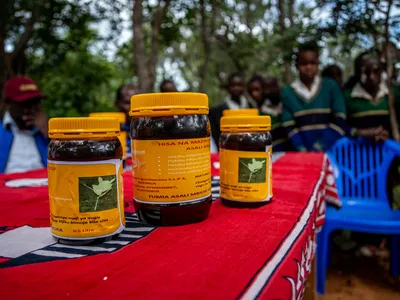
Honey jars are ready for market. They are from a beekeeping business led by Village Saving and Loan Association members.
© Jerry Mushala
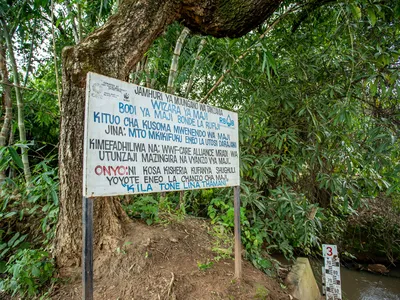
A signboard in Mufindi District, Tanzania, where the CARE-WWF Alliance is working with villages and the local government to study the water levels.
© Jerry Mushala
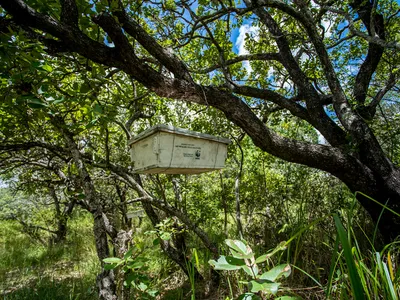
A beehive supplied by the CARE-WWF Alliance in the Mufindi District.
© Jerry Mushala
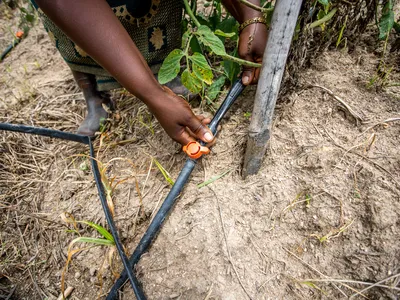
Drip irrigation in a field owned by a member of a CARE-WWF Alliance Village Saving and Loan Association.
© Jerry Mushala

Seedlings growing at a woman-owned nursery in Lugodalutali Village.
© Jerry Mushala
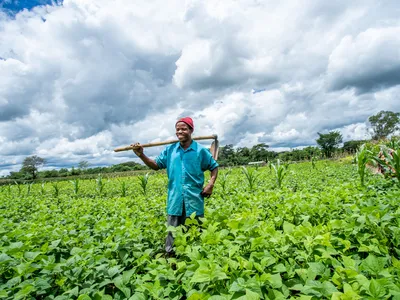
Manyasi Fabian Kasimba, a certified seed farmer, tends to crops in Utosi Village.
© Jerry Mushala
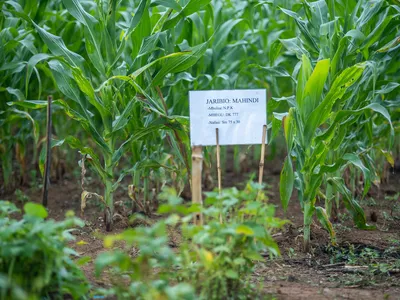
A demonstration plot in Iringa, Tanzania.
© Jerry Mushala
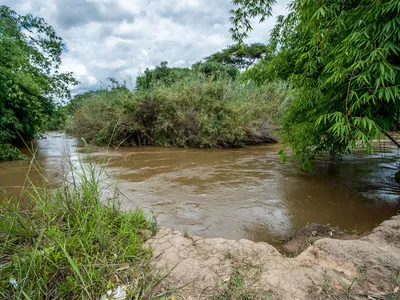
A flowing stream in the Mufindi District of Tanzania.
© Jerry Mushala

© Jerry Mushala