WWF

Our source of life

Stories from stewards of the Southwest Indian Ocean

Five portraits of partcipants

© L to R: Bwanamkuu Ali, Angeline Noro, Mxolisi Shandu, Farid Shee Omar, Daniel Karinga

The ocean is the source of life across the coastlines of Kenya, Tanzania, Mozambique, Madagascar, and South Africa. It shapes identity and provides sustenance not only materially but also emotionally. These fragile seascapes can, however, only sustain communities when there's mutual care and deliberate stewardship. This reciprocal relationship is living and changing. ​

Through a method called photovoice, community conservation partners become photographers. They share their honest reflections on what it takes to transform lived experience and knowledge into modes of community stewardship that endure in a changing world. We witness successes of turning existing resources into wider possibilities through partnership. But we also see the hardships and realities of economic strain and inequality, and the cascading impacts on long-term coastal stewardship. Most of all, we see pride, resilience, joy, and a determination to forge ahead even in the face of uncertainty. ​

Aerial photo of a valley with many homes and farms
Make a start; the river is where we start our days, feeding our families and our future.​ [Port Edward, South Africa]

© Gezephi, Cooperative

Photographs in this collection have been taken by community members in Lamu, Kenya; Mafia Island, the Rufiji Delta, and Somanga, Tanzania; Vilankulos and Inhassoro, Mozambique; Ambaro Bay, Madagascar, and Port Edward and Port St. Johns in South Africa, facilitated in partnership with WWF.​

The source of everything

Holding the ocean​

The ocean is a living thing that meets us where we are. It is a place of emotional co-regulation. There is intimacy with the ocean; it grounds us, heals us, and also seems to have emotions of its own that we must contend with. ​
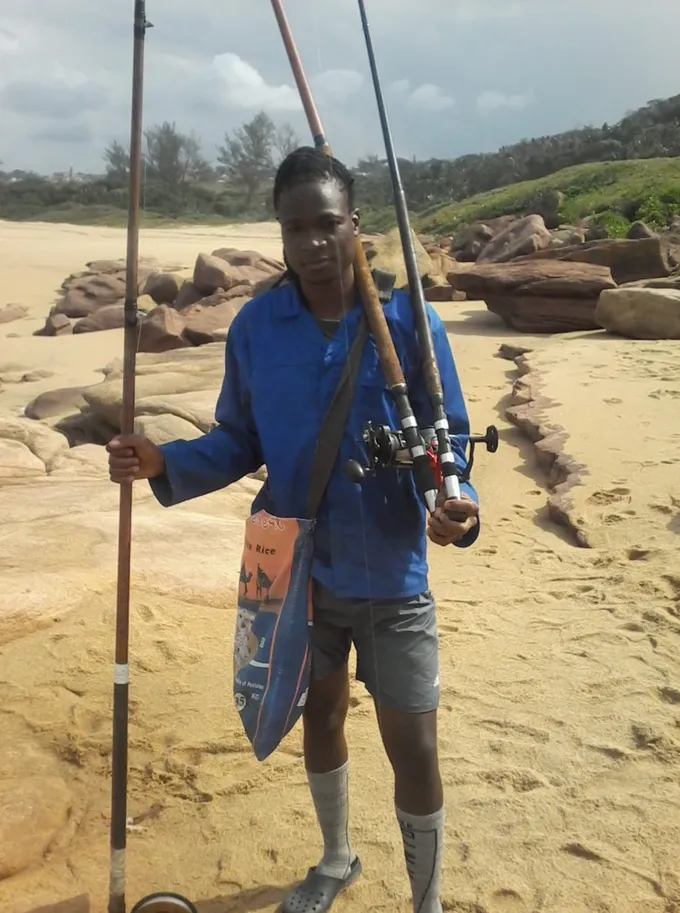
A man stands on the beach with fishing gear
Out here with my rods and the ocean, I find purpose. Fishing is the only thing I know and the one thing I do with confidence. [Port Edward, South Africa]

© Musa Nhlumayo

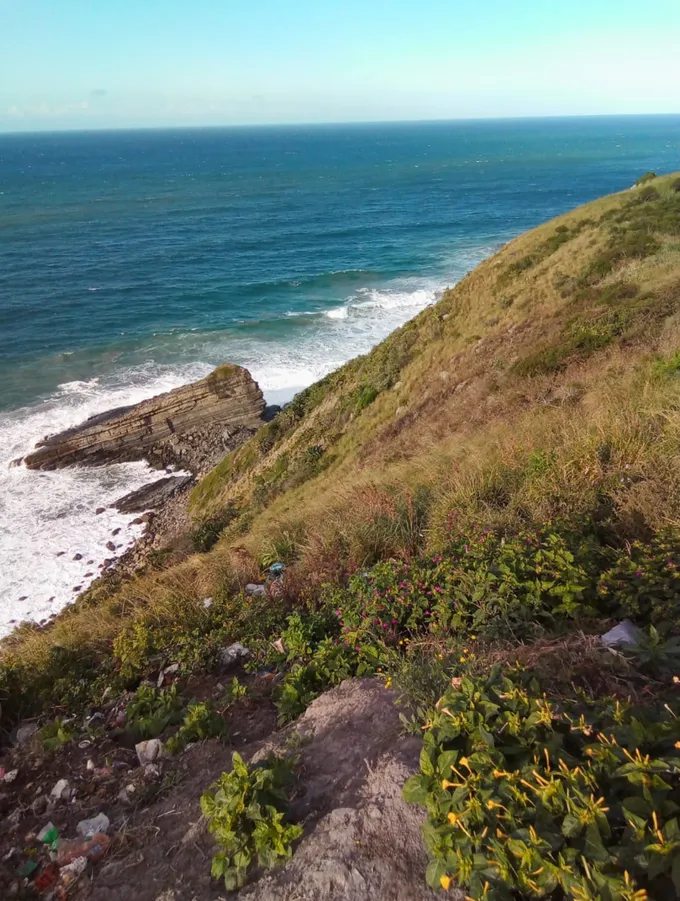
Scenic photo of seaside with grassy hill in bright sunshine
Desperation brings us rich waters and ruthless nights. [Port St. Johns, South Africa]

© Joseph Ndlobane - Blowhole Co-operative​

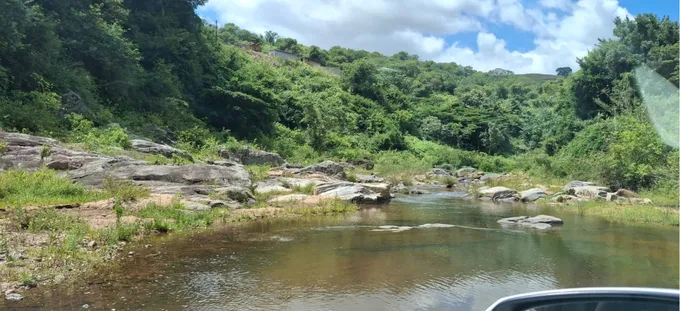
A shoreline with rocks and green foliage
A place of spiritual healing; here I find peace, strength, and clarity. [Port Edward, South Africa]

© Nosihle (from Bhadlane Fishing Cooperative)​

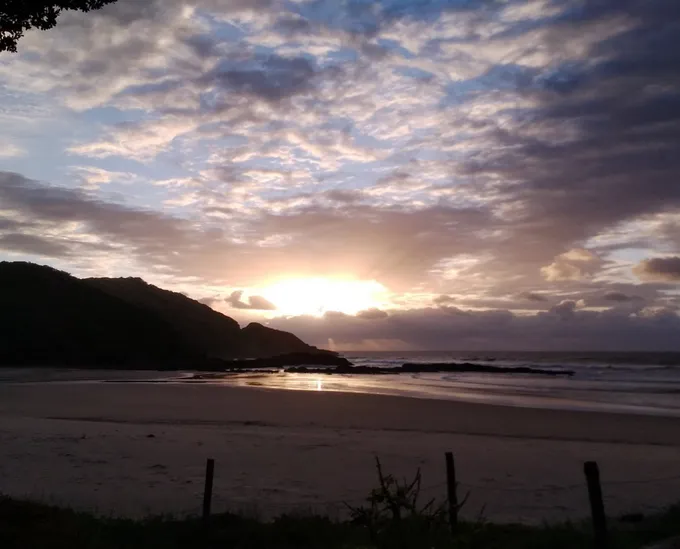
A sunset over the ocean and land
As day breaks, hope shows up. ​ [Port St. Johns, South Africa]

© Fundisile Ndlobane​

Held by the ocean​

From the water, with love—we‘ll never go hungry. With care, we transform the ocean's abundance into nourishment. ​

A group of people harvesting vegetables in a field
We can never go to bed hungry in our community. [Port Edward, South Africa]

© Ngoneni Moyeni​

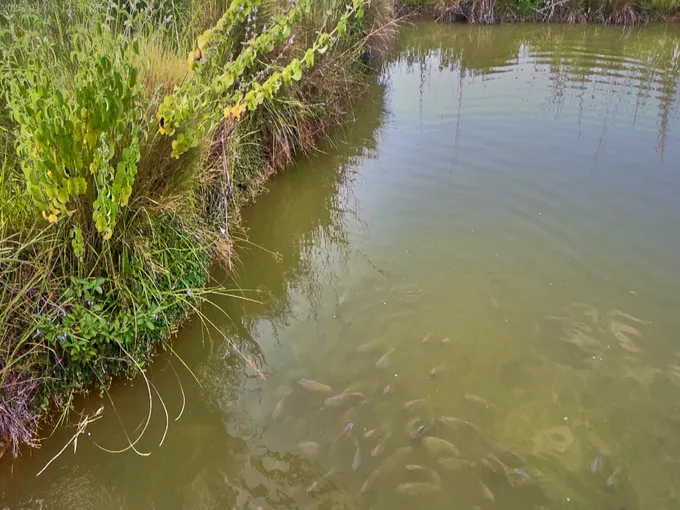
Looking down at a grassy shoreline with many fish visible beneath the water
Every day we eat our “vary sy laoko” - our rice and fish dish. Here in the mangroves, the go-to meal is rice and fish or rice and crabs because we have them in abundance. We raise our “laoko” from our ponds to your belly with love. [Madagscar]

© Jean Aime​

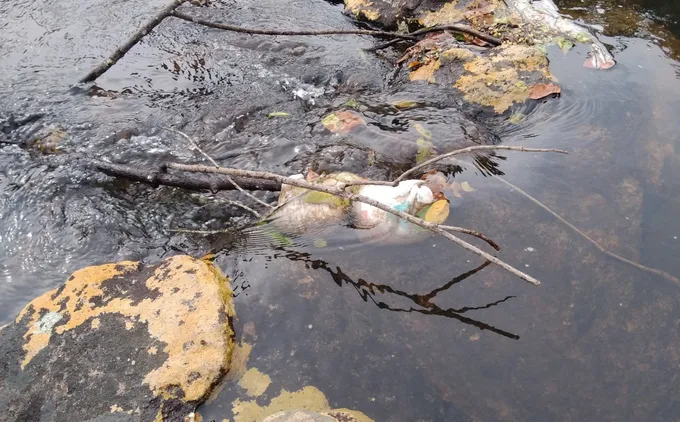
A discarded disposable diaper trapped in a stream
Used once, trapped forever. Fishers pull diapers, not dinner. ​[Port St. Johns, South Africa]

© Saun Mzanywa-Sicambeni​

Working in harmony at the source of everything​

We have a lived and situated knowing of the inter-connectedness of our ecological systems. We also recognize the gravity of our role in stewardship.​

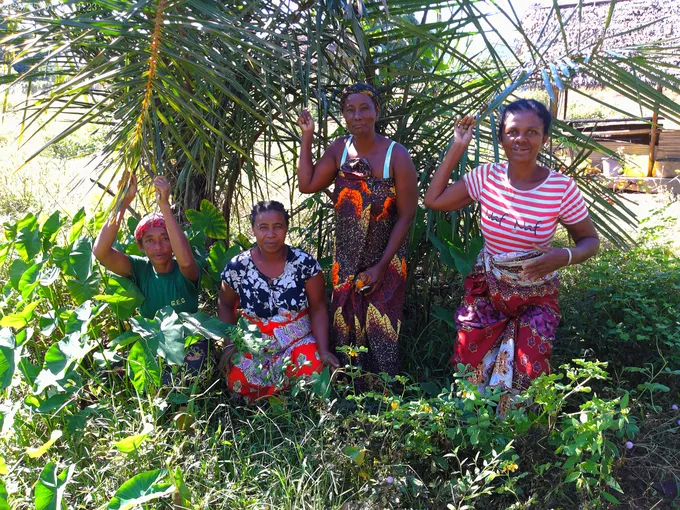
Four women stand amongst green foliage
Behind us is the Raphia tree. The source of everything. From our knowledge of nature, we know that Raphia cannot survive without abundant water, so it is a good indicator of the state of our freshwater systems, tracing the flow of water from the hills through the valleys to the mangroves. Growing Raphia helps keep the sources alive. It protects our water springs and watersheds alongside many other species, and provides us with a material that we can transform into beautiful things. [Madagascar]

© Mbotiminy

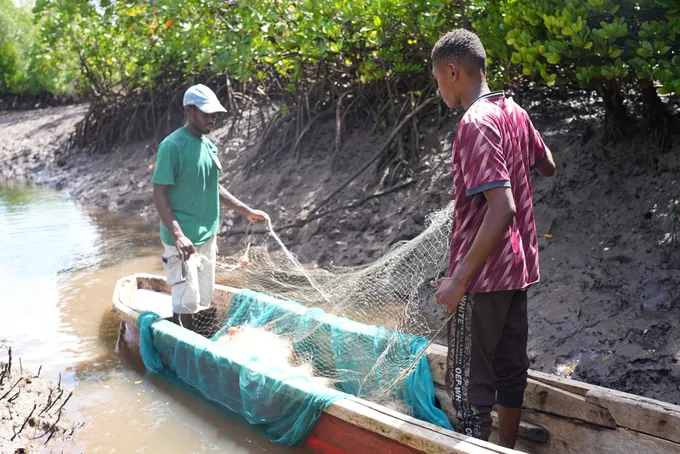
Two men stand in a small canoe on the shore, preparing nets
Through our fishing activities, we get food when we go out to fish using our nets. We also earn money to support our household responsibilities and needs. Our work in planting these mangroves is incredibly helpful in increasing fish production. This is because we depend on the ocean - it is everything to our lives here on the coast. [Lamu, Kenya]

© Hussein Mohamed

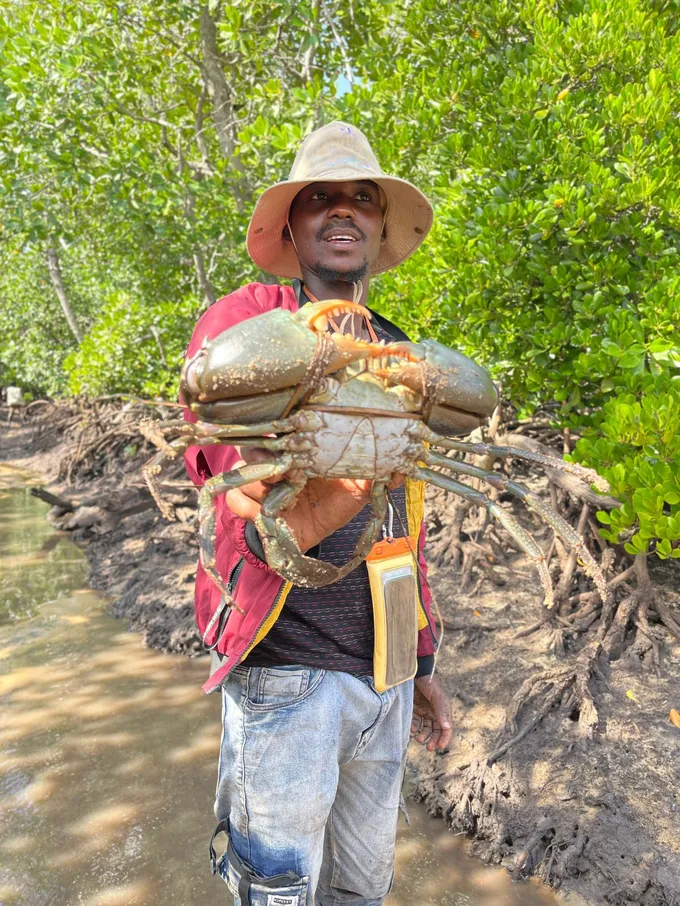
A man holds out a large shellfish he has caught
As a community, we plant mangroves to restore the trees and conserve the environment. My hope is for the forest to grow large because these crabs have largely disappeared due to the continuous cutting down of mangroves. There are no longer breeding grounds for the fish. So, for me, this will be beneficial because when a fisherman goes out to sea, they will actually come back with a catch. [Lamu, Kenya]

© Hussein Mohamed

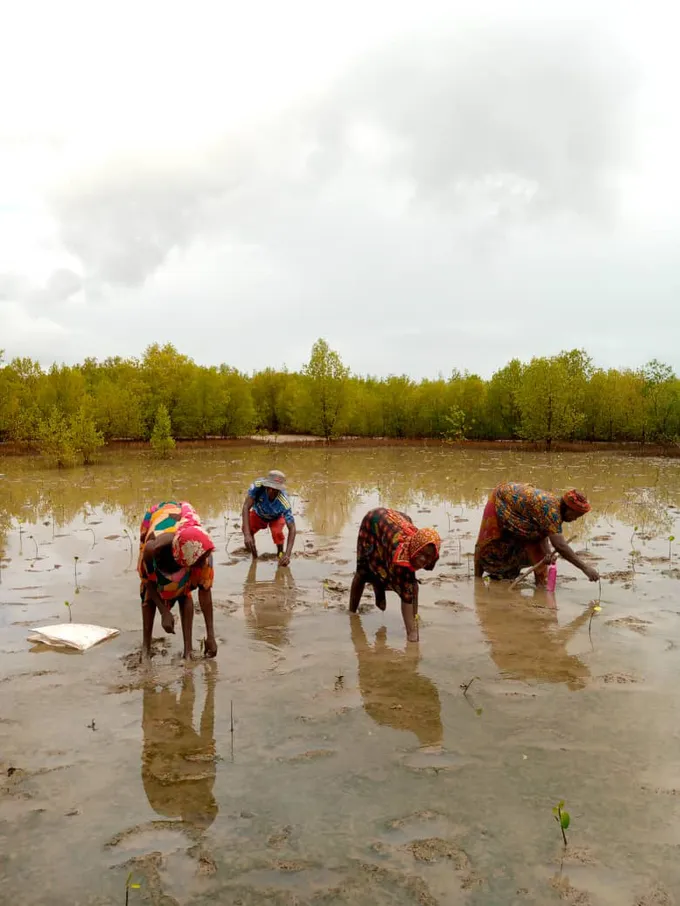
Four women bend over in ankle-deep brown water, planting seedlings
Women from Msiandaji BMU successfully restored about 3,130 mangrove seedlings; this area has been degraded mostly by human activities and climate change. [Tanzania]

© Jamal Ndambwe

Seeing women actively planting mangroves is a powerful representation of community resilience in action. This means a lot to me, as I've spent a lot of my career working to ensure women have a seat at the table in conservation. Mangrove restoration is not just about trees, it's about protecting shorelines, sustaining fisheries, and making sure we strengthen climate resilience for future generations.

— Dr. Modesta Medard, WWF Tanzania Marine Program​

Strong foundations, growing visions​

We are building from strong foundations of existing knowledge and resources towards dignity, creativity, surplus, and wider possibilities.​

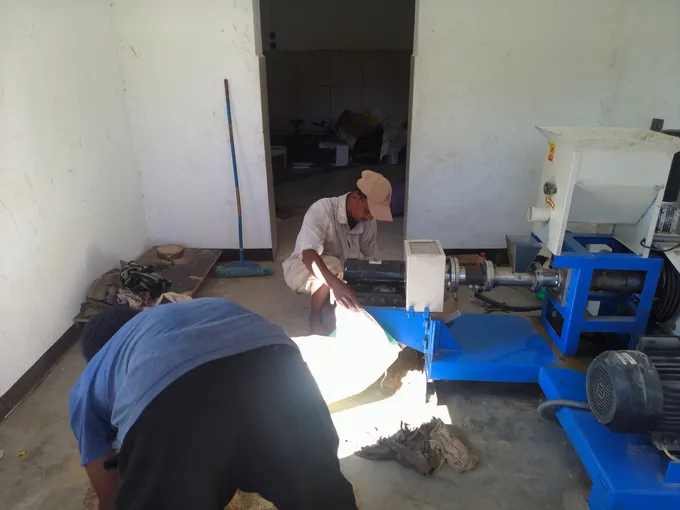
Two men kneeling in a room working with a machine
I am very proud of this machine. It is a food extruder that was given to us so we can produce food for our fish, and it helps our association expand our activities so that we can sell fish food to other fish associations and groups around the village and in Ambaro Bay. When your activity is well managed, people are interested, and support comes by itself. [Madagascar]

© Raymond

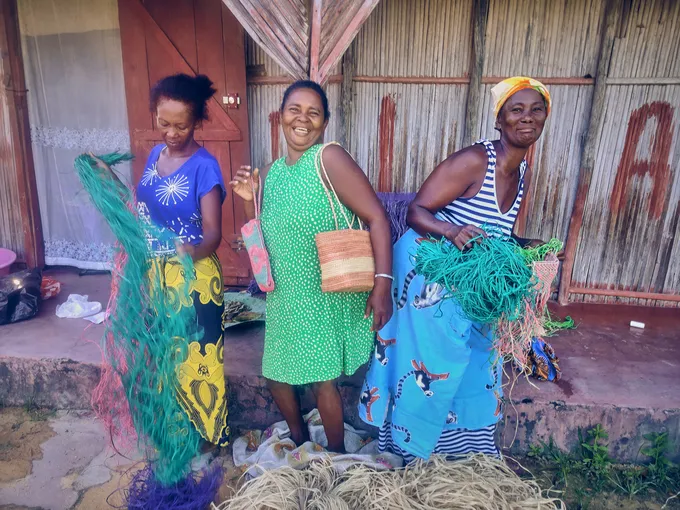
Three women in colorful clothing smile at camera
Our group is very solid. We do everything together: we collect the raw Raphia, dry it in the sun, colour it, and craft it into nice bags, pochettes, and wallets. We also sell everything together and, from the benefits, we are all members of the VSLA groups in our community. [Madgascar]

© Angeline Noro

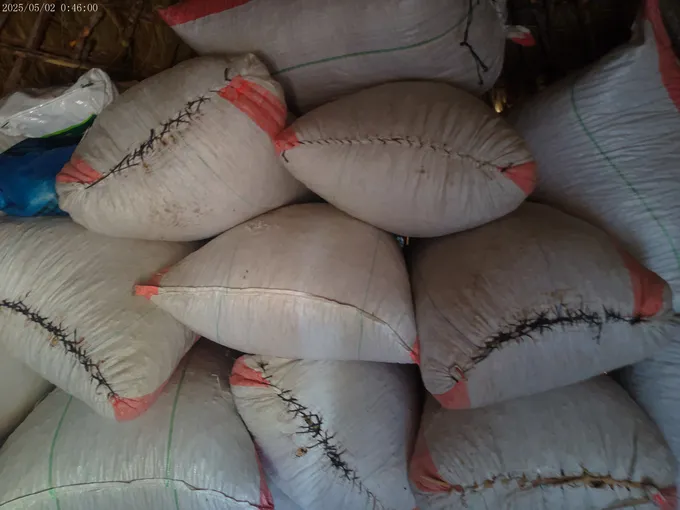
Stacked sacks of grain
This is an image of peanut sacks. I took it to show that with the help of WWF and the government, I expanded my vision to have a large farm. Now, because I have these peanuts, I can do more things. I hope to sell them to achieve the things I did not think I could do before. [Mozambique]

© Teresa Lichivo

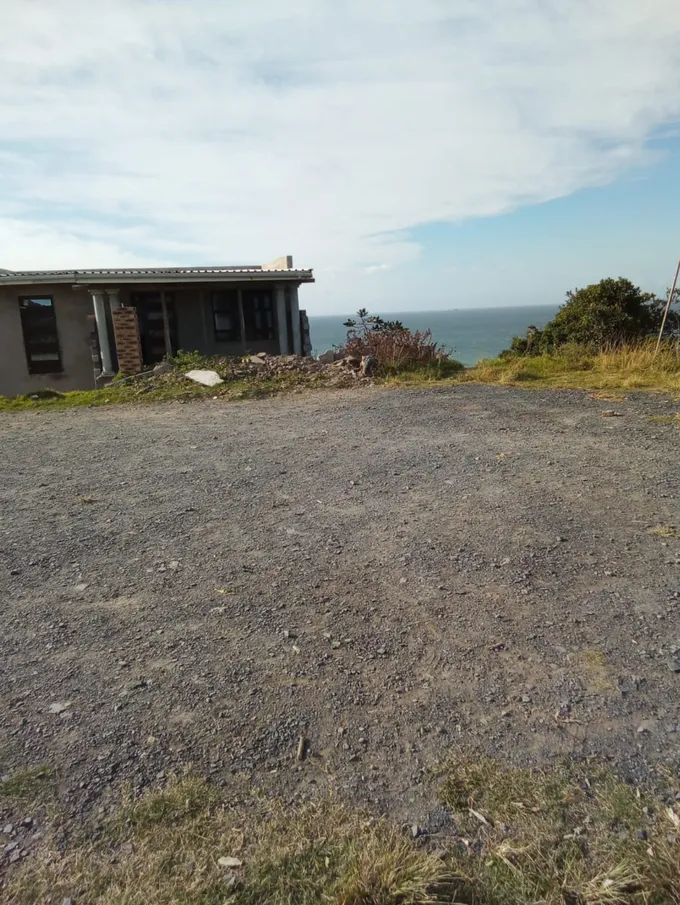
A damaged building on the edge of the sea
A house with a view… a community without income. This was our spot to sell to tourists; we lost out. [Port St. Johns, South Africa]

© Simthembile Maguga - Blowhole Co-operative

The story of a fisher from Port St. John’s is really the ordinary story of a man from any township in South Africa. It's a story rooted in social injustice, limited opportunities, lack of education and restricted access to resources. The story of the Wild Coast itself is complicated. The area is incredibly rich in biodiversity and one of the few places where Xhosa heritage and pride remain deeply intact. Yet this richness does not always translate into opportunity for the people who live there and take care of the coast. The challenge is how to ensure that the people who have cared for these places for generations can share in that value and build sustainable livelihoods.

— Kolobe Lucas Mmonwa, Senior Marine Scientist, WWF South Africa​

Still hoping, still fishing

We are rooted in the present, while carrying forward the inheritance of knowledge, stewardship, care, pride, and hope even in the face of uncertainty. ​
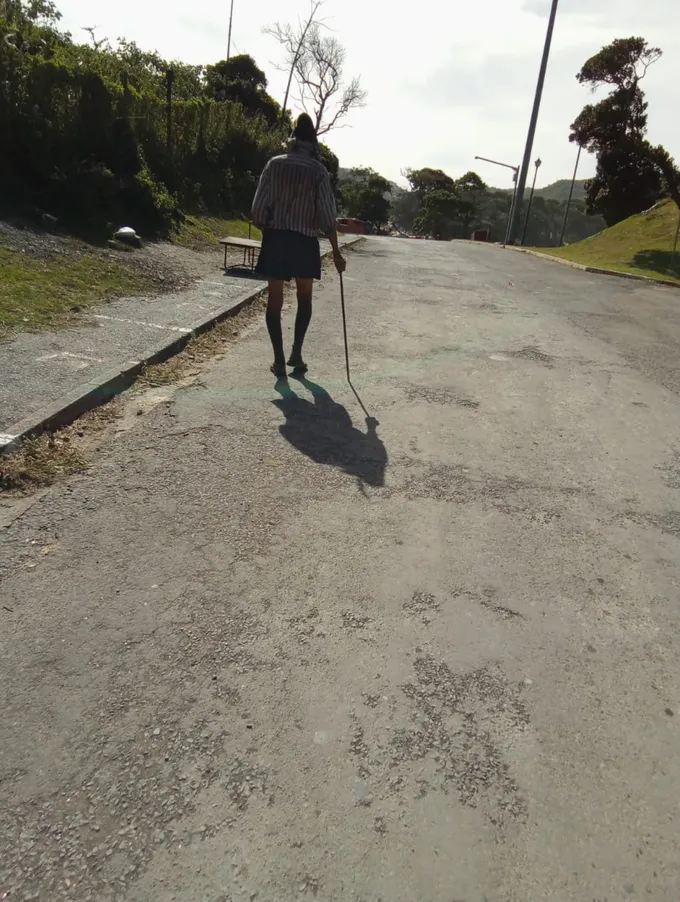
A man in a hat, with a basket and walking stick, walks away down a road
Still walking the Wild Coast, away from it all. My last home - Ben Dekker — legend, environmentalist, giant of the Wild Coast. [Port St. Johns, South Africa]

© Fanele Maguga - Blowhole-Co-operative
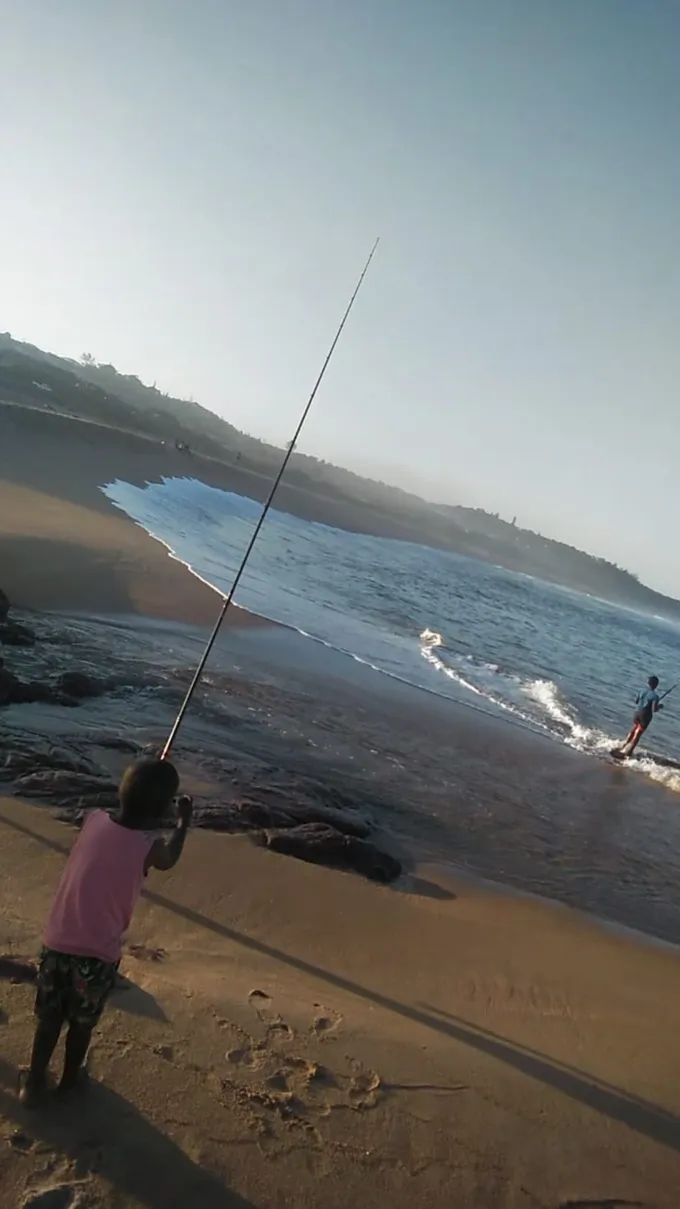
A boy with a long fishing pole casts into the surf
Future Generations. Teaching my child sustainable fishing practices from an early age. [Port Edward, South Africa]

© Musa Nhlumayo

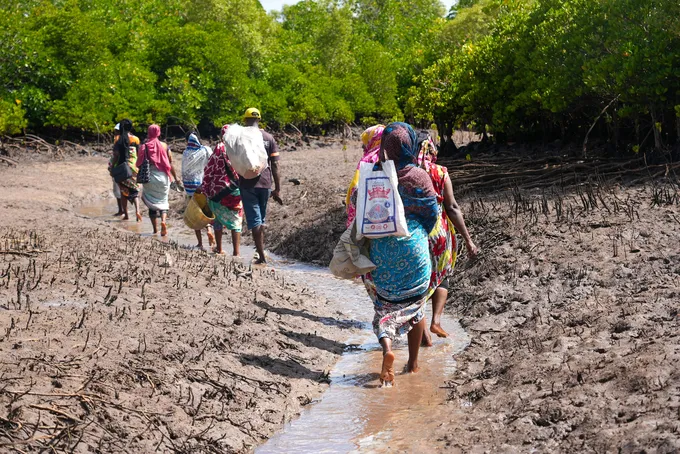
People walking away through a muddy trench
In the mangroves of Mkunumbi, Lamu, the community walks together towards the site where they are setting up their mangrove tree nursery. Every step through the mangrove mud is an act of commitment to nature, livelihoods and future generations. [Lamu, Kenya]

© Swabra Jaffar Ali

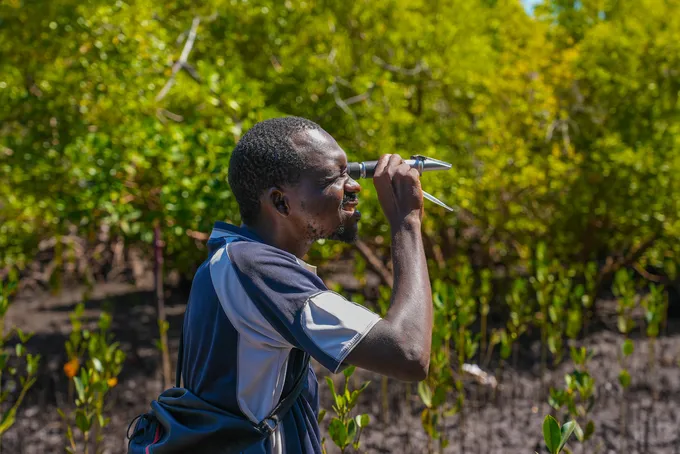
A man standing in a forested area, looking through binoculars
Farid Shee Omar checks soil salinity during a mangrove ecosystem monitoring exercise. [Lamu, Kenya]

© Swabra Jaffar Ali

The work we do in conservation is hard. The systems we are striving to change were not created to support thriving biodiversity and communities. In fact, they were often designed to do just the opposite. And in a world that's changing at an unimaginable pace, it's hard to know what is the next step can reorient us on a path towards sustainability and justice. But change only happens when we take the time to listen,  find common ground, share power, and work in true partnership to take steps together. 

— Shauna Mahajan, Director, Western Indian Ocean Seascape, Oceans, WWF

A grass-covered mountain
There is always light at the end of the tunnel; even on hard days, we know better days are coming. ​[Port Edward, South Africa]

© Nosihle