Rangers cannot be a blind spot in our conservation policy
Conservation areas are critical to wildlife and people—and they are only as effective as the professionals who help manage them. Success requires planning and a designated conservation workforce. So why, then, are rangers who protect these areas so overlooked?
By
-
Callie Cho

© Greg Armfield / WWF-UK
A new paper in Springer’s Ambio Journal, co-authored by WWF’s Nik Sekhran and Rohit Singh, among others, offers the first-ever analysis of ranger visibility in conservation policy, and it revealed a glaring gap in policy planning: rangers are almost entirely absent from these official plans.
Of 45 key global environmental policy documents, only 12 mention rangers at all. None of the five climate change documents analyzed, including the UNFCCC, the Kyoto Protocol, and the Paris Agreement, mention them even once. Across all 45 documents, finance is mentioned 82 times for every single mention of rangers. The Convention on Biological Diversity’s goal to protect and conserve 30% of land and sea by 2030 references terms related to land area 300 times more often than rangers, and the UNCCD 44 times more often.
Global health policy mentions health workers 48 times more (per 10,000 words) than conservation policy mentions rangers.
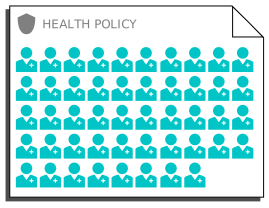
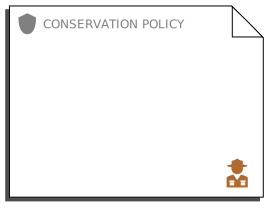
Rangers are ecosystem managers, community stewards, and law enforcement. Their work helps mitigate climate change and disease, reduce human–wildlife conflict, advance conservation research, and prevent the loss of biodiversity, species, and ecosystems. Without rangers, conservation areas can be destroyed by illegal activities like poaching or logging. Such neglected areas are known as “paper parks”: legally designated protected areas that lack the funding, management, and enforcement needed to protect their wildlife and the ecosystems that millions of people depend on.
“We cannot conserve the world’s great natural places without investing in the people who care for them. Rangers are indispensable to the health of our planet, and it’s time global policy treated them that way,” Sekhran said.
When plans for conserving nature fail to account for rangers, they go unfunded, and the natural spaces they look after cannot be properly cared for. If the goal of protecting 30% of land and sea by 2030—a concept known as 30x30—were to be achieved, there would be a 1.5 million shortage of rangers in terrestrial conservation areas and a 3.7 million shortage for marine areas, underscoring the failure of global conservation governance to recognize rangers as critical planetary health workers.
Protected and conserved areas without rangers are not truly protected. If conservation plans like the 30x30 goal are going to succeed, policymakers must recognize rangers as essential planetary health professionals. That means ensuring rangers have the funding, support, and legal protection to do their jobs, so that protected areas deliver real benefits for nature and people.