6 ways rangers help people and wildlife thrive together
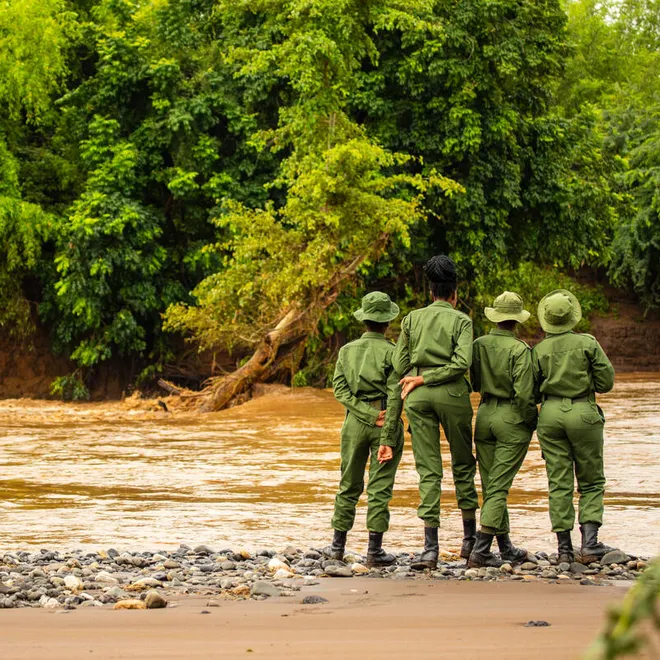
At the heart of a ranger’s work is creating the conditions for people and wildlife to thrive together. As stewards of nature and voices for their communities, rangers bridge the space between human needs and the natural world, making coexistence possible. Rangers wear many important hats—from protecting wildlife and habitats to supporting local livelihoods to ensuring our safety—and play a vital role in caring for us and our wild neighbors.
© Greg Armfield / WWF-UKd
1. Rangers protect nature
Rangers are nature’s defense against illegal activity. They help safeguard wildlife and people, defend habitats from activities like illegal logging and mining, and help visitors understand how to responsibly enjoy natural spaces. In many ways, rangers serve as nature’s voice when it cannot speak for itself.

© Adam Oswell / WWF-Thailand
2. Rangers support sustainable livelihoods
Rangers help maintain wildlife and habitats that support local jobs and economic opportunities like tourism, fishing, hunting, and agriculture. By protecting critical habitats and species, rangers also help maintain healthy ecosystems that provide essential benefits to people, including clean water, flood protection, pollination, and resilience to climate change. These ecosystem services support communities and economies around the world, making ranger conservation work vital not only for nature, but for human well-being as well.
3. Rangers are first responders to wildlife emergencies
Be it a twisted ankle on the trail, getting lost in the woods, or a dangerous encounter with wildlife, rangers are the first ones to help people in wildlife emergencies. And this goes both ways: rangers also rescue injured animals, respond to animals trapped in human infrastructure, and handle wildlife that has wandered into towns or villages. Their intervention often protects both people and animals.

© Adriano Gambarini / WWF-Brazil
4. Rangers collect data that informs conservation solutions
Rangers monitor wildlife populations, migration routes, and human-wildlife conflict hotspots. To do this, rangers often spend long days trekking and camping in the wilderness, maintaining camera traps, looking for signs of wildlife like prints or scat, and meticulously collecting, organizing, and analyzing data. Their observations help scientists, managers, and governments make evidence-based decisions about where and how people and wildlife can share landscapes.

© Jason Houston / WWF
5. Rangers build trust between communities and conservation efforts
Rangers frequently live in or near the landscapes they protect and maintain relationships with local people. They listen to concerns, share information, and help communities access support when wildlife causes damage. And as community liaisons, they also bring nature to their communities by leading outreach programs, school visits, and tourism activities that help people better understand wildlife.
Rangers also help manage conflict. Rangers monitor wildlife movements near communities and alert people when potentially dangerous animals are nearby. They help implement measures such as livestock protection, deterrents, fencing, and safe land-use practices that reduce encounters between people and wildlife. By responding quickly to incidents, they can prevent injuries, retaliatory killings, and community frustration. This human connection is critical for long-term coexistence.

© Thomas Cristofoletti/WWF-US
6. Rangers educate and inspire us
From pointing us to breathtaking vistas and hidden hiking trails to helping people enjoy wildlife safely and responsibly, rangers keep us informed, inspired, and connected to nature. As experts on the plants, animals, and ecosystems they protect, rangers are a wealth of knowledge—always ready with fascinating stories and insights about the natural world around us.

© CreativeLAB / WWF-US
While rangers are essential protectors of people and nature, they all too often remain undervalued and underfunded. In their many roles, rangers often face immense danger but lack access to proper equipment, training, or healthcare. This year, 147 rangers lost their lives on duty. Giving these essential conservation heroes the respect and support they need is not a “should” but a “must”.
© George Walsh
Strengthen the Endangered Species Act
More than 99% of the species listed under the Endangered Species Act have avoided extinction due to the law’s protections. Today, those protections are under threat — at the exact moment wildlife needs them most.