Climate change and Southern Africa
Innovation and adaptation help protect landscapes, communities, and iconic wildlife
© WWF-US/Gareth Bentley
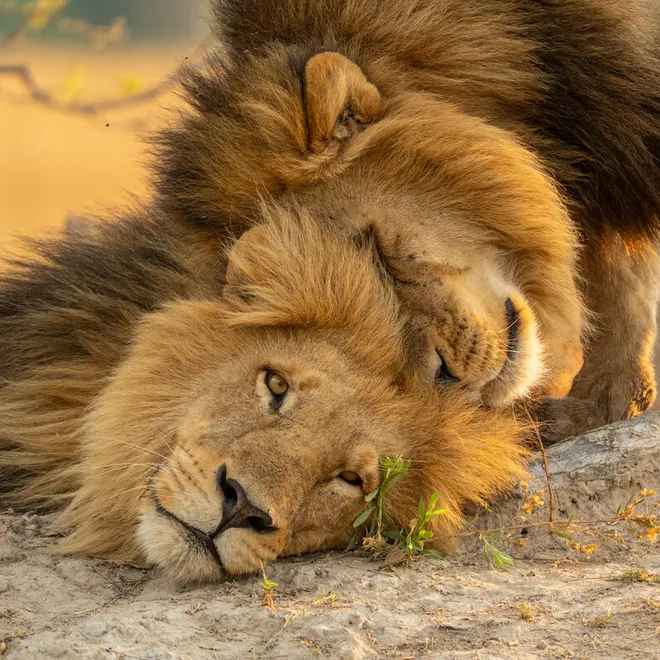
Southern Africa is home to some of the world's most iconic wildlife and landscapes. Spanning Angola, Botswana, Namibia, Zambia, Zimbabwe, and South Africa, the region supports more than 141 million people and encompasses an extraordinary diversity of ecosystems, from arid deserts and savannas to wetlands and woodlands.1
The region's natural landscapes are not only vital for biodiversity but also play an important role in regulating the climate. Vast savannas and woodlands store carbon in their soils and vegetation, helping reduce greenhouse gases in the atmosphere.2 The Miombo woodlands alone support more than 8,500 plant species, many found nowhere else on Earth, while Southern Africa is recognized as one of the world's most important regions for bird diversity, with nearly 1,000 identified species.
For millions of people, healthy ecosystems provide food, water, livelihoods, and economic opportunities. As climate change intensifies, protecting these natural systems is becoming increasingly important for the region's future.
Climate change in a water-stressed region

© WWF-US/Gareth Bentley
Southern Africa is among the regions most vulnerable to the impacts of climate change. Rising temperatures, longer dry seasons, and increasingly erratic rainfall are placing growing pressure on ecosystems and communities already living with limited water resources.3 The region is highly influenced by El Niño and La Niña cycles, which can trigger severe droughts in some years and destructive flooding in others, amplifying climate-related risks.3
For many communities, the consequences are direct and immediate. Millions of people depend on rain-fed agriculture for food and income, making them especially vulnerable to shifts in seasonal rainfall. As rainy seasons become shorter and less predictable, crop yields can decline, and food insecurity can increase. More frequent droughts, extreme heat, and flooding events are also causing greater economic losses and disrupting livelihoods across the region.3
Climate change is also reshaping Southern Africa's ecosystems. Longer droughts and rising temperatures can reduce water availability for wildlife, degrade habitats, and increase competition for increasingly scarce resources. Scientists project that the combined effects of global warming and the region's naturally arid climate could reduce food production by as much as 30%, threatening both human well-being and ecological health.3
Building climate resilience
© WWF-US/Gareth Bentley
© WWF-US/Gareth Bentley
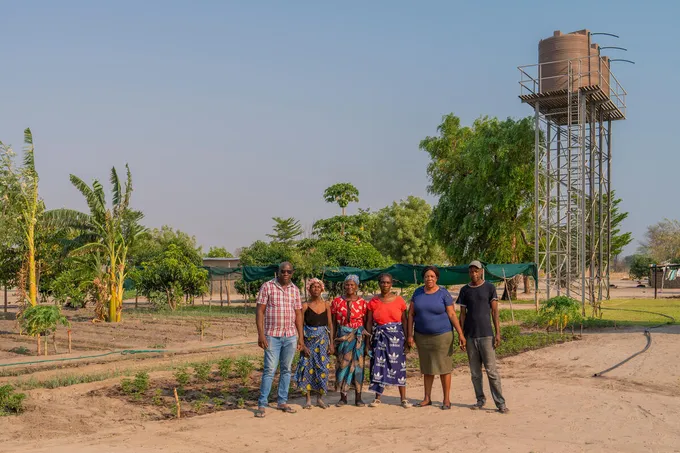
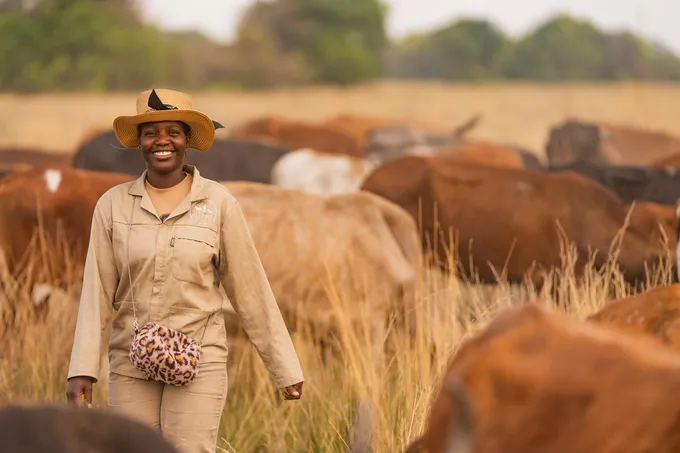
Despite these challenges, communities across Southern Africa are developing innovative solutions to adapt to a changing climate. Community-led conservation efforts have demonstrated that strengthening ecosystems can also strengthen local economies and livelihoods. WWF works alongside local communities, governments, and private-sector partners to support approaches that benefit both people and nature.
One example is the African Nature-Based Tourism Platform, which promotes sustainable tourism while supporting local businesses and creating economic opportunities tied to healthy ecosystems. WWF also works with communities to advance sustainable grazing practices, co-managed fisheries, and climate-smart agricultural approaches that help improve resilience to drought and other climate-related impacts.
Through initiatives such as the Wildlife Adaptation Innovation Fund and Climate Crowd, WWF invests in locally driven adaptation strategies and nature-based solutions designed to help vulnerable communities respond to climate change. As temperatures continue to rise and weather patterns become more unpredictable, these efforts will be increasingly important for protecting wildlife, strengthening food and water security, and building a more resilient future for Southern Africa.
References
1 Manos, J. K. (2025). Southern Africa. EBSCO Research Starters.
2 UN-REDD Programme. (2023). African savannah and global climate action. UN-REDD Programme.
3 Climate Diplomacy. (n.d.).Southern Africa. Climate Diplomacy. Retrieved July 23, 2026.