Climate change and the Arctic
A region faces extraordinary climate impacts
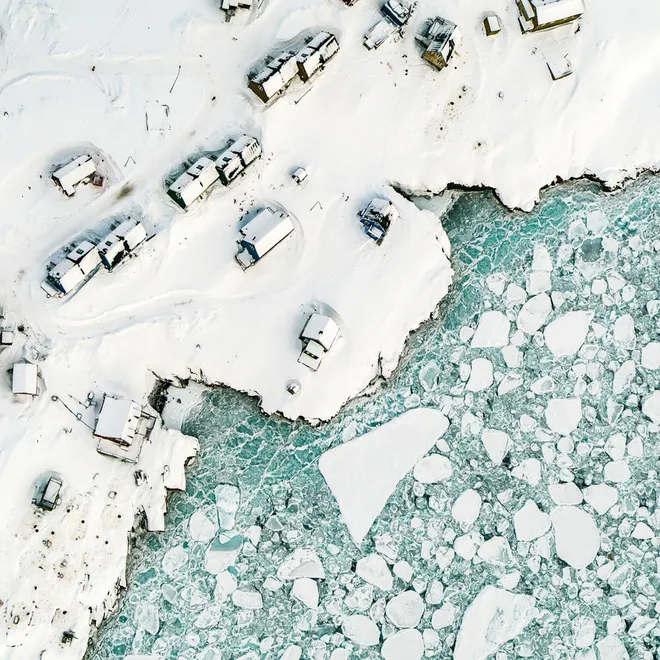
© James Morgan / WWF-UK
The Arctic is far more than a frozen landscape. It is home to more than four million people, including hundreds of Indigenous communities whose cultures, livelihoods, and well-being are deeply connected to the region's lands, waters, and wildlife; more than 20,000 identified species; and a remarkable diversity of marine and terrestrial ecosystems.1 Yet this extraordinary region is experiencing some of the most dramatic effects of climate change anywhere on Earth.
The Arctic is warming up to four times faster than the global average.2 As a result, Arctic sea ice extent has declined by more than 12% per decade, reducing the region's ability to reflect sunlight back into space.3 As bright ice and snow disappear, they expose darker ocean water and land surfaces beneath. While sea ice reflects 50% to 70% of incoming sunlight, the open ocean reflects only about 6%, causing the Arctic to absorb significantly more heat than it once did.4
This process creates a dangerous feedback loop: rising temperatures melt more ice, exposing darker surfaces that absorb more heat, which in turn accelerates additional warming and ice loss. The consequences extend well beyond the Arctic itself. Rapid glacier melt in the region contributes more than 35% of global sea level rise, while thawing permafrost and accelerating coastal erosion increasingly threaten Arctic communities, wildlife, and ecosystems.5
Arctic communities at risk

© Staffan Widstrand / WWF
Climate change is having profound impacts on the people who call the Arctic home, particularly Arctic Indigenous communities that are often on the front lines of environmental change.6 As weather patterns become less predictable and extreme events become more frequent, many communities are experiencing heightened social, economic, and cultural pressures.
These disruptions can contribute to feelings of ecological grief and loss as culturally significant places, practices, and species become increasingly threatened. Climate change also compounds existing socioeconomic inequalities, reducing communities' capacity to invest in adaptation measures and strengthening the need for solutions that center Arctic Indigenous knowledge and leadership.6, 7
WWF's work in the Arctic

© Gerald Barraud / WWF
WWF works across coastal and marine Alaska to help communities and wildlife adapt to the impacts of climate change. In partnership with Alaska Native communities, WWF advances conservation solutions that strengthen marine stewardship, protect culturally important places and species, and support community resilience.
WWF's work includes conserving habitat for species such as polar bears, walrus, bowhead whales, seabirds, and salmon; promoting sustainable fisheries management; advancing marine conservation; and reducing risks from growing shipping activity in Arctic waters. Together, these efforts help safeguard Arctic ecosystems and support the communities that depend on them in a rapidly changing region.
References
1 World Wildlife Fund. (2025). Arctic communities. WWF Arctic.
2 National Geographic. (2022). Arctic. Education. nationalgeographic.org.
3 Velev, K. (2025).Arctic sea ice minimum extent – earth indicator. NASA Science.
4 National Snow and Ice Data Center. (2024). Why sea ice matters. National Snow and Ice Data Center.
5 World Wildlife Fund 2. (2023). Climate change. WWF Arctic.
6 Laks, A., & Ford, J. D. (2021). Indigenous Peoples and climate justice in the Arctic. Georgetown Journal of International Affairs.
7 Ahkinga, O. (2022). NOAA Arctic report card 2022: Consequences of rapid environmental Arctic change for people. National Oceanic and Atmospheric Administration (NOAA), NOAA Central Library.