Integrated Collaborative Approaches for Sustainable Tourism (iCOAST) in Honduras
The ultimate goal of the iCOAST program (an integrated program led by UNDP) is to reduce pollution of water, soil and air, reduce emissions of GHGs, reduce the over-consumption of natural resources, products and materials, and reverse the tourism sector’s impact on biodiversity loss, while creating equitable livelihoods and jobs for local communities.
© Antonio Busiello / WWF-US
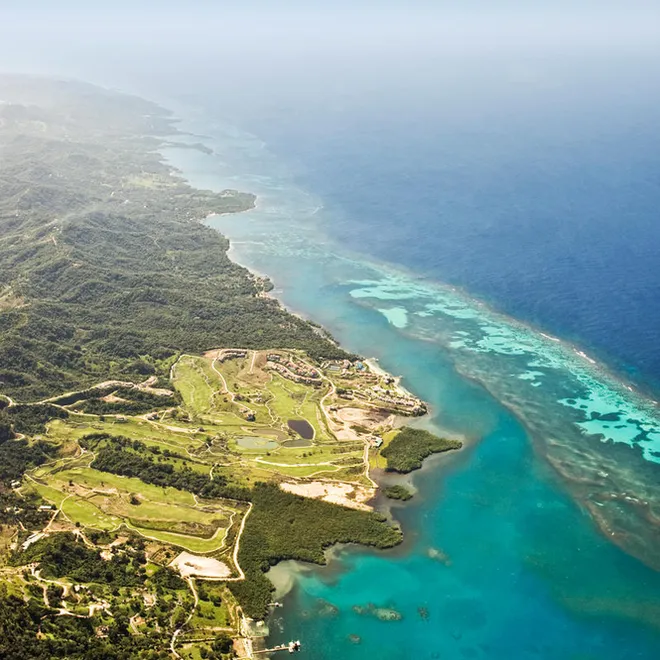
In Honduras, the project geographical target is the island of Roatan, the most important hub in the country for high end coastal tourism. The project will develop public policy, standards and incentive schemes to promote best practices in the tourism sector and its value chains, with specific focus on food and plastic waste reduction, but potentially including other areas such as cooling, refrigeration, energy efficiency, phase out of harmful chemicals, green procurement, sustainable building materials, etc. It will pilot projects to support the uptake of low carbon, low chemical, zero waste technologies and approaches, with a priority on plastic and food waste reduction measures (e.g., packaging changes in supply chains, phase out of unnecessary single-use plastic) along with selected high end tourism businesses in Roatan. There are also important capacity building components aimed at promoting scaling and financing for such interventions.
Country: Honduras
Focal Area: Chemicals and Waste; International Waters
Project Status: PPG (as of 1/15/2025)
GEF Project ID: 11729
Implementing Agency: WWF-US
Executing Agency/ Partners: Environment and Natural Resources Secretariat (SERNA); Honduras Institute of Tourism (IHT)
GEF Project Grant: USD $6,250,000
Co-Financing: USD $37,890,000
GEF Agency Fee: USD $562,500
PIF Stage Documents
PIF
CEO Endorsement Documents
CEO Endorsement Request
CEO Letter