Sustainable and Resilient Ecosystems: Community and Territorial Strategies for Wildfire Management in Protected and Conserved Areas in Peru
Strengthen the resilience of Natural Protected Areas, their buffer zones and other conservation modalities in central Peru to wildfires through strategic prevention, response, and recovery actions
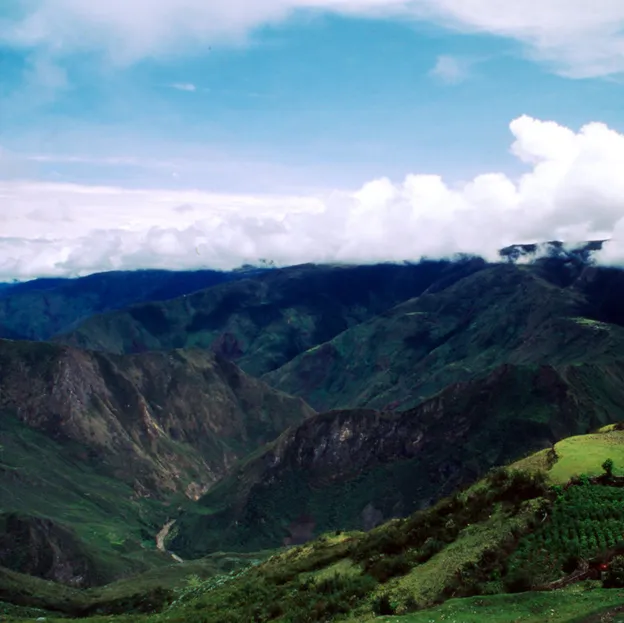
© André Bärtschi / WWF
Peru’s Andean ecosystems host high biodiversity and provide ecosystem services, including soil conservation, water regulation, and food production, but are increasingly affected by wildfires, with highrisk areas covering nearly 20% of the national territory. Natural Protected Areas (NPAs) in the central Andes are particularly vulnerable due to fire-prone vegetation, the use of fire in agriculture and grazing without adequate control, and the erosion of ancestral knowledge that previously helped regulate fire practices— conditions further intensified by climate change. Recent assessments confirm a steady rise in fire occurrence and severity, especially in the Nor Yauyos-Cochas Landscape Reserve.
Underlying barriers include limited institutional capacity for wildfire response in NPAs, low community integration in prevention and recovery, weak territorial management and financing, poor inter-institutional coordination, and a fragmented regulatory framework focused on reactive suppression.
To address this, the project will strengthen the resilience of NPAs, their buffer zones and other conservation modalities through Integrated Fire Management (IFM), combining prevention, response, control, and recovery, with strong community participation and territorial coordination. It will: (C1) enhance institutional capacity through wildland firefighter training, equipment, and protocols; (C2) strengthen territorial resilience with cooperation agreements, community brigades, improved traditional knowledge, and ecological recovery pilot; (C3) develop regulatory and technical instruments; and (C4) systematize and disseminate knowledge for replication and scaling.
The initiative will improve management of 1.48 Mha of NPAs, promote improved practices in 6,180.35 ha of landscapes, and directly benefit 1031 people. It will generate GEBs conserving Andean biodiversity, reducing land degradation, and contributing to climate resilience.
Country: Peru
Focal Area: Biodiversity
Fund: GEF Trust Fund (GTF)
Project Status: CEO Endorsed
GEF Project ID: 11802
Implementing Agency: World Wildlife Fund, Inc.
Executing Agency/ Partners: Ministry of Environment (MINAM); SERNANP; Profonanpe
GEF Project Grant: USD 3,244,495
Co-Financing: USD 34,984,111
GEF Agency Fee: USD 292,005
CEO Endorsement Documents
Environmental and Social Safeguard Documents
Stakeholder Engagement Plan
Gender Analysis
Environmental and Social Safeguards Fran