Southern Agricultural Growth Corridor of Tanzania
The first phase of the SAGCOT project ran from 2017 to 2020, and the second phase from 2021 to 2023.
The Southern Agricultural Growth Corridor of Tanzania program was a public-private partnership initiated by the Tanzanian government to encourage increased investment in agricultural growth in a way that is both environmentally sustainable and inclusive of small producers.
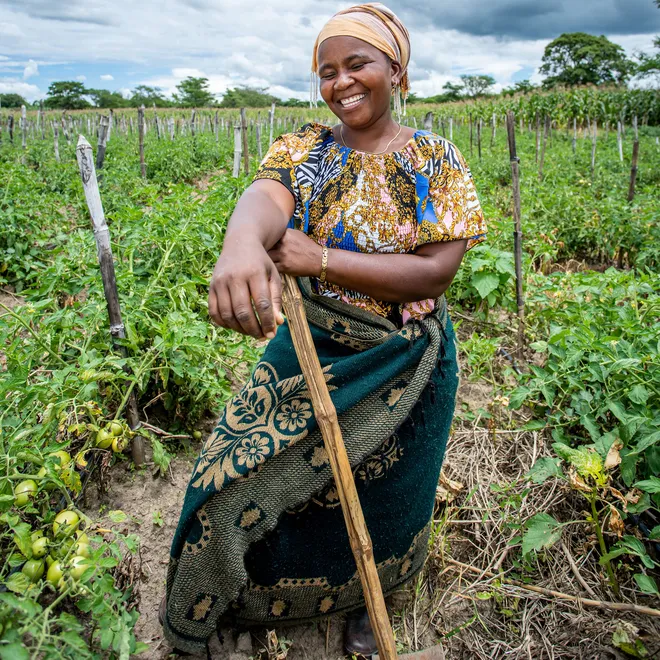
© Jerry Mushala
Phase II project goals
- Extend informal savings groups and collective access to financial services to 5,000 farming families (22,500 individuals), especially women.
- Increase sustainable investment and production to improve small-scale farmer income by 60% and food security by 20%.
- Improve ecosystem resilience and functions in production landscapes in Ndembera sub-catchment of the Great Ruaha River.
- Strengthen public and private partnerships to improve small-scale producer access to extension, inputs, markets, financial services, and benefits from ecosystem services
Phase I & II impacts
-
Over 250,000 acres
zoned through improved Village Land Use Planning processes, 57% as natural forest reserves or water sources
-
178% increase in water flows
In the Great Ruaha Basin’s Mkikifu River during the wet season – in part through women-led planting of over 138,500 water-friendly trees
-
Almost 15,000 people benefitted
across 21 villages, they were 58% women and 36% youth
-
157% increased income
in female-headed households
Video testimonials
Hear from two participants in the CARE-WWF Alliance SAGCOT program in Tanzania.
Sarah Ngairo
Sarah Ngairo describes her participation in the CARE-WWF Alliance program in Tanzania and the benefits it has brought to her family and community.
Mazingira group
The head of the Mazingira Village Savings and Loan Program in Tanzania describes the benefits of participating in the CARE-WWF Alliance Program.