2026 WWF Russell E. Train Education for Nature Grant Recipients
This year, 45 conservation leaders from 18 countries across Africa, Asia, and Latin America received funding from WWF’s Russell E. Train Education for Nature Program (EFN).
For more than three decades, EFN has invested more than $30 million in conservation science and leadership, supporting more than 3,700 individuals and 600 organizations across more than 60 countries. This year’s recipients carry that work forward, tackling some of today’s most pressing conservation challenges.
Their research spans a wide range of issues, from protecting endangered species and restoring ecosystems to building climate resilience and supporting sustainable livelihoods. Collectively, they are helping to strengthen science and conservation capacity in their communities and countries.
This year’s recipients join the global community of EFN alumni, embracing the opportunity to work to sustain and scale EFN by leveraging this extensive network of conservation leaders to connect, share ideas, and nurture the next generation of conservationists.
A summary of this year’s award winners includes:
- WWF Train Fellowship for Aspiring and Current Faculty: 16 recipients received support for doctoral study. The fellowship supports current and aspiring university faculty and helps strengthen conservation science education at universities across Africa, Asia, and Latin America.
- WWF-GEF Fonseca Leadership Program: 6 recipients received support for graduate study focused on conservation challenges in Latin America.
- WWF Conservation Futures Fellowship: 10 recipients received support for master’s or doctoral degrees. The fellowship supports research developed in partnership with Indigenous peoples and local communities.
- Russell and Aileen Train Legacy Scholarship: 4 students received scholarships through university partnerships to pursue undergraduate or master’s degrees related to conservation in biodiversity-rich countries.
- Mingma Norbu Sherpa Scholarship: 2 Nepalese students received support through this memorial scholarship fund that provides financial assistance to students from remote regions of Nepal who intend to pursue careers in nature conservation.
- Caroline Goldman Cassagnol Fellowship: 2 EFN alumni were selected for this fellowship, which supports alumni returning to their home countries to contribute to conservation through academia, research, outreach, or other forms of leadership.
- Alumni Grants: 5 EFN alumni received grants to continue their professional development and conservation work beyond their initial EFN grants.
2026 Train Fellowship: Enhancing Capacity for Current and Aspiring University Faculty
This competitive fellowship is designed to cultivate a new generation of exceptional natural and social scientists, enhancing conservation science and leadership.
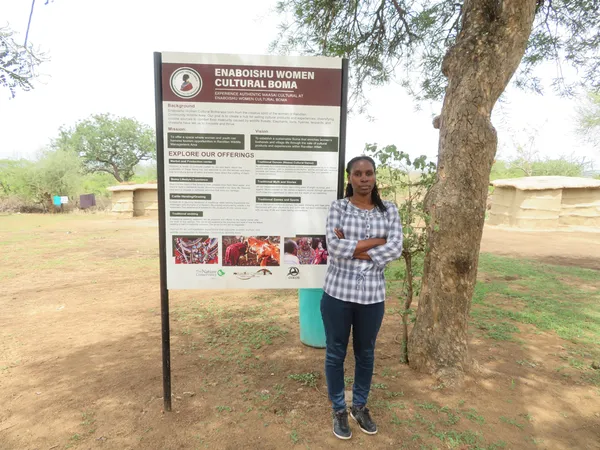
© Godwin Samwel Adaa
Angelamercy Baltazary Baruti
© Godwin Samwel Adaa
Country: Tanzania
Degree: PhD in Animal Science
University: University of Debrecen, Hungary
Research: Assessment of dynamics of human-wildlife conflict in relation to traditional ecological knowledge in pastoral communities living in the Tarangire-Manyara Ecosystem, Tanzania
Human-wildlife conflict is a serious challenge, with pastoral communities living adjacent to protected areas in northern Tanzania, especially in the Tarangire-Manyara Ecosystem. Livestock predation, competition for grazing land, and seasonal movements of wildlife are threatening pastoral livelihoods that, in turn, create local negative attitudes toward conservation. Although many conservation efforts rely on scientific solutions, pastoralists have long used traditional practices with wildlife, yet this knowledge is seldom encompassed in formal conservation planning. Therefore, Angelamercy Baltazary Baruti’s research aims to document and understand how traditional pastoral ecological knowledge is used to reduce conflict in the area. Through community interviews, group discussions, and participatory mapping, her findings will provide a better understanding of the different practices used by pastoralists and appropriate solutions that support coexistence, improve livelihoods, and strengthen community involvement in wildlife conservation.
Additional info: https://www.linkedin.com/in/angelamercy-baruti-207479403/
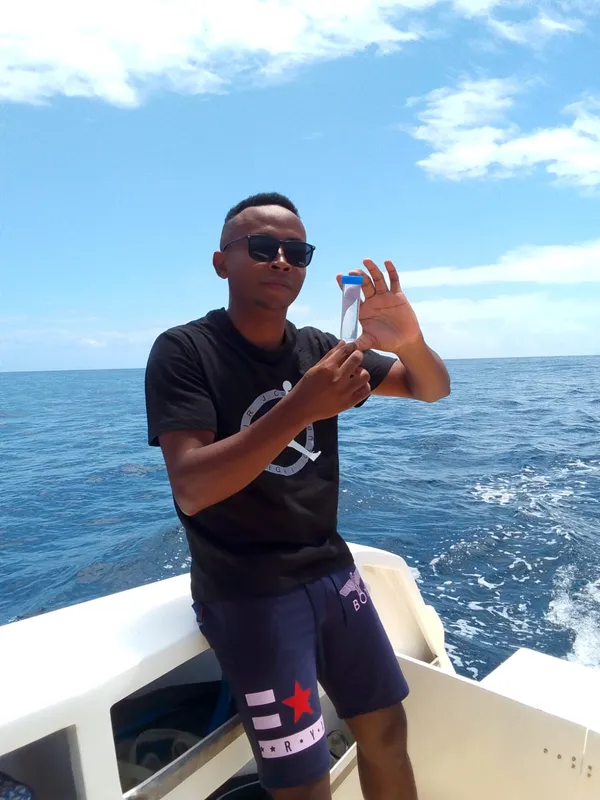
© Dayda Rakotomahatsiaro
Armel Morona Flogène Mahevitra
© Dayda Rakotomahatsiaro
Country: Madagascar
Degree: PhD in Marine Ecology and Conservation
University: Institut Halieutique et des Sciences Marines, University of Toliara, Madagascar
Research: Identification of the factors influencing the recent decline of whale sharks (Rhincodon typus) in Nosy Be, Madagascar: Conservation challenges and sustainable ecotourism
Since 2022, an alarming decline in the number of whale sharks observed in Nosy Be has been recorded. Armel Morona Flogène Mahevitra’s research aims to identify the drivers of this decline by investigating how environmental factors, including sea surface temperature, salinity, ocean currents, and the availability of food resources, influence whale shark occurrence. To better understand their feeding ecology, Armel will integrate stable isotope analyses using skin samples from whale sharks and their potential prey. He will also analyze the impact of human activities, such as tourism and local fishing, on the behavior and presence of whale sharks. These findings will help design appropriate conservation measures and guide sustainable tourism practices, ensuring both the protection of this emblematic species and economic benefits for local communities.
Additional info: https://orcid.org/0009-0007-0021-1931
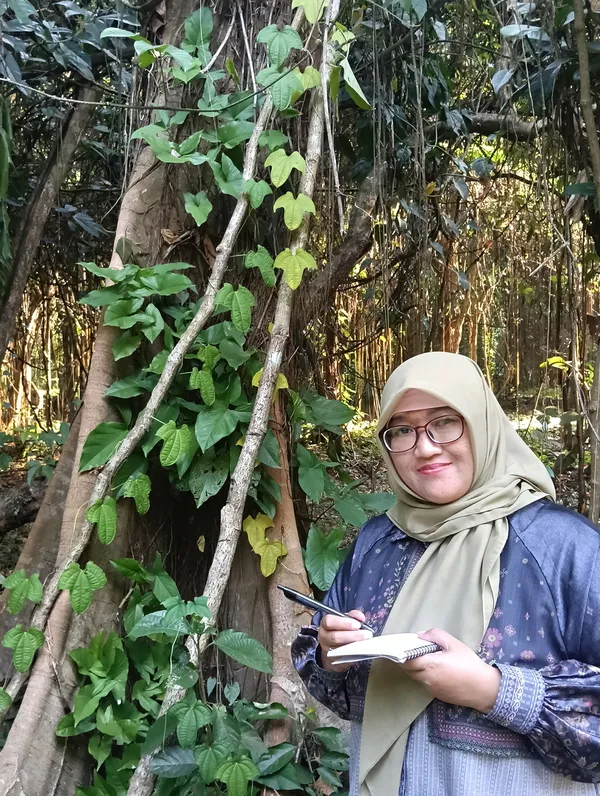
© Reva Aurelie Ammara
Astri Rozanah Siregar
© Reva Aurelie Ammara
Country: Indonesia
Degree: PhD in Plant Biology
University: IPB University (Institut Pertanian Bogor), Indonesia
Research: Conservation of bajakah plants in Central Kalimantan peat swamp forests for bioprospecting antidiabetic
Among the flora of Borneo, climbing plants known locally as bajakah occupy an essential ecological and cultural niche in Dayak communities. In Central Kalimantan, white bajakah (Uncaria callophylla) is widely used in traditional medicine to treat chronic wounds, infections, fatigue, and other general ailments. Despite its long history of traditional use, scientific research on bajakah in peat swamp ecosystems remains scarce. Astri Rozanah Siregar’s research will focus on the bioprospecting and characterization of α-glucosidase inhibitor metabolites from bajakah. By integrating ecological, phytochemical, and bioassay approaches, Astri will explore how the unique environmental stresses of peatlands, including acidic soils, low oxygen, and nitrogen deficiency, influence secondary metabolite production. Her findings will contribute to both the scientific understanding of bajakah while supporting opportunities for local economic development and community-based forest management.
Additional info: https://fbp.unas.ac.id/astri-rozanah-siregar-s-si-s-pd-m-si/dosen-biologi/
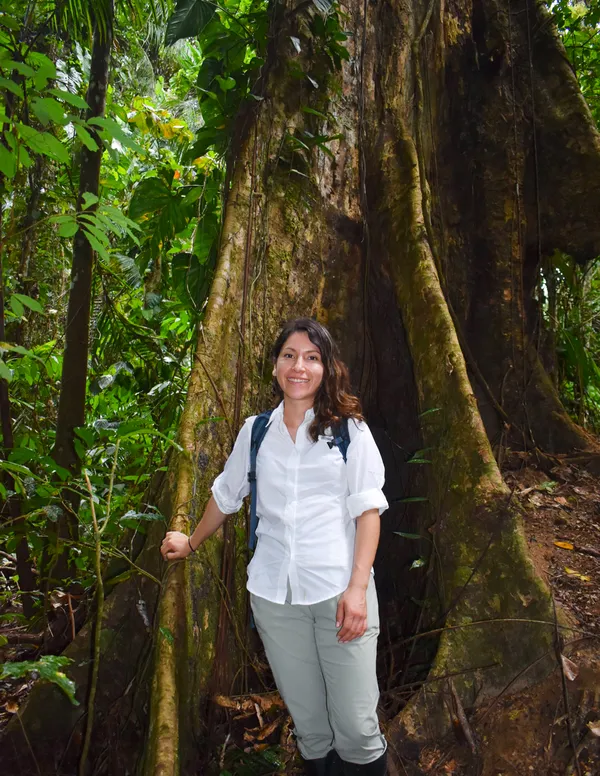
© Chrissie A. Pantoja Vallejos
Chrissie A. Pantoja Vallejos
© Chrissie A. Pantoja Vallejos
Country: Peru
Degree: PhD in Environmental Policy
University: Duke University, United States
Research: Integrating Climate Resilience into the Value of Forest Conservation: Preventing Financially Material Climate Damages in Peru
Although Peru has implemented forest conservation policies, deforestation driven by informal activities continues to threaten critical ecosystems. Forests regulate water flows and reduce flood severity, yet evidence on their role in preventing economic and financial losses remains limited. Using high-resolution environmental, household, and financial data, Chrissie A. Pantoja Vallejos’ research examines whether maintained forest cover buffers communities against extreme rainfall and flooding, and how avoided damages improve household welfare while reducing fiscal and financial risks. By linking environmental resilience with economic outcomes, the study demonstrates that forest conservation delivers not only ecological benefits but also measurable economic and financial value.
Additional info: https://scholar.google.com/citations?user=qUq7GQkAAAAJ&hl=en
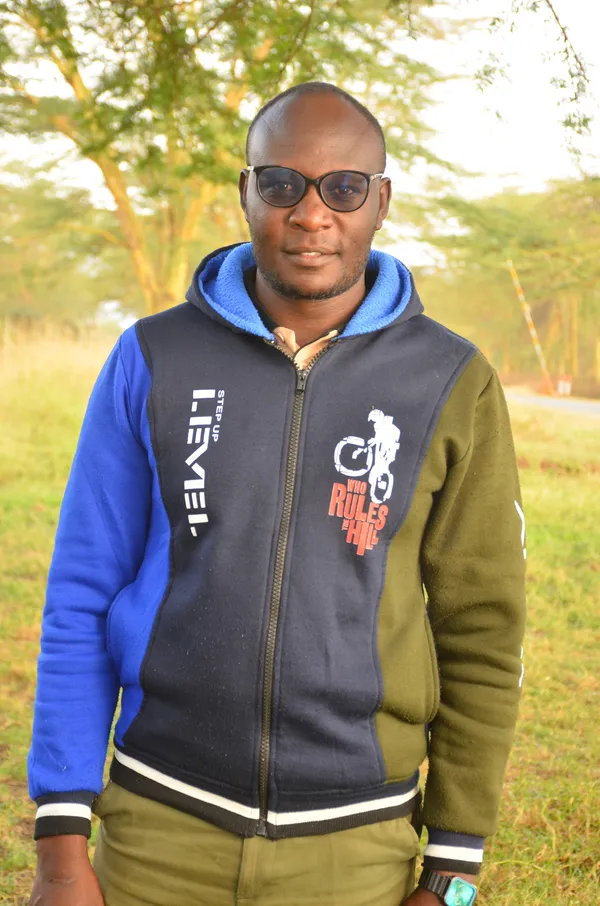
© Joseph Ndogo
Evans Obura
© Joseph Ndogo
Country: Kenya
Degree: PhD in Water Resources and Environmental Management
University: Egerton University, Kenya
Research: An Integrated Bottom-Up Framework for Climate Resilient Water Resource Management and Biodiversity Conservation in the Arid and Semi-Arid Lands: Case Study, Lower Ewaso Ng’iro North Basin, Isiolo-Kenya
The Lower Ewaso Ng’iro North Basin is a critical source of water, pasture, and wildlife habitat for pastoral communities in northern Kenya. However, increasing droughts, floods, land degradation, and biodiversity loss driven by climate change, population growth, and overuse of natural resources are placing livelihoods and ecosystems at risk. Evans Obura seeks to support communities to manage water and natural resources more sustainably. By combining scientific analysis with community knowledge, Evans will identify areas most vulnerable to water shortages, flooding, and environmental damage, while also highlighting key habitats for conservation and locations suitable for restoration. These findings will promote practical nature-based solutions, such as safeguarding water sources, restoring degraded land, and improving land management practices. Ultimately, the study will strengthen climate resilience, enhance water security, and protect biodiversity, whilst guiding local decision-making and supporting policies that ensure sustainable livelihoods and healthy ecosystems for present and future generations.
Additional info: https://scholar.google.com/citations?user=TP3qFUQAAAAJ&hl=en
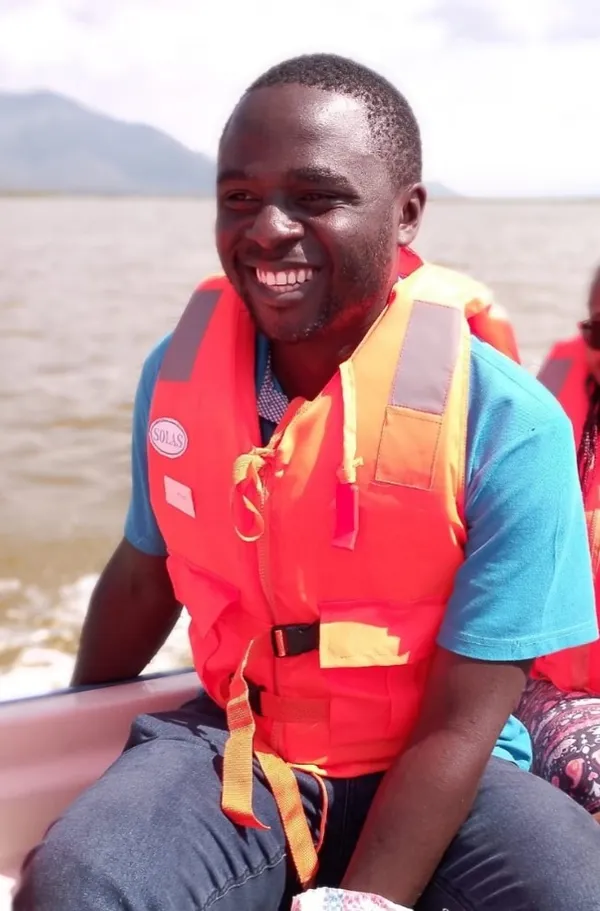
© Mercy Matuma
Finnan Ageng’o
© Mercy Matuma
Country: Kenya
Degree: PhD in Fisheries and Aquatic Sciences
University: University of Eldoret, Kenya
Research: Improving Conservation of the Critically Endangered Endemic Tilapia (Oreochromis jipe and Oreochromis hunteri) of the Pangani River Basin, East Africa
Finnan Ageng’o’s research focuses on protecting two rare fish species, the Lake Jipe tilapia (Oreochromis jipe) and the Lake Chala tilapia (Oreochromis hunteri), which are found only in a small group of lakes and rivers in the Pangani River Basin along the Kenya-Tanzania border. These fish are at serious risk of extinction due to habitat degradation, overfishing, and the spread of introduced tilapia species that compete and interbreed with them. Finnan will use morphomeristic and molecular techniques to identify which tilapia species are present in key lakes and rivers of the basin and assess how much mixing is happening between native and invasive species. Suitable habitats dominated by each fish species will also be identified, mapped, and characterized to show the distribution of each species in the basin. By combining field sampling with modern genetic tools, Finnan’s findings will provide clear evidence on where the endangered species still exist and how threatened their populations are. The results will support practical conservation actions, guide fisheries management decisions, and help train university students, early career scientists and technical staff of Taita Taveta county and Mwanga district of Tanzania.
Additional info: https://www.researchgate.net/profile/Finnan-Agengo-2
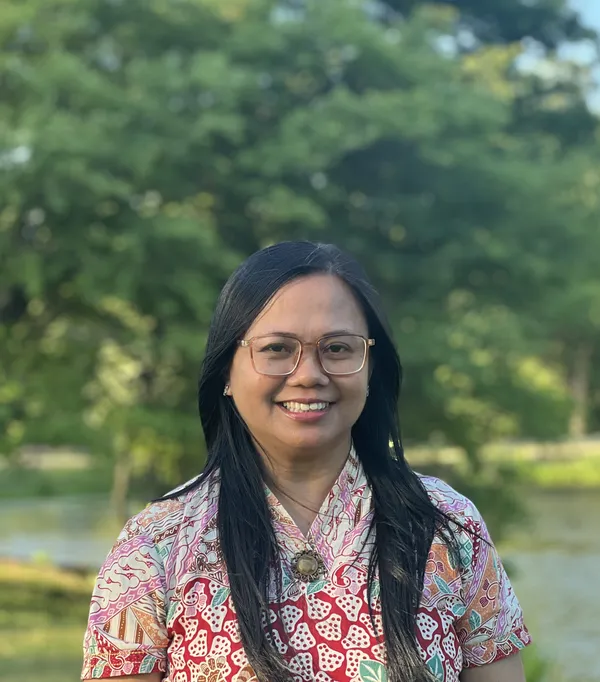
© Laura Simatupang
Fransisca Ariantiningsih
© Laura Simatupang
Country: Indonesia
Degree: PhD in Ecology and Evolution
University: Rutgers University, United States
Research: Mapping Human Tolerance Toward Orangutans: A Social–Ecological Systems Approach to Coexistence in the Leuser Ecosystem
The critically endangered Sumatran orangutan now survives mostly in landscapes shared with people, especially in the Leuser Ecosystem of Aceh and North Sumatra. For many smallholder farmers, seeing orangutans near their farms is a normal part of daily life—sometimes peaceful, sometimes challenging. Yet conservation efforts often focus on forests and species biology, while the social realities that shape people’s tolerance receive far less attention. Fransisca Ariantiningsih’s research aims to understand what influences people’s willingness to live alongside orangutans, including their livelihood conditions, cultural and religious values, and past experiences with wildlife. Through community surveys, spatial mapping, and time spent in selected villages, Fransisca will identify areas where coexistence is working and places where conflict is more common. She will also explore which conservation approaches local communities consider fair and practical. Her findings will provide grounded insights that help design strategies supporting both communities' well-being and orangutan conservation.
Additional info: https://www.linkedin.com/in/fransisca-ariantiningsih-8ba21014/
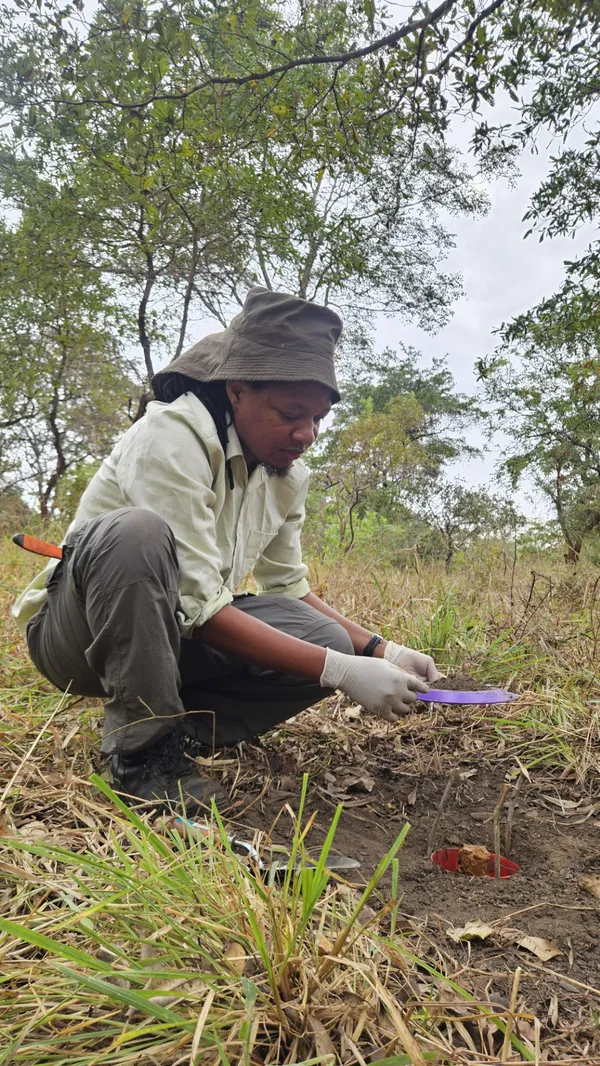
© Ismenia Lizi Inacio Sitoe
Isildo Nganhane
© Ismenia Lizi Inacio Sitoe
Country: Mozambique
Degree: PhD in Zoology
University of Study: University of Pretoria, South Africa
Research: Assessing the biodiversity impact of habitat loss on Mozambique’s Afromontane forests using dung beetles
Isildo Nganhane aims to assess the impacts of habitat loss on biodiversity in the poorly studied Afromontane forests of north-central Mozambique, using dung beetles as a focal taxon. Specifically, he will examine evolutionary relationships, levels of endemism, and key threats affecting dung beetle assemblages across isolated mountain ranges. His work will be the first to analyze local communities’ perceptions of the ecosystem services provided by dung beetles and their relevance for conservation. By integrating ecological, evolutionary, and social data, these findings will provide essential scientific evidence to inform more inclusive conservation strategies that are adapted to local circumstances and that go beyond the traditional focus on large, charismatic fauna. Ultimately, Isildo’s work will contribute to evidence-based and community-informed conservation strategies.
Additional info: https://orcid.org/0000-0002-6792-6508
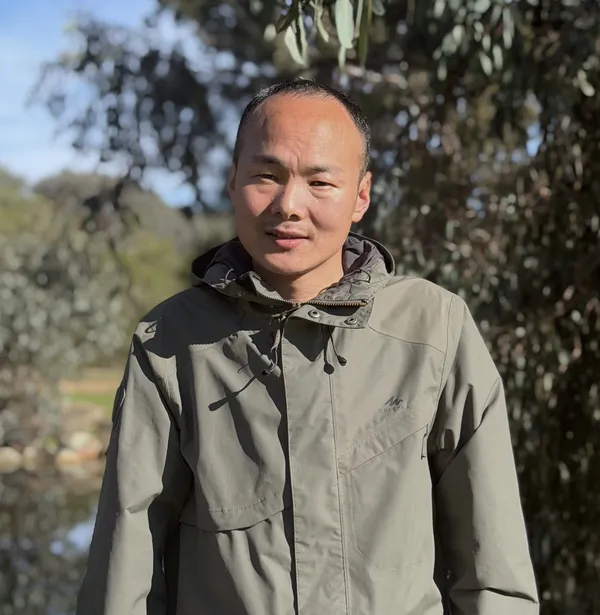
© Karma
Letro
© Karma
Country: Bhutan
Degree: PhD in Environmental Science
University: Charles Sturt University, Australia
Research: Human-Carnivore Interactions in Bhutan: Exploring Ecological and Social Dimensions to Enhance Coexistence
Human–carnivore conflict in Bhutan is increasingly visible in policy debates and media, especially where increasing predator populations overlap with livestock-dependent rural communities. Letro’s research examines how people coexist with endangered carnivores, particularly tigers and dholes, using an interdisciplinary social–ecological systems framework. The study combines spatial ecology to model species distribution and conflict risk with human geography to understand herding practices, customary traditions, and local perceptions. In collaboration with conservation partners, local communities, and government stakeholders, the research will support evidence-based strategies for reconciling carnivore conservation with pastoral livelihoods.
Additional info: https://www.linkedin.com/in/letro-letro-48852b62/
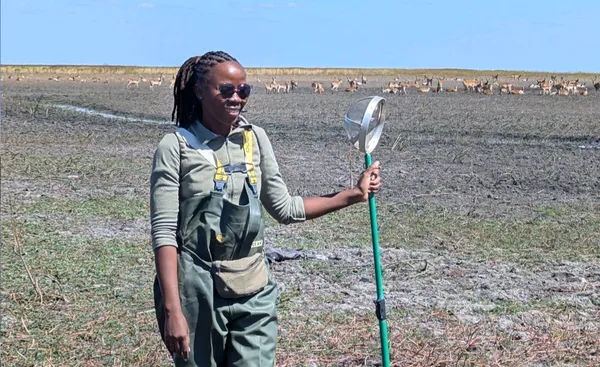
© Floyd Stevens
Namakau Muyumbana
© Floyd Stevens
Country: Zambia
Degree: PhD in Natural Sciences
University: Justus Liebig University Giessen, Germany
Research: Patterns and processes shaping diversification of mollusks in Zambian freshwater ecosystems
Invasive species, pollution, habitat degradation, and land-use change increasingly threaten Zambia's freshwater ecosystems. While fish have been widely studied, freshwater mollusks remain largely overlooked despite their important roles in ecosystem functioning and as indicators of environmental change. Namakau Muyumbana's research will document freshwater mollusk diversity across selected ecosystems in Zambia using both traditional taxonomy and molecular techniques. By identifying species, clarifying their evolutionary relationships, and mapping their distribution, the study will generate essential baseline data to identify biodiversity hotspots, inform conservation planning, and support long-term monitoring and sustainable management of Zambia's freshwater ecosystems.
Additional info: https://www.linkedin.com/in/namakau-muyumbana-635247a0/
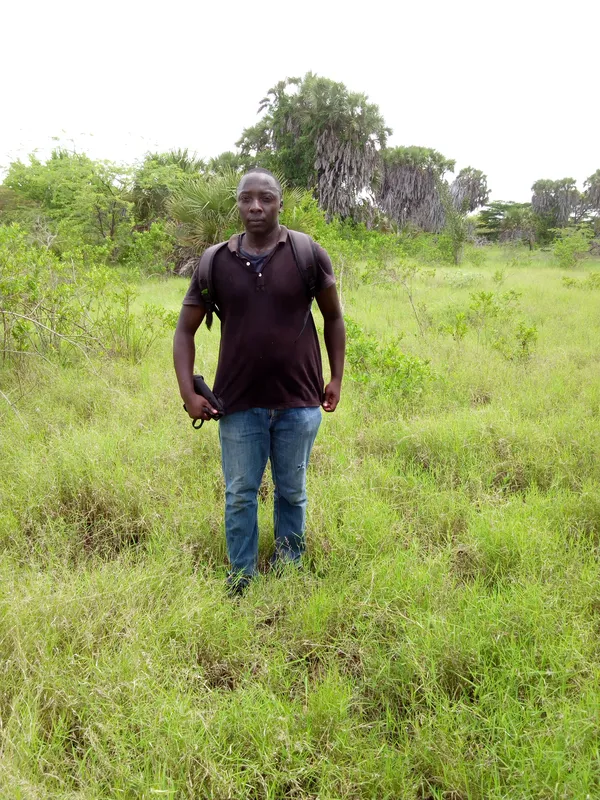
© Bhatisha Omar
Amuyunzu Nicholas Amisi
© Bhatisha Omar
Country: Kenya
Degree: PhD Wildlife Management and Conservation
University: University of Eldoret, Kenya
Research: Human–Alloprimate Sympatry and Conservation Pathways in Tana River Primate Reserve, Tana River County, Kenya
Rapid expansion of agriculture, settlement, and resource extraction is intensifying human–primate interactions, yet conservation decisions are often made with limited, outdated, or fragmented ecological and social data. Meanwhile, primates continue to be the subject of very little conservation-related research and academic training in the country, even when their extinction risk is very high. Amuyunzu Nicholas Amisi’s proposed work will evaluate how people and primates coexist in the lower Tana River in Kenya. By combining field observations of primates with interviews and discussions with residents, the study addresses critical gaps by generating integrated evidence on primate behavior, habitat use, and human activities within shared landscapes. Ultimately, the findings will advance community-led conservation strategies which will be a win-win for both biodiversity protection and livelihoods while strengthening capacity for primate research.
Additional info: https://www.researchgate.net/profile/Nicholas-Amisi
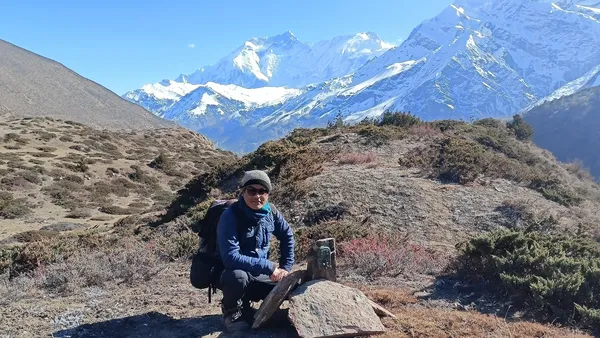
© P. B. Singh
Prakash Chandra Aryal
© P. B. Singh
Country: Nepal
Degree: PhD in Environmental Sciences
University: University of Southern Queensland, Australia
Research: Grasslands at the Crossroads: Integrating Spatial Perspectives into Socio-Ecological Interactions among People, Biodiversity and Climate
The high-altitude grasslands of the Nepal Himalayas are vital ecosystems that support unique biodiversity, wildlife, and mountain livelihoods. However, these ecosystems face severe threats from rapid changes in climate and socio-ecological interactions such as shifting community demography and livestock grazing practices, creating a conflict between biodiversity conservation and local livelihoods. Prakash Chandra Aryal’s research addresses these challenges by collecting robust field data and combining advanced remote sensing technology with socio-ecological information. By mapping grassland biodiversity and ecosystem health at high resolution, the proposed research will evaluate co-existence of sustainable grazing and biodiversity conservation while supporting pastoral livelihoods. These findings will provide insights and actionable strategies for adaptive management of Himalayan rangelands whilst bridging the gap between data and practices for a sustainable future in the Himalayas.
Additional info: https://scholar.google.com/citations?user=a8umAvQAAAAJ&hl=en

© Sustainable Rivers Forum
Sang Le-Thanh
© Sustainable Rivers Forum
Country: Vietnam
Degree: PhD in Rural Sociology
University: Charles Sturt University, Australia
Research: Climate-Driven Agricultural Transformation in the Vietnamese Mekong Delta: Visibility, Inclusion, and Empowerment in Gender, Youth, and Ethnicity
The Vietnamese Mekong Delta is experiencing significant agricultural, environmental, and institutional changes, yet marginalized groups continue to face unequal access to adaptation opportunities. Sang Le-Thanh will examine how factors such as gender, age, ethnicity, and wealth shape the capacity of communities to adapt to change. Combining quantitative household surveys with qualitative interviews, focus groups, and ethnographic fieldwork, Sang will capture both broader patterns and the lived experiences of rural households, examining how agricultural and environmental changes create different opportunities and challenges across social groups. The research will explore how differences in gender, age, ethnicity, and wealth, together with unequal access to land, resources, knowledge, and decision-making, shape households’ capacity to respond and adapt to change.
Additional info: https://www.linkedin.com/in/sang-le-thanh-2766b41a7/
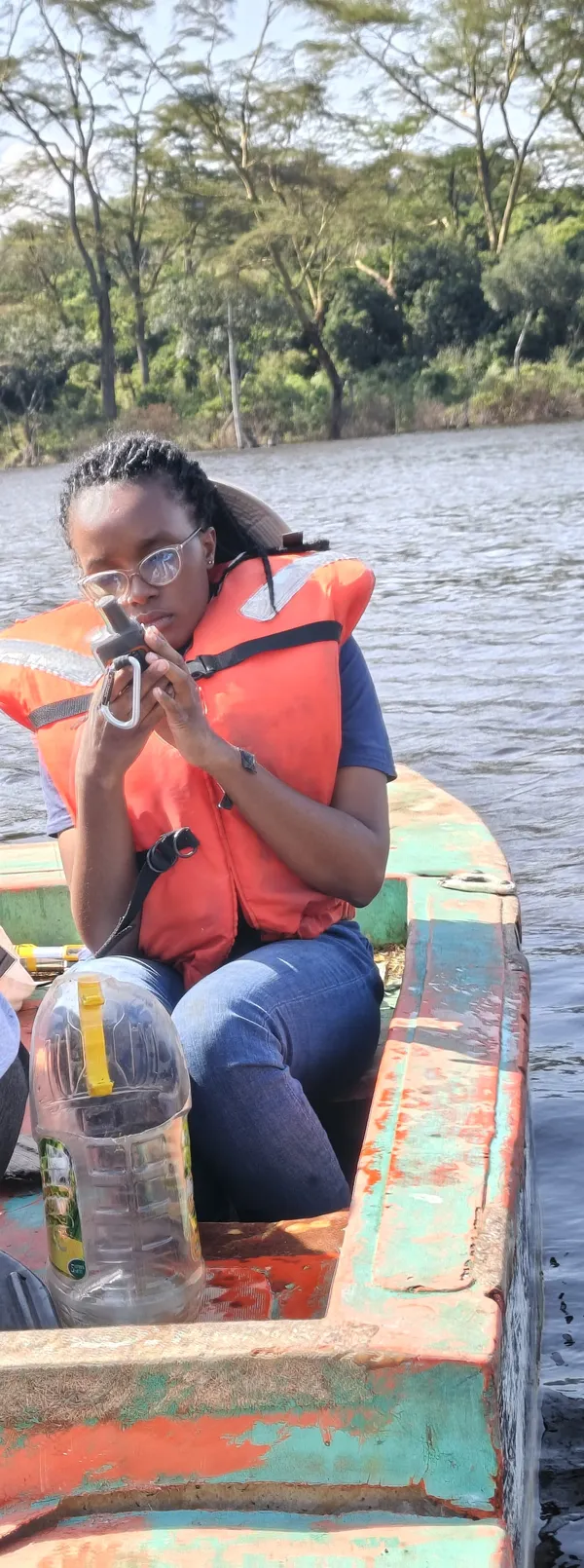
© Solomon Freddie
Sylvia Wanjiku Gathu
© Solomon Freddie
Country: Kenya
Degree: PhD in Limnology
University: Egerton University, Kenya
Research: Spatio-Temporal Distribution of Microplastics and the Environmental Drivers Shaping their Abundance, Movement, and Fisheries in Kisumu Bay, Lake Victoria
Lake Victoria is under pressure from pollution, overfishing, and habit degradation. Microplastics are an emerging pollutant that can interact with other contaminants such as heavy metals, with potentially severe but understudied implications. Sylvia Wanjiku Gathu’s research will examine the distribution and interaction of these pollutants across different ecological habitats. By measuring levels of microplastics and heavy metals across ecological zones, Sylvia’s research will identify pollution hotspots and provide insight into how these pollutants move through the ecosystem. This knowledge will help local communities, policymakers, and conservation groups develop practical strategies to reduce pollution, protect fish stocks, and support a healthier environment for people and wildlife. This project aligns with global goals to conserve freshwater ecosystems and promote sustainable livelihoods.
Additional info: https://www.linkedin.com/in/sylviagathu/
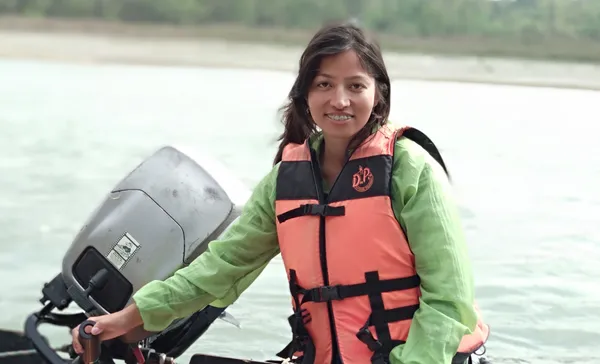
© Saneer Lamichhane
Trishna Rayamajhi
© Saneer Lamichhane
Country: Nepal
Degree: PhD in Earth Systems Science
University: Florida International University, United States
Research: Bridging Policy and Wetland Conservation: Assessing National Wetland Policy Implementation and Conservation Initiatives in Nepal in Line to Ramsar Convention
Nepal’s wetlands cover 5.6% of the country’s area and shelter 25% of the biodiversity yet many wetlands face rapid degradation due to urbanization and agricultural expansion. Although Nepal ratified the Ramsar Convention in 1988 and adopted a National Wetlands Policy in 2003, it remains unclear how these commitments are being implemented on the ground. Using mixed method research approaches, Trishna Rayamajhi will evaluate how Nepal implements its National Wetland Policy and Ramsar commitments. These findings will address three linked gaps: policy, practice, and people. Ultimately, Trishna’s work will support the development of guidance to protect biodiversity, safeguard wetlands, and support livelihoods while complying with the Ramsar Convention.
Additional info: https://scholar.google.com/citations?hl=en&user=_bGx8J0AAAAJ&scilu=&scisig=AKLELW8AAAAAalmq5udrr6ZVwwX6X0jI3krWK9E
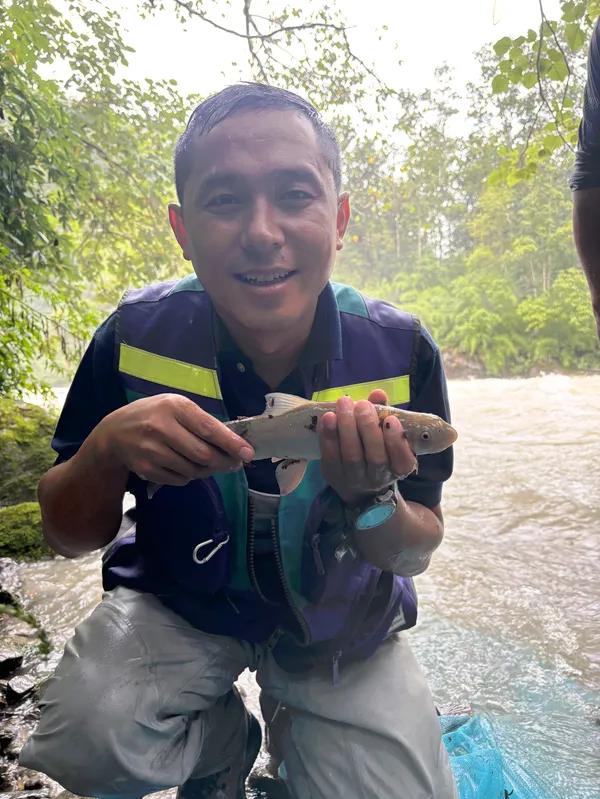
© Sonam Moktan
Ugyen Dorji
© Sonam Moktan
Country: Bhutan
Degree: PhD in Freshwater Ecology
University: University of Western Australia, Australia
Research: Cold-water conflict: Ecological modeling and managing the impacts of brown trout invasion on native snow trout in Bhutan
Bhutan’s rivers are home to snow trout, a native fish central to biodiversity and local culture. However, invasive brown trout, introduced in the 1930s, have spread across cold-water river systems and are displacing native fish populations in Bhutan. Ugyen Dorji's research will investigate the ecological impacts of this invasion using field surveys, environmental DNA, ecohydrological assessments, predictive modeling, and stakeholder engagement. Working closely with communities, hydropower operators, and government agencies, the project aims to develop practical and ethically informed management strategies that conserve native biodiversity, strengthen invasive species policy, and protect Bhutan's freshwater ecosystems.
Additional info: https://www.researchgate.net/profile/Ugyen-Dorji-15
2026 Fonseca Leadership Program Fellows
This opportunity provides financial support for graduate studies focused on education and research that address critical conservation challenges in Latin America.
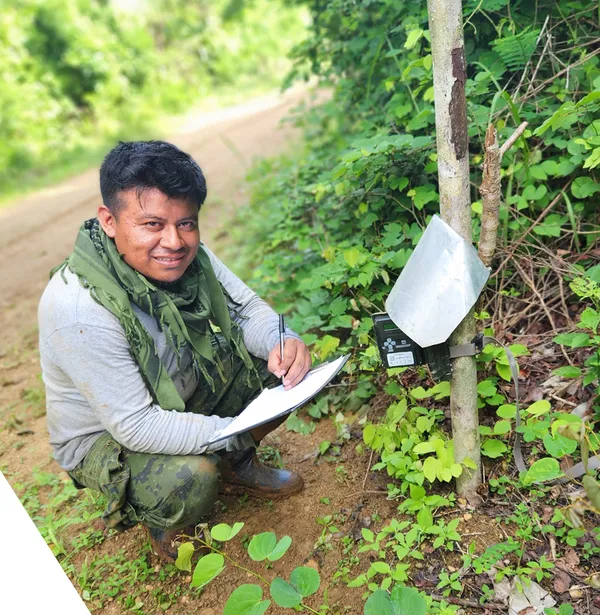
© Micheal Cob
Johny Tzib
© Micheal Cob
Country: Belize
Degree: PhD in Wildlife Conservation
University: Virginia Polytechnic Institute and State University, United States
Research: Thermal and Hydrological Stress as Drivers of Co-occurrence Restructuring and Refugia Selection in Belize's Maya Forest Ungulate Guild: A Multi-Species, Multi-Season Occupancy Analysis of Jaguar Prey Base Connectivity
While Belize recently launched a novel National Wildlife Database, the lack of common monitoring methods means data collected by local communities, researchers, and non-government organizations is often incompatible with national policy. This creates a compatibility crisis where valuable local knowledge is often unintentionally excluded from high-level decision-making. Johny Tzib’s research aims to resolve this by creating a unified camera-trap system to monitor jaguars and prey across Belize, co-developed by a diverse array of partners. Using advanced statistical modeling, combined with extensive previously collected camera trap data, he will map Belize's key ungulate species movement and interactions over time and in response to a potentially changing climate. He will then translate complex models into interactive analysis tools that local conservationists will be able to use. By standardizing how data is collected and simplifying how it is analyzed, this project ensures that local stewards are active partners defining Belize’s conservation future.
Additional info: https://scholar.google.com/citations?hl=en&user=pHqCsx0AAAAJ
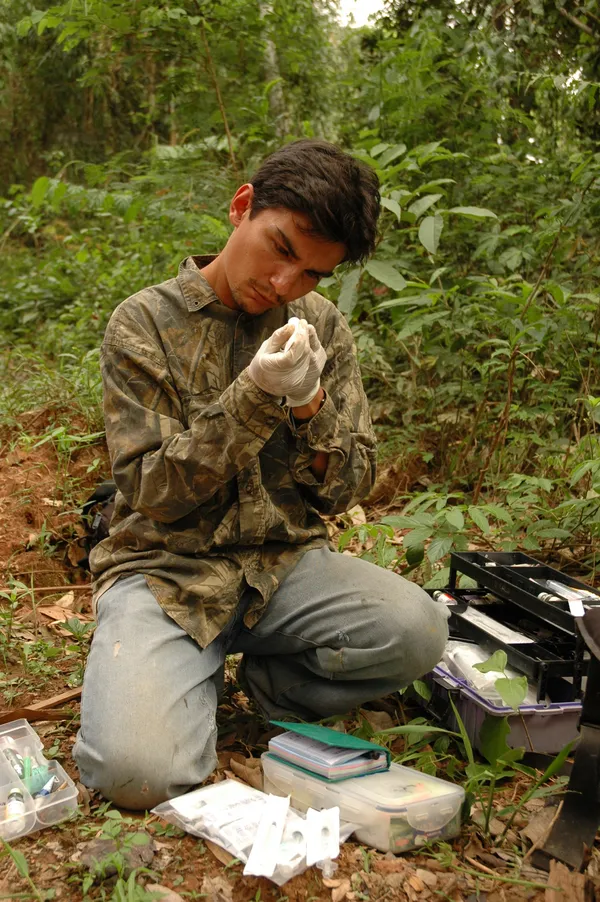
© Marlon Guerra
Alfonso Zuñiga Hartley
© Marlon Guerra
Country: Peru
Degree: PhD in Biology
University: University of British Columbia, Canada
Research: From movement to viability: Evaluating functional connectivity and restoration to guide species recovery and landscape conservation
Wildlife populations depend on connected landscapes to survive, but roads and other human disturbances increasingly fragment habitats. Alfonso Zuñiga Hartley‘s research examines whether restoring research roads and linear disturbances actually helps wildlife move safely and reconnect across landscapes. Using GPS tracking data, Alfonso will study how animals respond to restoration efforts and identify where future actions will have the greatest impact. The goal is to provide practical guidance to conservation practitioners, Indigenous partners, and decision-makers so that restoration investments lead to real improvements in connectivity, species recovery, and ecosystem resilience.
Additional info: https://www.researchgate.net/profile/Alfonso-Zuniga-Hartley
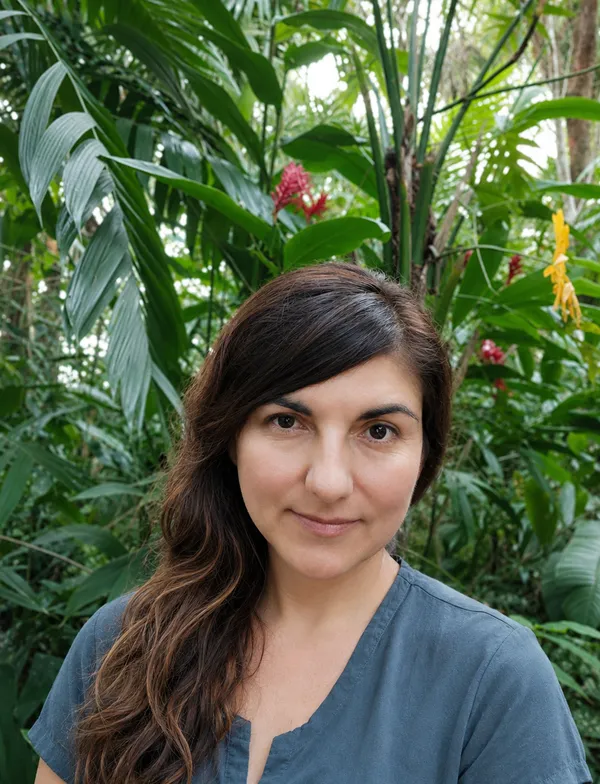
© Catalina Riveros-Gómez
Catalina Riveros-Gómez
© Catalina Riveros-Gómez
Country: Colombia
Degree: PhD in Environmental Science, Policy, and Management
University: University of California at Berkeley, United States
Research: Living in and with the forests: Partnering with campesino communities to protect the Colombian Amazon
Catalina Riveros-Gómez studies how campesino communities in the Colombian Amazon steward and care for forests and biodiversity while navigating economic, environmental, and safety pressures. Campesinos both protect forests and sometimes clear land, but the reasons behind these choices are often misunderstood. Insecure land rights, changing environmental rules, limited economic opportunities, and armed groups shape how people live with, use, and care for forests. Catalina works directly with campesinos to understand their daily lives, knowledge, forest-care practices, values, and relationships with biodiversity. Using participatory methods and satellite data, her research connects local experiences with environmental change and supports fairer, locally led conservation in the Amazon.
Additional info: https://ourenvironment.berkeley.edu/people/catalina-riveros-g%C3%B3mez
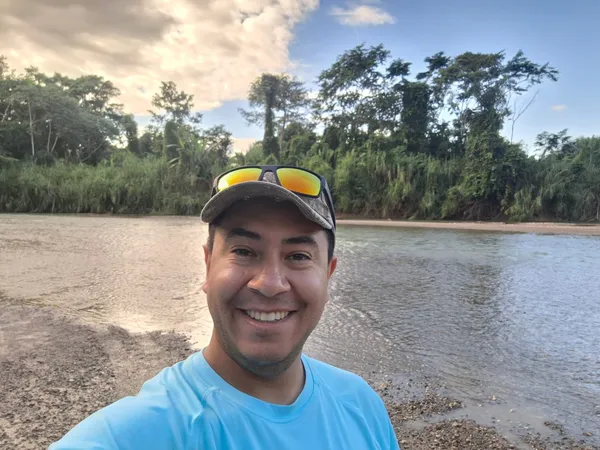
© César E. Fuentes Montejo
César E. Fuentes-Montejo
© César E. Fuentes Montejo
Country: Guatemala
Degree: PhD in Biological Sciences
University: University of Illinois at Chicago, United States
Research: Ecological divergence and connectivity in Middle American freshwater fishes
César Fuentes-Montejo will study two species of cichlids, the main fish family targeted by local artisanal fisheries: the endemic Chuco godmanni and the widespread Vieja maculicauda. His research will focus on populations of both species across the Izabal drainage in eastern Guatemala. This drainage flows into the Caribbean and forms part of the headwaters of the Mesoamerican Reef System. César will examine how habitat specificity influences the connectivity across the riverscape for these two species. He will combine fine-scale habitat data gathered through fieldwork with genomic data to better understand patterns of connectivity, population structure, and habitat variability across the Izabal drainage. This research will be critical to understanding the conservation status and population connectivity of these two key species that support one of the region’s key fisheries.
Additional info: https://www.researchgate.net/profile/Cesar-Fuentes-Montejo
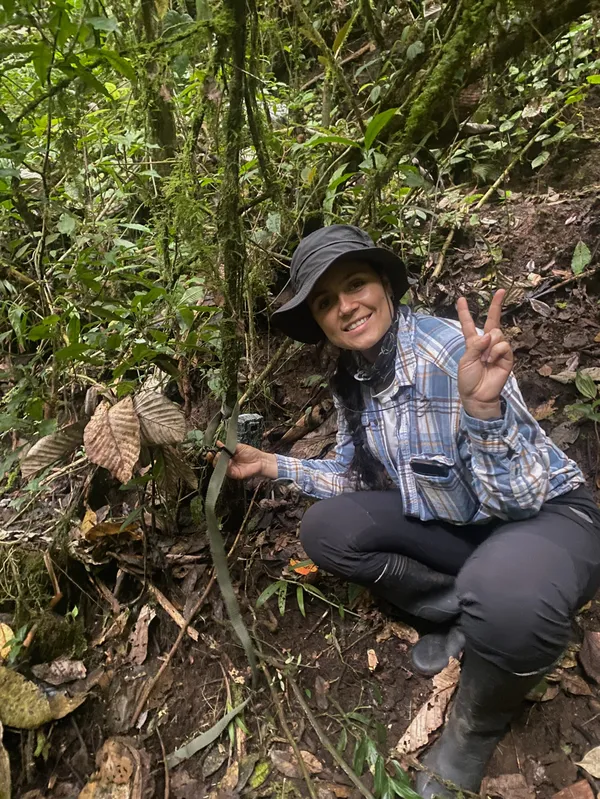
© Andres Tamayo Zuluaga
Tatiana Velásquez Roa
© Andres Tamayo Zuluaga
Country: Colombia
Degree: PhD in Aquatic Resources and Integrative Biology
University: Texas State University, United States
Research: Spatio-temporal dynamics of tropical mammalian carnivores: Functional traits, niche conservatism, and human impacts
Tatiana Velásquez Roa will study the effects of habitat fragmentation on the activity patterns of mammalian carnivore species using camera traps. This fieldwork will follow protocols established by the Snapshot project, an initiative that was developed in the United States and is now being expanded globally. With the empirical data collected in Colombia, Leidy will be able to extrapolate the ecological dynamics of mammalian carnivores across tropical continents and islands around the world and compare to local dynamics. Colombia is globally recognized for its biodiversity yet lacks sufficient resources and opportunities to protect it effectively. With this study, Leidy aims to inform conservation strategies grounded in adaptable ecological understanding to diverse tropical landscapes and to implement a collaborative effort among academics and local communities.
Additional info: https://scholar.google.com/citations?user=PC7FlfgAAAAJ&hl=en
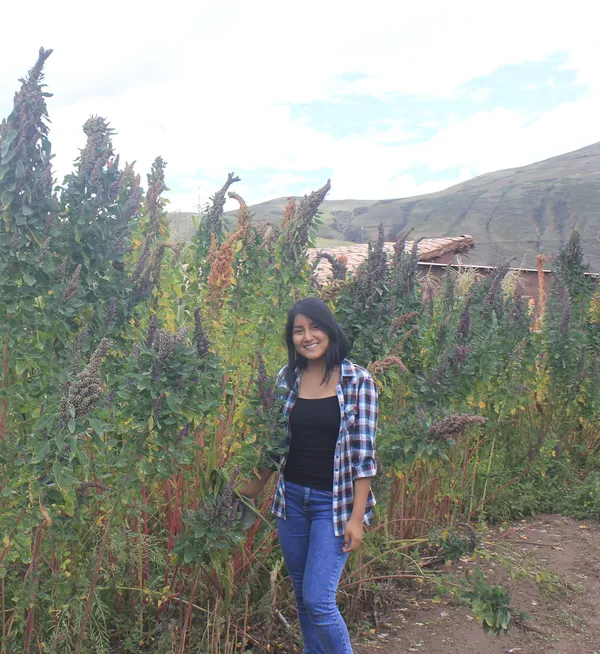
© Tania V Rojas
Tania V. Rojas
© Tania V Rojas
Country: Peru
Degree: PhD in Biology
University: University of Kentucky, United States
Research: Beyond Extraction: Mining Impacts on the Niche Dynamics of High-Andean Flamingos
Tania Rojas’s research will investigate how lithium mining and climate change are affecting the habitats of three high-Andean flamingo species. Although flamingos are flagship species for wetland conservation, their critical salt lake habitats are increasingly threatened by desiccation and transformation due to lithium mining and climate change. By integrating satellite imagery, historical bird surveys, and ecological modeling, Tania will identify the environmental conditions that support each flamingo species and determine how suitable habitat is changing. Specifically, she aims to map areas where important flamingo habitat overlaps with mining activities to identify high-risk zones where restoration or stricter protection could make the biggest difference. Ultimately, this project will produce thematic maps and strategic guidance to support governments and conservation organizations in balancing flamingo protection with the demands of energy consumption and global change.
Additional info: https://taniarojasc.github.io/
2026 Conservation Futures Fellows
This opportunity supports individuals committed to the conservation efforts of Indigenous peoples and local communities at local, national, and regional levels.
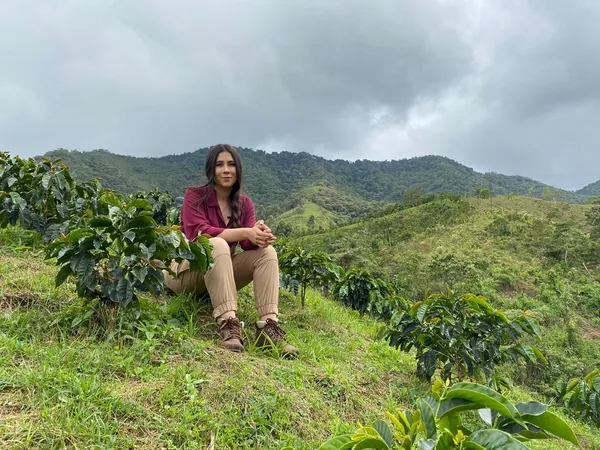
© Alejandra Peters
Alejandra Peters
© Alejandra Peters
Country: Colombia
Degree: MS in Environmental and Land Planning Engineering
University: Politecnico di Milano, Italy
Research: Weaving the Circular Socio-Bioeconomy: Co-designing a Governance and Territorial Planning System for the Metabolism of Biocultural Value Chains in the Chocó Biogeographic Region
Alejandra Peters’ research proposes to co-create, with Indigenous Peoples and Local Communities in the Chocó Biogeographic Region, a territorial socio-bioeconomy model that strengthens both conservation and livelihoods. Based on traditional knowledge and socio-ecological metabolism analysis, her project integrates land and marine conservation with local production systems through the circular transformation of biomass from key value chains, such as coconut and fisheries. Through engineering research, the project aims to support local ecological solutions that remain environmentally responsible and responsive to community-defined necessities, demonstrating that conservation can be effectively supported through locally led socio-bioeconomic systems.
Additional info: https://www.linkedin.com/in/alejandrapeters/
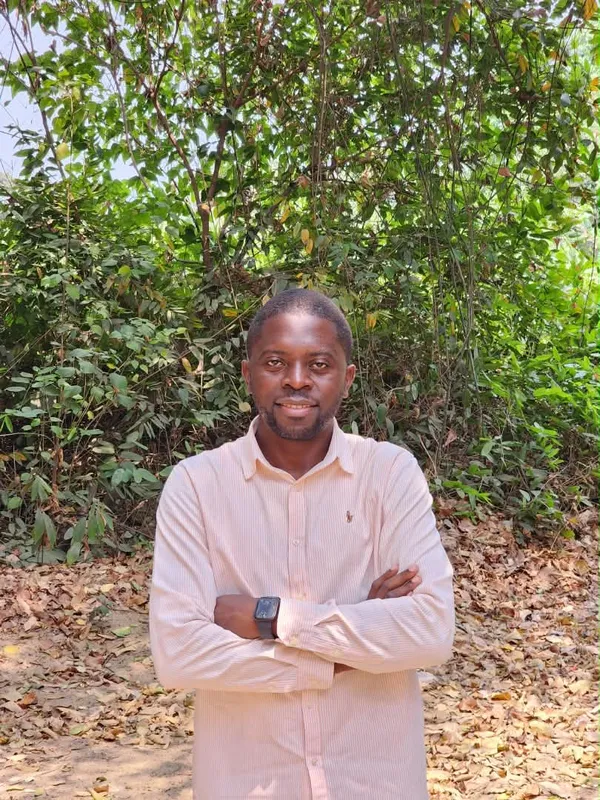
© Joyce Christevie Mavoungou
Armel Landry Batchi-Bouyou
© Joyce Christevie Mavoungou
Country: Republic of the Congo
Degree: PhD in Conservation Science and Geospatial Environmental Monitoring
University: Université Marien Ngouabi, Republic of the Congo
Research: Community-Engaged Geospatial Monitoring of Peat Swamp Forest Loss and Conservation Priorities in the Lac Télé Landscape, Republic of the Congo
Armel Landry Batchi-Bouyou's research focuses on forest loss in the peat swamp forests of the Lac Télé landscape in northern Republic of the Congo. Using satellite data, GIS, field validation, and community engagement, he will map recent forest-cover loss and identify areas where conservation attention is most urgently needed. The project responds to gaps in locally usable information for monitoring these biodiversity- and carbon-rich forests. His goal is to produce practical, reproducible tools that strengthen protected-area monitoring, guide conservation priorities, and support community-informed stewardship of one of the Congo Basin’s most important peatland ecosystems.
Additional info: https://scholar.google.com/citations?hl=en&user=3DXVx9QAAAAJ&view_op=list_works
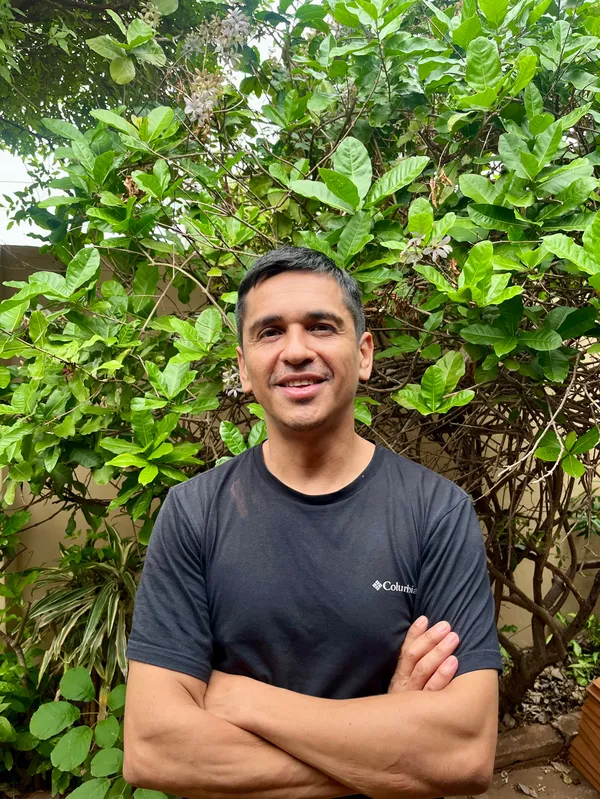
© Amin Basabe
Claudio Basabe
© Amin Basabe
Country: Paraguay
Degree: PhD in Human Dimensions of Natural Resources
University: Colorado State University, United States
Research: Environmental conservation and Indigenous worldviews in the Paraguayan Chaco: Ruptures, continuities, and epistemic conflicts vis-à-vis Western forest management models
The Paraguayan Chaco is one of the most biodiverse ecosystems in South America and home to 15 groups of Indigenous Peoples. In recent decades, conservation policies in the region have increasingly been shaped by approaches rooted in Western frameworks, including national parks, payments for ecosystem services and, more recently, carbon markets. These initiatives often place an economic value on forests as a means of supporting their conservation. For communities that have inhabited and cared for these forests for generations, this framework is alien. Claudio Basabe’s research will examine what happens when two distinct ways of understanding and relating to the forest come into contact. Through fieldwork in three regions of the Chaco, Claudio aims to document how these Indigenous peoples conceive of conservation, the conflicts generated by external environmental policies, and the alternatives they are building based on their own worldviews. His findings will contribute to the academic discussion on climate justice while also providing insights that could be useful to the communities themselves and conservation policymakers. The research will explore how recognizing Indigenous values and perspectives can contribute to more effective and lasting approaches to conservation.
Additional info: https://scholar.google.com/citations?hl=es&user=4YPCGNAAAAAJ
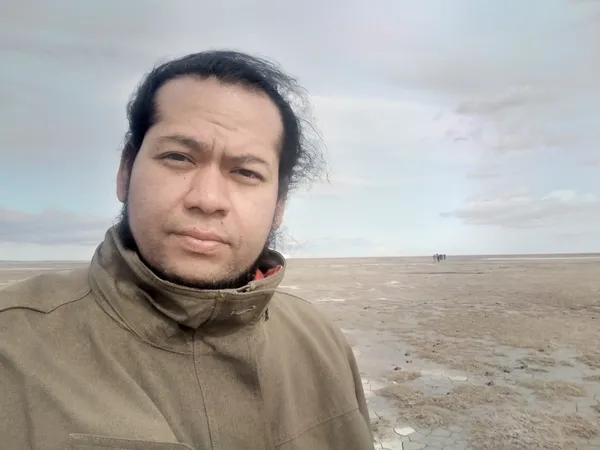
© Gabriel Peredo Albornoz
Gabriel Peredo Albornoz (Uma Kanchariq)
© Gabriel Peredo Albornoz
Country: Bolivia
Degree: PhD in Ecology and Biodiversity
University: Santo Tomás University, Chile
Research: Mutual Nurturing in the Atacama Desert: Symbiosis and Relationality Between Medicinal Plants, Arbuscular Mycorrhizal Fungi, and Knowledge of the Atacameño People
Soil supports nearly 60% of life on Earth, yet it remains overlooked in conservation. Less than 10% of arbuscular mycorrhizal fungi (AMF), microscopic partners that sustain life, are found within protected areas. Globally, Indigenous territories overlap with 40% of protected areas, reflecting millennia of stewardship and biocultural knowledge. In northern Chile, 13,000 years of medicinal-plant use have sustained biodiversity, yet only five AMF species have been recorded. Indigenous participation in protected-area decision-making remains limited. Gabriel Peredo’s research explores Atacameño relationality among Indigenous science, ecological-phytochemical fieldwork, and biocultural governance. Working with the Consejo de Pueblos Atacameños to co-design the research, he aims to advance soil stewardship and the rights of the more-than-human community.
Additional info: https://www.linkedin.com/in/gpal7/
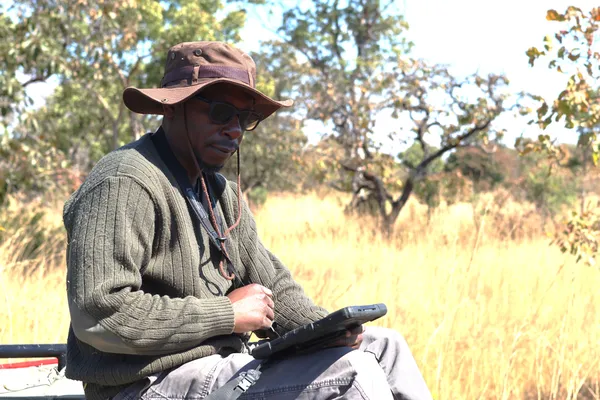
© Ella Bradford
Howard Maimbo
© Ella Bradford
Country: Zambia
Degree: PhD in Ecology and Evolution
University: University of Wyoming, United States
Research: Quantifying the effects of protection gradients on large herbivore densities
In Zambia, large herbivores and carnivores play an important role in maintaining healthy ecosystems while also supporting livelihoods through tourism and sustainable resource use. However, understanding where wildlife populations face the greatest threats, or where their ecological and economic value may be overlooked, can be challenging, especially in areas where environmental conditions and human activities vary widely. Howard Maimbo’s research focuses on improving how wildlife populations are monitored and assessed across shared landscapes and how this information can support conservation planning and wildlife population management. By combining advanced, scalable survey techniques with analytical tools, Howard will produce more accurate and reliable estimates of animal numbers in some of Zambia’s most important ecosystems. He will also develop a scalable approach to monitoring and collaboration with local communities, community scouts, and conservation practitioners that could be applied across the country. This research aims to develop practical approaches that support better decision-making by communities, managers, and policymakers.
Additional info: https://scholar.google.com/citations?user=rphLleIAAAAJ&hl=en
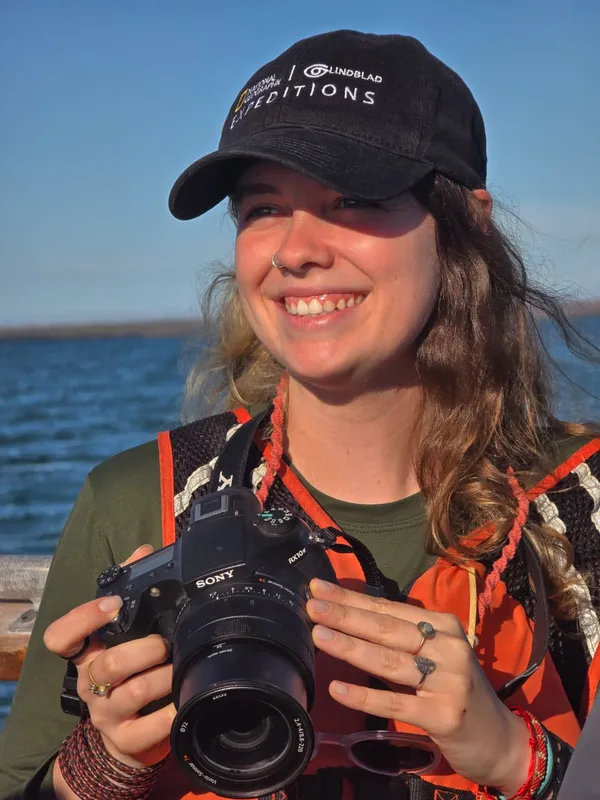
© Camila Martins
Juliana Martins
© Camila Martins
Country: Brazil
Degree: PhD in Environmental Policy
University: Imperial College of London, United Kingdom
Research: Social and Ecological Implications of the Nighttime Traffic Restriction on the BR-174 Highway within the Waimiri-Atroari Indigenous Territory, Brazilian Amazon
Juliana Martins’ research examines a unique case in the Brazilian Amazon, where the Waimiri-Atroari Indigenous community has a legal right to manage an overnight traffic restriction on Federal Highway BR-174, from 6 p.m. to 6 a.m. By reducing traffic during these hours, the community aims to improve safety within its territory and reduce environmental impacts, particularly wildlife road mortality. Despite being a rare example of Indigenous governance over infrastructure, the social and ecological effects have never been assessed. This project combines social and ecological methods to assess the effectiveness and broader implications of this intervention. Juliana will conduct interviews and focus groups with the Waimiri-Atroari people from villages along the river system and near the highway, exploring their perspectives on how the highway affects wildlife and community well-being, how the nighttime restriction helps address these impacts, and its role in territorial governance. The findings could provide evidence to improve road management across Indigenous territories and protected areas in the Amazon.
Additional info: https://orcid.org/0000-0002-5465-8276
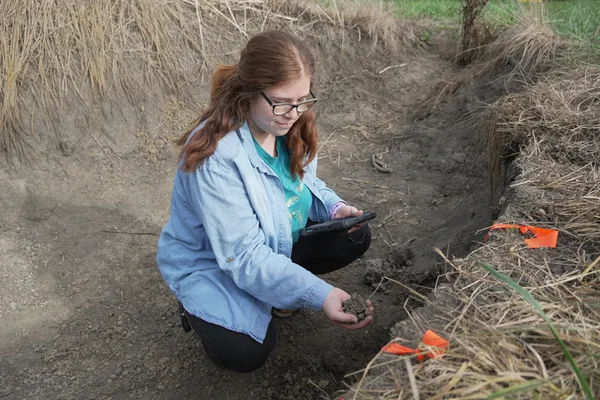
© Marcus Mues
Teresa Paniagua
© Marcus Mues
Country: Paraguay
Degree: PhD in Interdisciplinary Ecological Science & Engineering
University: Purdue University, United States
Research: Toward Nature-Based Solutions in Paraguay: Combining Farmer Motivations and Soil Organic Carbon Dynamics into Co-created Digital Tools
Paraguay's Atlantic Forest once covered much of the country’s Eastern Region. Today, decades of agricultural expansion have left the forest highly fragmented, placing ecosystems such as the Itabo Reserve under continued pressure from land conversion. Land management within the reserve and surrounding areas is therefore critical to maintaining ecosystem health and resilience. Farmers and Indigenous communities make daily decisions about how land is used and managed. As soil quality declines, pressure to clear more forest for fertile ground can increase. Regenerative farming practices can help restore soil health, halting the agricultural frontier. While these practices are recognized as vital nature-based solutions, the behavioral data to understand on-the-ground motivations currently does not exist. Teresa Paniagua’s research seeks to address this gap. Working alongside communities, she will conduct surveys and work with farmers to map how their land is being managed. That map will then guide where soil samples are taken across different management systems, combined with time series satellite imagery to understand how soil organic carbon varies across the landscape and over time. The goal is to produce open-access digital tools and co-created recommendations that empower local communities with concrete, usable knowledge for enhanced environmental stewardship.
Additional info: https://www.linkedin.com/in/teresa-paniagua/
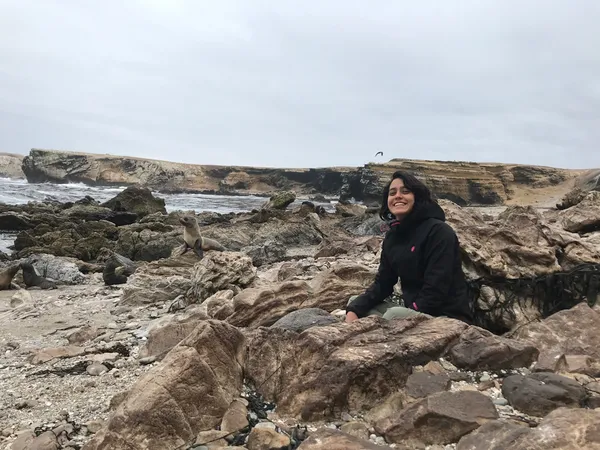
© Rodrigo Medina Franco
Patricia Sangiorgi Monroy
© Rodrigo Medina Franco
Country: Peru
Degree: MS in Conservation Science
University: University of Kent, United Kingdom
Research: Motivations for marine conservation: Exploring the environmental values underlying local environmental stewardship in Ancón’s small-scale fishing community
People’s values and motivations play a role in shaping their engagement in environmental actions, and these may change when communities face external threats. In Peru, small-scale fisheries are important, and the coastal community of Ancón has been recognized for its sustainable practices. However, an oil spill in 2022 had significant environmental and social impacts on the community, and there is limited understanding of the effects of this ecological disturbance on their stewardship practices, values, and motivations. Patricia Sangiorgi Monroy’s research aims to explore these factors, identifying existing stewardship practices, and examining how they have evolved. Ultimately, she seeks to inform conservation efforts so they are better adapted to local contexts and more likely to be effective and sustainable.
Additional info: https://www.linkedin.com/in/patricia-sangiorgi-monroy-9b4492269/
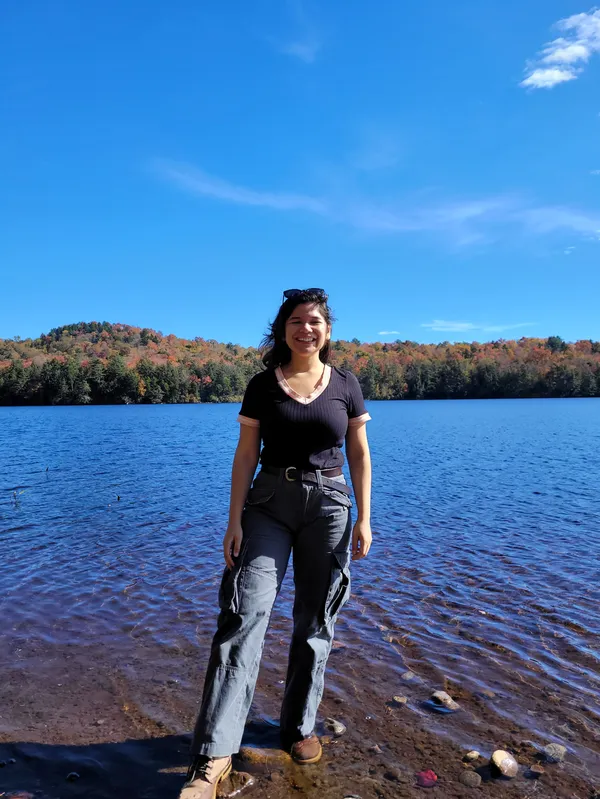
© Tim Honness
Sheyla G. Rios Galeano
© Tim Honness
Country: Paraguay
Degree: PhD in Human Dimensions of Natural Resources
University: Colorado State University, United States
Research: Flammable Frontiers: Fire Governance and Transformation in Paraguay’s Chaco
In Paraguay, fire can be both beneficial and harmful, depending on how, when, and why it is used. While fire is a natural part of some ecosystems, it is also widely used to manage land. In recent years, however, fires have become larger and more difficult to control. Historically, fire management in Paraguay and across the region has been strongly influenced by fire-suppression approaches. Today, the growing shift toward Integrated Fire Management creates an opportunity to better recognize the ecological role of fire, understand how it is used in practice, and incorporate different forms of knowledge into fire management. A key question in this transition is not only how fire is managed, but who participates in decision-making and whose knowledge is included. Sheyla G. Rios Galeano’s research will work with communities in Bahía Negra, including Indigenous peoples, ribereño communities, and ranchers, to understand how fire is governed and managed in practice. Her research will examine how decisions are shaped across different actors and how these processes interact with local knowledge. The goal is to better connect local practices with national fire management efforts and support more effective and realistic fire management strategies.
Additional info: https://www.linkedin.com/in/sheyla-r%C3%ADos-galeano-0b62b415b/
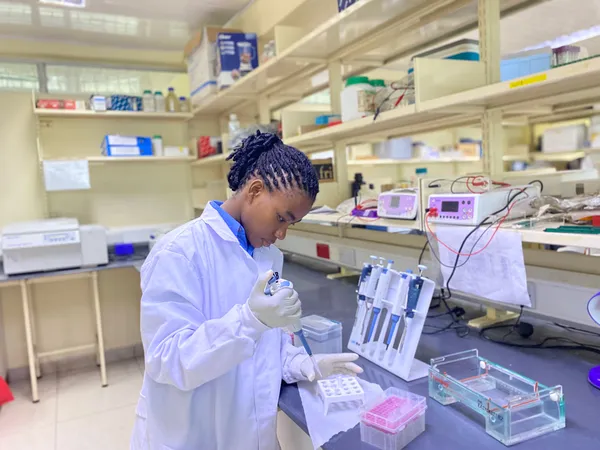
© Felix Lisso & Zynab Kadingo
Sophetor Genous
© Felix Lisso & Zynab Kadingo
Country: Kenya
Degree: MS in Conservation Biology
University: Pwani University, Kenya
Research: Co-developing a donor-meadow screening framework for climate-resilient restoration of Thalassia hemprichii in coastal Kenya
Seagrass meadows are important coastal ecosystems that support marine life, protect shorelines, store carbon, and provide livelihoods for coastal communities. However, these ecosystems are declining along the Kenyan coast due to rising ocean temperatures, pollution, and human activities. Current restoration efforts often replant seagrass without considering whether the plants can survive future climate conditions. Sophetor Genous’ research aims to improve restoration by identifying which seagrass meadows are most suitable as sources of planting material under warming conditions. The study will combine local ecological knowledge from coastal communities with scientific methods. Community members will help identify areas where seagrass is stable or declining, and these sites will be tested using physiological measurements and targeted genetic and microbial analyses. By integrating these approaches, the project will produce a practical framework for selecting climate-resilient donor meadows. This will help conservation practitioners and communities restore seagrass ecosystems more effectively and sustainably in the face of climate change.
Additional info: www.linkedin.com/in/sophetors-genous
2026 Train Legacy Scholarship
This opportunity is awarded in partnership with Escola Superior de Conservação Ambiental e Sustentabilidade (ESCAS-IPE) in Brazil, to assist students pursuing their conservation-focused master’s degrees.
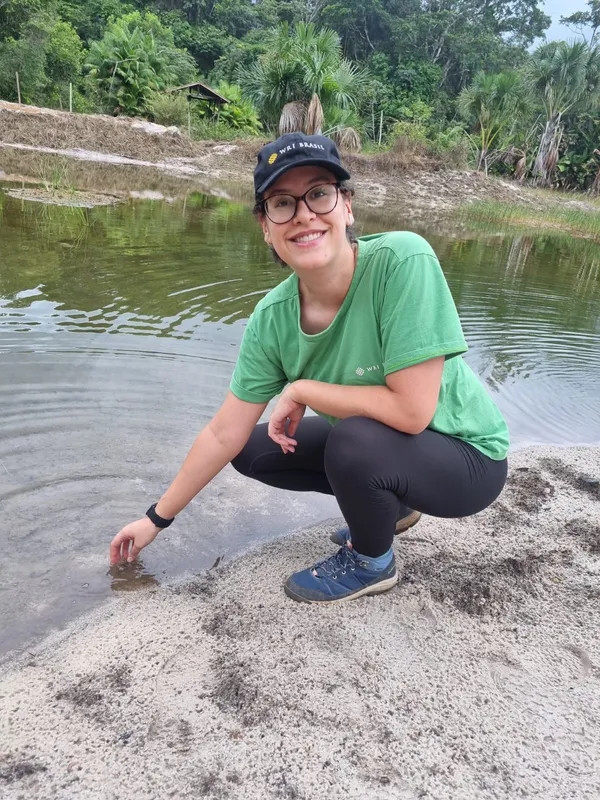
© Ana Paula Zillig
Ana Paula Zillig
© Ana Paula Zillig
Country: Brazil
Degree: Master's degree in Biodiversity Conservation and Sustainable Development
Institute: Escola Superior de Conservação Ambiental e Sustentabilidade, Instituto de Pesquisas Ecológicas, Brazil
Research: Assessing the Potential of Assisted Natural Regeneration and Agroforestry Systems to Support Community Strengthening among Smallholder Farmers in Pará, Brazilian Amazon
Brazil holds approximately 60% of the Amazon biome and has committed to restoring 12 million hectares of native vegetation by 2030. However, restoration initiatives that do not also support local livelihoods and community priorities can face challenges to long-term sustainability. Ana Paula Zillig's research will assess two complimentary restoration approaches that have the potential to protect forests while supporting farmers: Assisted Natural Regeneration (ANR) and Agroforestry Systems (AFS). Farmers can designate degraded or less productive areas to ANR, allowing natural forest recovery and supporting legal compliance. At the same time, AFS can maintain or expand productive activities elsewhere on their land. Ana’s work will investigate the potential of ANR and AFS to simultaneously promote ecological restoration and community strengthening among smallholder farmers in the state of Pará in the Brazilian Amazon, contributing to more effective restoration policy implementation at scale.
Additional info: https://www.linkedin.com/in/anazillig/
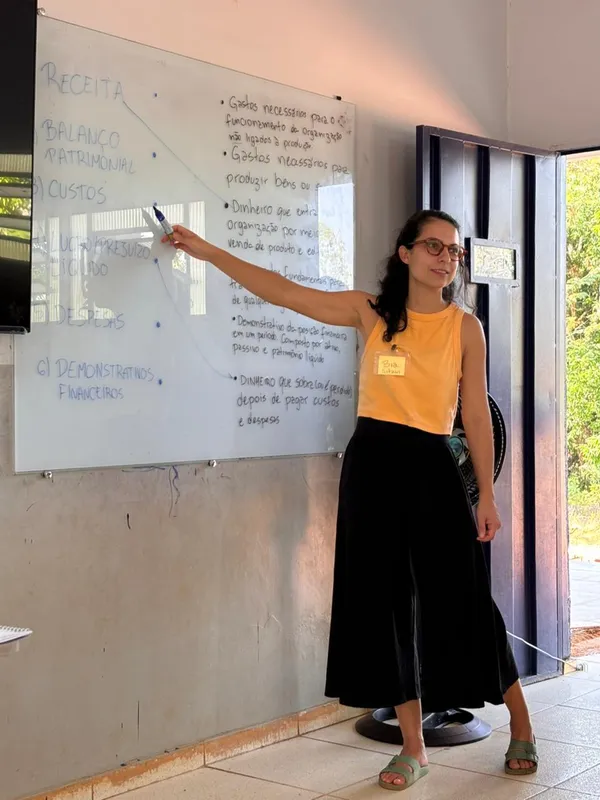
© João Montenegro
Beatriz Pires Tavares
© João Montenegro
Country: Brazil
Degree: Master's degree in Biodiversity Conservation and Sustainable Development
Institute: Escola Superior de Conservação Ambiental e Sustentabilidade, Instituto de Pesquisas Ecológicas, Brazil
Research: Financing Pathways for Conservation: Guiding Strategic Capital Allocation for Biodiversity Outcomes in Brazil
While interest in financing nature-based solutions in Brazil has increased significantly among impact investors, philanthropic organizations, climate funds, development institutions, and governments, there remains a substantial gap between the availability of capital and its effective allocation toward conservation outcomes. Different conservation strategies require distinct financial structures and generate different ecological and socioeconomic outcomes. Forest conservation, ecological restoration, sustainable management of natural resources, biodiversity-based value chains, protected area management, and payment for ecosystem services each present unique investment characteristics, risks, and opportunities. Beatriz Pires Tavares’ research seeks to address this challenge by developing a framework of financing pathways for conservation. The objective is to help investors, practitioners, and policymakers understand how different financial mechanisms can support conservation goals and under which conditions they are most effective.
Additional info: https://www.linkedin.com/in/beatriz-p-tavares/
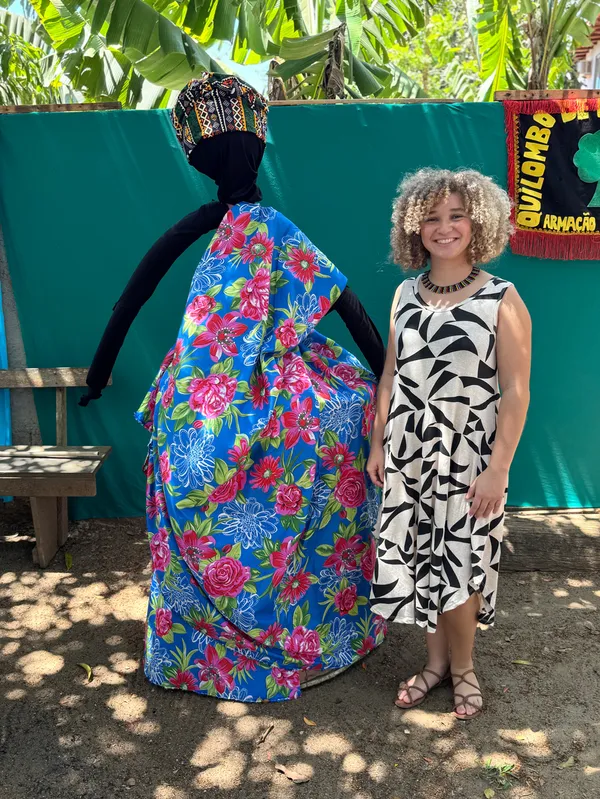
© Leonardo Cunha dos Santos
Luana Linhares Negreiro
© Leonardo Cunha dos Santos
Country: Brazil
Degree: Master's degree in Biodiversity Conservation and Sustainable Development
Institute: Escola Superior de Conservação Ambiental e Sustentabilidade, Instituto de Pesquisas Ecológicas, Brazil
Research: AI-assisted methodology for the preparation of socioenvironmental projects by Amazonian community leaders: a case study with AMTRAB in the PDS Brasília, Altamira/PA
In Brazil, many conservation leaders know their territory, its conflicts, and its priorities deeply, but still face difficulties in turning this knowledge into clear and consistent proposals. In the Amazon, this barrier has a direct effect on conservation, because it limits the access of community organizations to resources for territorial protection, restoration of degraded areas, strengthening of sustainable value chains, and dignified permanence in the territory. Luana Linhares Negreiro’s research proposes to develop and validate an AI-assisted methodology to support Amazonian community leaders in the preparation of socioenvironmental projects. The focus is not merely to create a tool, but to investigate how an assisted flow, organized in steps, questions, and review mechanisms, can reduce technical barriers to project writing and expand the autonomy of grassroots organizations in accessing community funds.
Additional info: https://www.linkedin.com/in/luana-linhares-negreiro-78720818a/
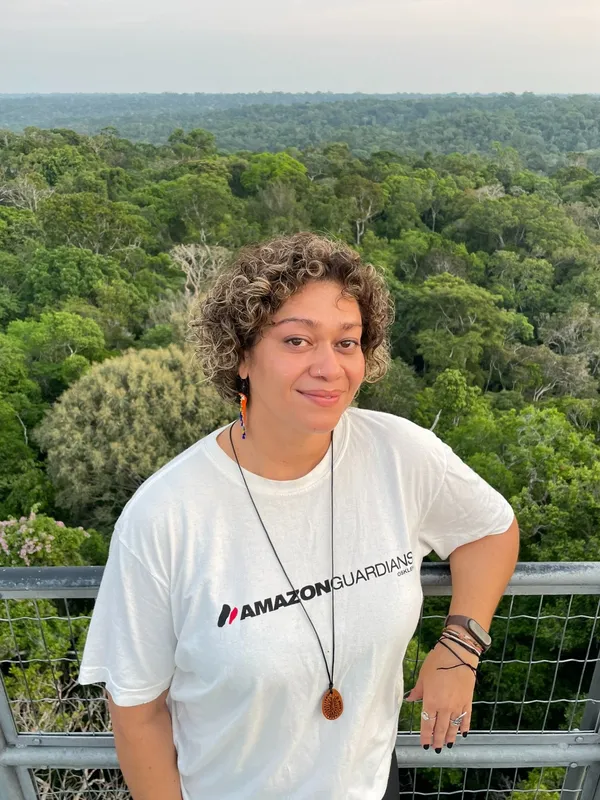
© Karina Paes
Paula Vanessa Silva
© Karina Paes
Country: Brazil
Degree: Master's degree in Biodiversity Conservation and Sustainable Development
Institute: Escola Superior de Conservação Ambiental e Sustentabilidade, Instituto de Pesquisas Ecológicas, Brazil
Research: Organizational Capacities and Inclusive Bioeconomies in the Amazon: A Participatory Assessment of Community-Based Agroextractive Enterprises in Pará
Many Amazonian community enterprises face persistent challenges related to governance, financial management, leadership, production planning, market access, capacity development, and institutional sustainability. Although these organizations are increasingly recognized as key actors in biodiversity conservation and forest-based economies, important gaps remain in understanding how organizational maturity influences their ability to remain economically viable, socially legitimate, and environmentally committed to their territories. Paula Vanessa Silva’s research seeks to answer the following central question: How can participatory organizational maturity assessment tools support the institutional strengthening of community-based agroextractive enterprises in the Amazon, and which organizational dimensions are most critical to their economic, social, and environmental sustainability?
Additional info: https://www.linkedin.com/in/paula-vanessa-silva-florestal/
2026 Mingma Norbu Sherpa Memorial Scholars
This opportunity supports Nepalese students who are committed to the future of environmental protection and sustainable natural resource management in Nepal.

© Sunil Tamang
Ngima Chhiri Sherpa
© Sunil Tamang
Country: Nepal
Degree: MS in Environmental Management
Institute: Lincoln University, New Zealand
Research: The dynamics of small glacial lakes: Studying the evolution, outburst, and future risks of lakes in the Thame catchment, Nepal
Glacial lakes are growing rapidly in the Himalayas as glaciers retreat, increasing the risk of sudden outburst floods that can threaten communities, ecosystems, and infrastructure downstream. Ngima Chhiri Sherpa’s research investigates how small glacial lakes in Nepal’s Thame catchment have changed over time and examines the potential impacts of future lake outburst scenarios. Using satellite imagery, GIS, and flood modeling, the study identifies changes in lake size, drainage pathways, and downstream hazards. The findings will improve understanding of risks from small and often overlooked glacial lakes and support hazard preparedness, conservation planning, and more informed decision-making for vulnerable Himalayan communities and ecosystems.
Additional info: https://www.linkedin.com/in/ngimachhirisherpa/
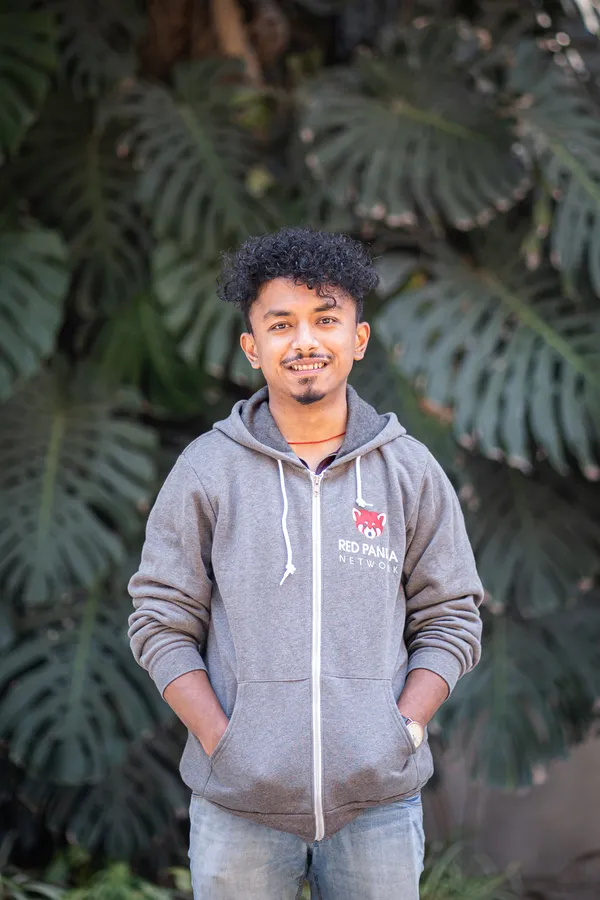
© RPN Anish Vaidya
Naresh Shrestha
© RPN Anish Vaidya
Country: Nepal
Degree: MS in Conservation and Ecology
Institute: Lincoln University, New Zealand
Research: Spatial modeling habitat suitability, fragmentation and connectivity for red pandas (Ailurus fulgens) in eastern Nepal
Red pandas depend on connected forest habitats, but their habitat is increasingly affected by changing climate and land-use change. Naresh Shrestha’s research assesses current and future red panda habitat suitability in the Panchthar-Ilam-Taplejung corridor of eastern Nepal and quantifies how habitat may become fragmented or disconnected. It also identifies potential wildlife corridors and bottlenecks that could help maintain movement between important habitat patches. Because much of Nepal’s red panda habitat occurs outside protected areas, the study will provide spatial information to guide conservation and restoration beyond protected-area boundaries, supporting landscape-level planning that considers both biodiversity and human land use.
Additional info: www.linkedin.com/in/naresh-shrestha-20349a1b0
2026 Cassagnol Fellows
This opportunity supports alumni to lead innovative programs that promote long-term outreach and capacity building in their areas of research, education, and training.
© filmandfish
Laia Muñoz Abril
© filmandfish
Country: Colombia
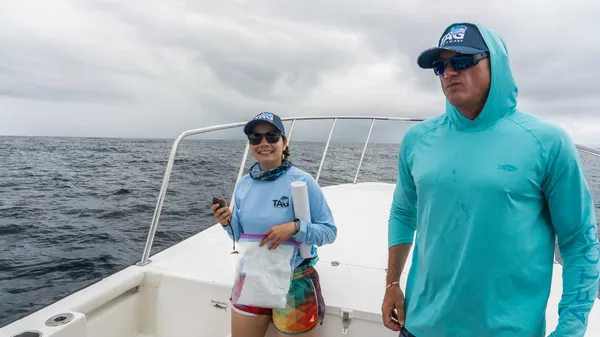
Research project: A Participatory and Integrated, Place-Based Understanding of Yellowfin Tuna (Thunnus albacares) in the Yuruparí–Malpelo Region of Colombia
Laia Muñoz Abril's project is centered on people and place, recognizing that the Yuruparí–Malpelo region in the Eastern Tropical Pacific may represent a key area for the responsible use of yellowfin tuna in Colombia. Her project will establish participatory spaces that bring together artisanal fishing communities, national authorities, and protected area managers, while involving students and academic institutions. Laia’s project will expand ongoing biological data collection to strengthen understanding of yellowfin tuna’s movement, connectivity, and life-history traits. It will also prioritize the co-generation and facilitation of knowledge exchange with the local communities of Yuruparí–Malpelo through workshops, technical working groups, and accessible tools for learning.
Additional info: https://www.linkedin.com/in/laia-munoz-abril-a648a18b/
© Soini Akomena
Emilia Inman
© Soini Akomena
Country: Namibia
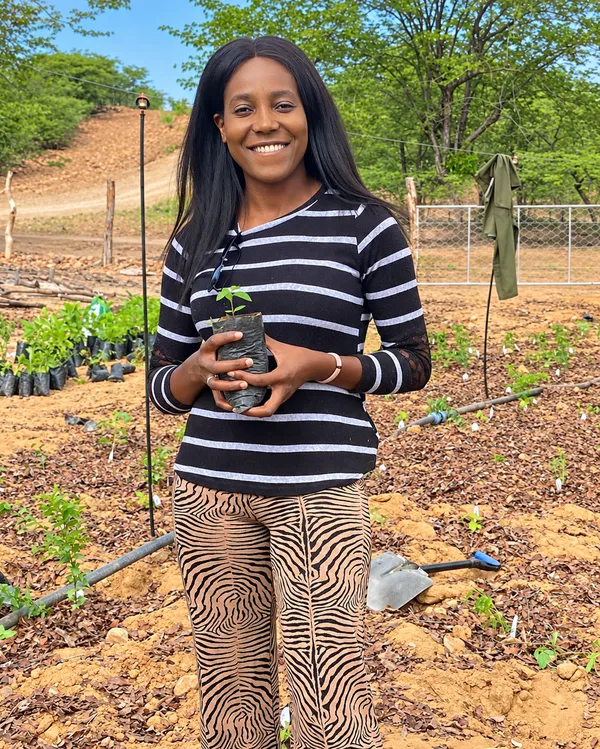
Research project: From Practice to Evidence: Generating Practice-Based Evidence for Community-Driven Ecosystem-Based Adaptation in Kunene, Namibia
Emilia Inman’s project will generate evidence-based insights into Ecosystem-based Adaptation (EbA) in Namibia’s drylands, building on over a decade of research and community-based restoration initiatives in the Kunene Region. It will evaluate, refine, and expand interventions including community gardens, mini-forests, small-scale restoration sites, and a nursery producing indigenous seedlings. This work will combine field assessment, evidence synthesis, participatory engagement and training to determine what works, for whom, and under what conditions. Students, early-career researchers, and community members will participate in implementation and learning. Outputs will include an EbA toolkit, training materials, and policy recommendations to strengthen climate resilience, restoration practices, and local conservation capacity.
Additional info: https://scholar.google.com/citations?user=WpOJjFsAAAAJ&hl=en
2026 Alumni Grants
This opportunity supports EFN alumni to connect, develop, and sustain their conservation science capacity and leadership.
© Oscar Gonzalez
Oscar Gonzalez & Ursula Valdez
© Oscar Gonzalez
Country: Peru
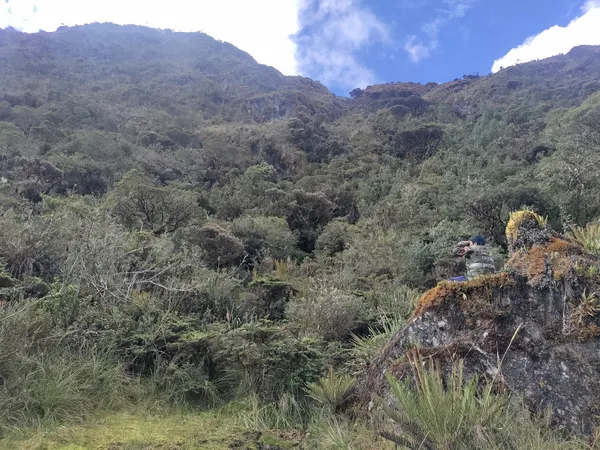
Project: Mapping Bird–Plant Partnerships to Protect Peru’s Andes-Amazon Montane Forest
EFN alumni Oscar Gonzalez and Ursula Valdez will study the mutualistic interactions between birds and plants in Peru’s montane forest, in the Andes-Amazon transition zone, which is home to many endemic species. This initiative will include identifying the most connected species in ecological networks and sharing relevant ecological information with authorities responsible for forest conservation. Regular biological monitoring is needed to assess the area’s biodiversity and the ecosystem services it provides, which in turn will strengthen conservation in this area. Oscar and Ursula’s work will also include training local conservation volunteers to support ongoing monitoring, which will help promote conservation of the forest and long-term environmental stewardship for local communities.
© Ann Knutson
Joanna Alfaro & Susana Cárdenas-Alayza
© Ann Knutson
Country: Peru
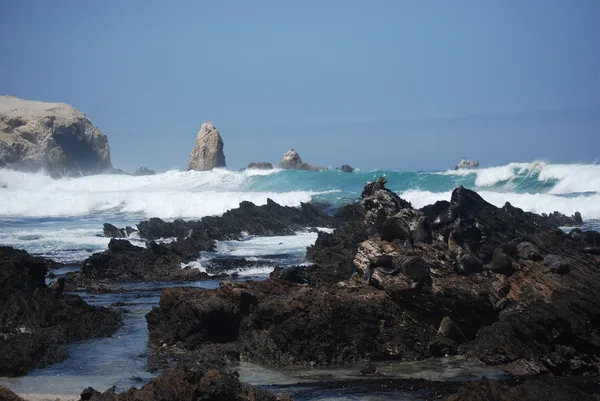
Project: Training Peru’s Next Generation of Marine Conservationists
EFN alumni Joanna Alfaro and Susana Cárdenas-Alayza will organize a field course on megafauna conservation in Peru for 20 early-career conservationists from eight coastal regions in Peru. Four participants will receive full funding through this grant. The course will include theory and practical modules, and address the conservation of pinnipeds, whales, dolphins, sharks, sea turtles, and seabirds covering biology, research and monitoring methods, and ways to reduce the impacts of human activities such as guano harvesting, fisheries, and tourism. By combining theoretical frameworks with practical, field-based problem solving, participants will develop critical skills in research, adaptive management, and stakeholder engagement. This course will also foster a sense of community and peer learning among emerging leaders who are addressing complex conservation challenges in areas with high biodiversity.
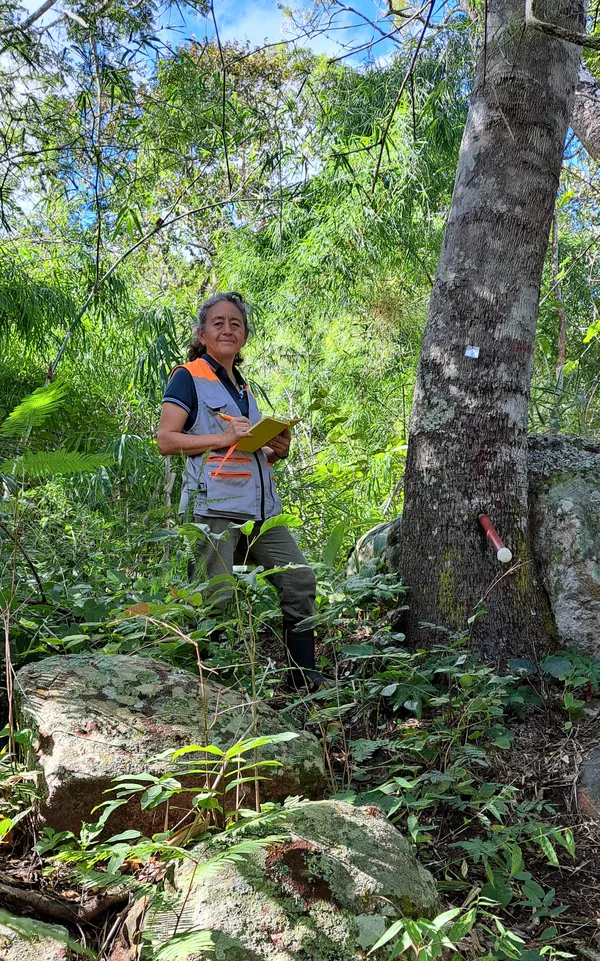
© Marisol Toledo
Marisol Toledo & Suzana Padua
© Marisol Toledo
Countries: Bolivia and Brazil
Project: Building a Sustainable Copaiba Bioeconomy in Bolivia’s Chiquitano Forest
Copaiba tree oleoresin is traded for its medicinal properties. Sustainable management of copaiba generates income for communities while conserving the forest. Despite its ecological importance and socio-economic potential, knowledge regarding copaiba in Bolivia remains limited. EFN alumni Marisol Toledo will conduct participatory research to assess the status of copaiba with five Indigenous communities in the Chiquitano region and the Universidad Autónoma Gabriel René Moreno. She will also visit EFN alumna Suzana Padua, President of Brazil’s Instituto de Pesquisas Ecológicas, to exchange knowledge and learn from the institute's experience with forest species value-chains. This work aims to generate local scientific evidence, strengthen community management, and support the forest bioeconomy and conservation of the Chiquitano forest.
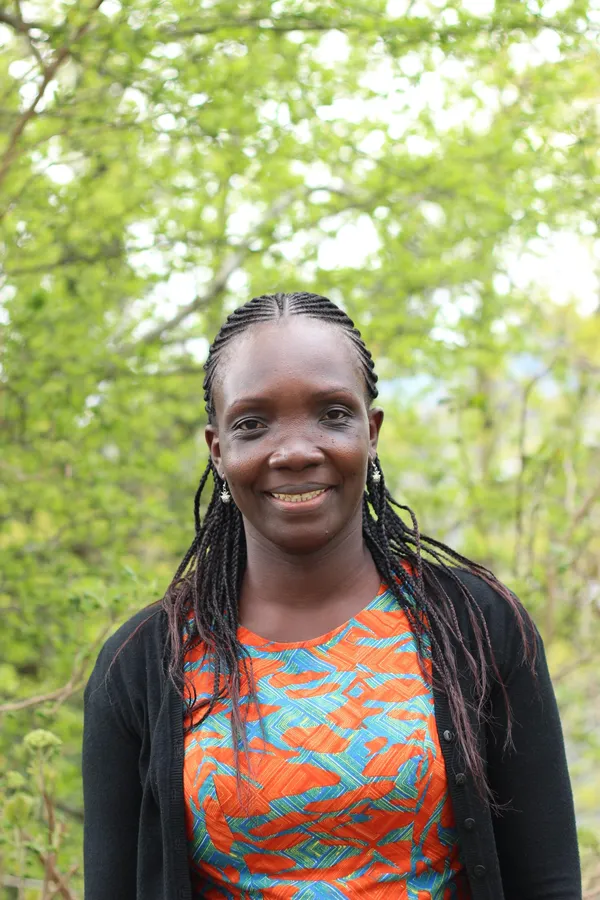
© Natalia Peralta
Margaret Awuor Owuor
© Natalia Peralta
Country: Kenya
Project: Growing a A Mentorship Network for Kenya’s Emerging Conservation Leaders
Margaret Awuor Owuor will design and coordinate Connecting Voices, a Kenya-focused pilot program that will strengthen mentorship, peer learning, and networking among EFN alumni and early-career conservation professionals. Using expertise mapping and mentor matching, the program will launch mentor-mentee pairs over six months, helping emerging conservation leaders build confidence, skills, and connections while documenting a model for adaptation by other EFN country groups and chapters, including future expansion to East and Central Africa EFN beneficiary landscape nations.
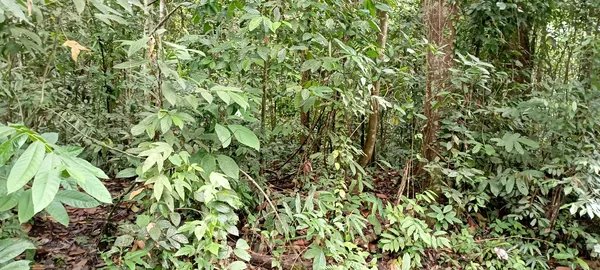
© Suyadi
Suyadi & Fachruddin Mangunjaya
© Suyadi
Country: Indonesia
Project: Mitigating Plastic Pollution in Indonesia’s Bukit Barisan Selatan National Park
This project aims to strengthen collaboration among EFN alumni while addressing plastic pollution along the Sanggi–Bengkunat road located within Bukit Barisan Selatan National Park (BBSNP) in Indonesia. This globally significant tropical forest is increasingly threatened by plastic pollution, particularly along the road, yet, scientific data and community awareness on this issue remain limited. EFN alumni Suyadi and Fachruddin Mangunjaya will collaborate to conduct a rapid assessment of plastic pollution and its ecological impacts, alongside community awareness activities that draw on culturally relevant and Islamic-based approaches. Project methods will include vegetation plots, quadrants for plastic sampling, and soil sample collection. Additionally, Macaque (Macaca nemestrina) feces will be collected and analyzed to determine whether plastic waste has contaminated wildlife. To ensure community involvement, the project will include training sessions, outreach programs for students and local communities, and engagement with local stakeholders, including religious leaders. By integrating science and faith-based values, the initiative aims to promote behavioral change and strengthen environmental stewardship, while delivering tangible benefits for local communities, biodiversity conservation, and forest sustainability.