ArcNet: protecting marine biodiversity in the Arctic
© WWF-US / Elisabeth Kruger
The Arctic Ocean is home to diverse marine species in unique ecosystems that play a key role in moderating the global climate and provide food, livelihoods, and cultural identity for many people. The loss of even one important link in the complex Arctic could cause the degradation or loss of delicate ecosystems. Unfortunately, the Arctic's rapidly changing climate is already causing critical linkages to break, resulting in immense strain on people and wildlife.
ArcNet is the culmination of years of scientific study to understand where to target area-based conservation approaches in the Arctic. Conserving biodiversity helps maintain balance in the ocean and contributes toward human health and wellness as biodiversity supports everything in nature that we need to survive: food, clean water, medicine, and shelter.
Over the past four years, WWF brought together experts specializing in Arctic species and ecosystems. They provided input on five different aspects of the project: marine mammals, seabirds, fish, sea ice biota and benthos, which is life found on the bottom of the ocean. Those experts helped define the project’s guiding principles, contributed data, and evaluated the proposed network.

© WWF
ArcNet’s proposed network and map are based on a comprehensive, rigorous scientific analysis using the best-available data. That data includes an extensive database of marine life that considers where more than 800 different features and functions of the Arctic’s ecosystem can be found.
In the US, WWF is currently focused on developing smart and safe shipping measures through the Bering Strait in collaboration with local communities and governments in the US and Russia. The strait between Alaska and Kamchatka, Russia is an ArcNet priority area, one of six Arctic wildlife migration bottlenecks identified by ArcNet at a pan-Arctic scale, and is being increasingly used by industrial fishing and cargo ships, making it a high priority for management.
This new recommended shipping plan makes wildlife migration and Alaska Native subsistence the top priority when planning shipping routes. Integrating these measures will require respect for local community rights and developing a pathway forward to work across communities and political boundaries to shelter biologically important marine and migratory wildlife like pacific walrus, gray and bowhead whales, and millions of seabirds.
Next Steps
Establishing a whole-ocean conservation network across the Arctic is a shared responsibility and achieving international conservation targets requires unprecedented, inclusive cooperation.
Canada has already begun integrating an aligned approach into their governance policy with the establishment of the Last Ice Area. Co-managed by the Canadian government and Inuit communities, the Last Ice Area preserves a region of the Arctic Ocean expected to sustain summer sea ice longest into a warming future, giving a final refuge to many species of marine wildlife. This example can serve as a model for future efforts.
ArcNet tools provide the foundations for transparent and meaningful engagement and participation. The databases and maps can be further enhanced with Indigenous knowledge about the traditional hunting and fishing grounds of local communities. ArcNet is a way for those kinds of consultations to be led by Indigenous Peoples.
WWF will continue to pursue engagement and adoption throughout the seven Arctic countries. ArcNet will be continuously updated with new information to ensure a holistic and robust network evolves as conditions in the Arctic change.
Protecting nature and all it provides us with is next to impossible without good data and information—and it doesn’t always come from western science approaches.
Local communities hold generations of important traditional and Indigenous knowledge. Around the world, Indigenous peoples and local communities have been the custodians of ecosystems that harbor an estimated 80% of the world’s biodiversity.
ArcNet’s databases and maps can be enhanced with Indigenous knowledge about the traditional hunting and fishing grounds of local communities. WWF will continue to prioritize deep community support, engagement, and inclusion in the Arctic.
© WWF-US / Elisabeth Kruger
Traditional & Indigenous knowledge
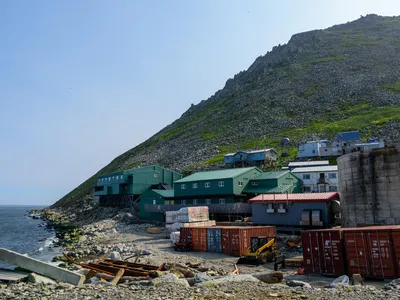
Little Diomede Village, Alaska